

ISS astronauts demo conversion of inedible plant material into edible protein
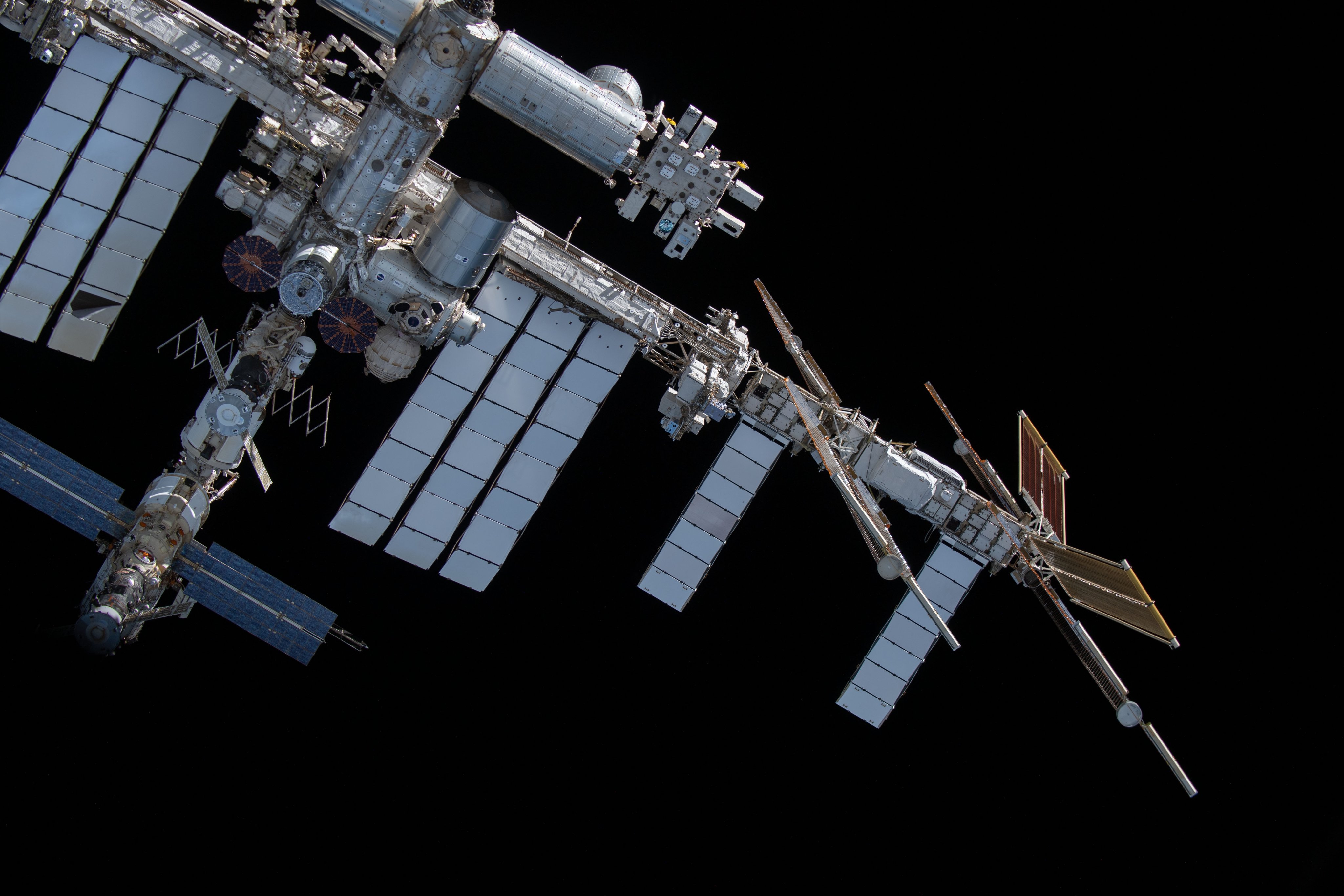
Astronauts aboard the International Space Station (ISS) conduct scientific research and test cutting-edge technologies every day. Last week, the crew members conducted scientific investigations that included demonstrating the conversion of inedible plant material into an edible protein and evaluating methods for producing fiber optic cable in space, among others.
According to NASA, the Protein Manufacturing project demonstrates technology for converting inedible plant materials and other waste into high-protein, edible fungal biomats in the space environment. The biomats incubate in the station's temperature-controlled Space Automated Bioproduct Laboratory (SABL).
Developed by Bioserve, SABL is a dual-function incubator/freezer designed to support space life science experiments on the space station by providing temperature control between -5°C and +43°C for biological test samples and related materials.
"A system for producing fresh food in space is a major goal for future missions, as it would reduce the amount of prepackaged food that must be taken along, lowering launch mass and storage needs," the agency said in a statement.
This technology, according to NASA, is relatively simple, requires energy only for temperature control, and needs little water. The resulting biomats are fast-growing, nutritious, and easy to harvest. This method has potential applications on Earth as well, as it uses a fraction of the land, water, and energy required by traditional agriculture. Crew members installed the Plate Habitat (PHAB) containing the fungal bioreactors during the week.
.@Space_Station crew evaluated fiber optic production in space, demonstrated conversion of inedible plant material into an edible protein and more during the week of July 25. https://t.co/9ZudpDgJqw pic.twitter.com/hIGH7QqK3P
— ISS Research (@ISS_Research) August 1, 2022
During the week of July 25, the crew members aboard the orbiting lab set up hardware for the Space Fibers-3 investigation, which evaluates methods for producing fiber optic cable in space.
The crew also conducted runs of the Genes in Space-9 experiment during the week. Genes in Space-9 evaluates low-cost cell-free technology and two biological sensors with potential application in medical diagnostics and therapeutics.


 Google News