

NASA expands Near Space Network with four new global antennas
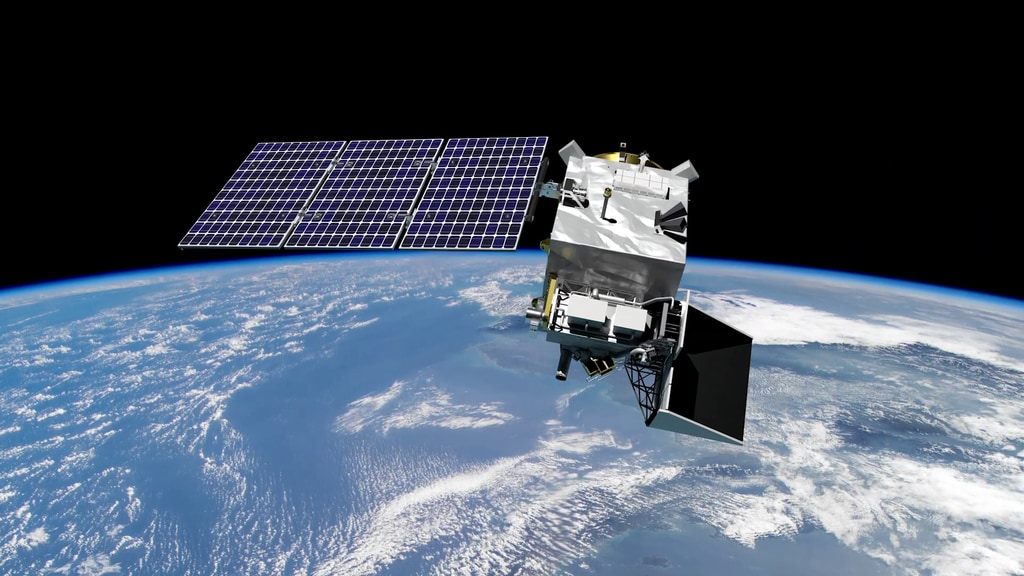
NASA has integrated four new global antennas into its Near Space Network which enables the transmission of science and exploration data to and from space.
These global antennas in Fairbanks, Alaska; Wallops Island, Virginia; Punta Arenas, Chile; and Svalbard, Norway went online to provide present and future missions with S-, X-, and Ka-band communications capabilities.
The antennas will support near-Earth and deep space missions that capture and send back immense amounts of data for processing and discovery. They also will have new networking capabilities, benefitting multiple missions such as the upcoming NASA-Indian Space Research Organization Synthetic Aperture Radar (NISAR) satellite to study hazards and global environmental change, and the Plankton, Aerosol, Clouds, ocean Ecosystem (PACE) mission to better understand how the ocean and atmosphere exchange carbon dioxide.
"This upgrade is bringing unprecedented flexibility to the Near Space Network and will enhance direct-to-Earth communications - the process by which a satellite takes a picture and then sends the image over radio waves to an antenna on Earth. This data is then processed and sent to scientists," NASA said in a statement.
"With four new antennas around the globe, the Near Space Network is advancing its capabilities to support science and exploration missions that use enhanced instrumentation. Now, missions using the network will be able to send back terabytes of data for processing and discovery," it added.
Our network just unveiled four new antennas to help @NASAEarth missions studying the ocean, climate, and more! These global antennas will allow advanced science instruments to send back more data - meaning more discoveries. 📡 🌎 🌊 Learn more: https://t.co/Ryl4aKL4t7 pic.twitter.com/226Ox78xTz
— NASA's Near Space Network (@NearSpaceNet) December 26, 2022
NASA's Near Space Network enables spacecraft exploring the solar system and Earth to send back essential science data for researchers and scientists to investigate and make profound discoveries. It provides missions with communications services through a blend of government-owned and commercial assets.


 Google News