

Japan's HAKUTO-R Mission 1 lunar lander becomes farthest commercial operating spacecraft to travel into deep space
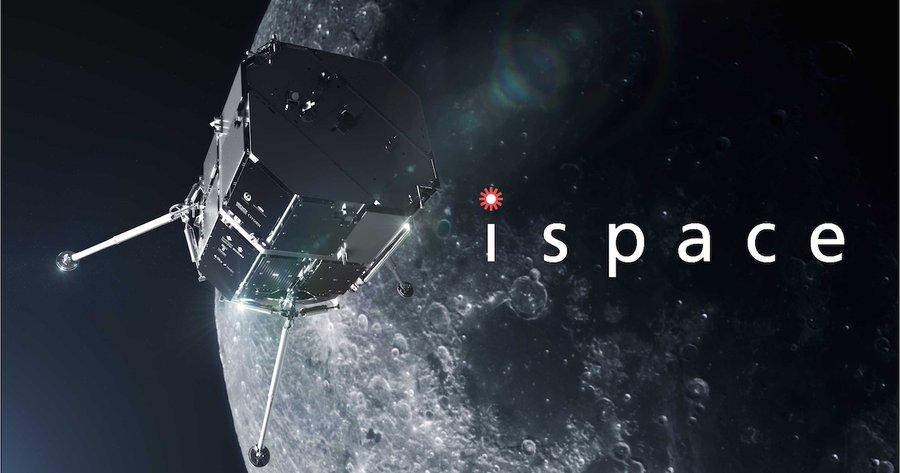
Japanese space exploration company, ispace, announced Tuesday that its HAKUTO-R Mission 1 lunar lander has entered the second phase of its mission. So far, the lander has travelled approximately 1.376 million kilometres into deep space, becoming the farthest commercially operating spacecraft to travel into space.
HAKUTO-R Mission 1 lunar lander was launched on December 11, 2022, on a SpaceX Falcon 9 rocket from Cape Canaveral, Florida. The lander is now on a trajectory to the Moon and is expected to land on the lunar surface at the end of April 2023.
The mission team is hopeful to complete all planned deep space orbital manoeuvres before the first Lunar Orbital Insertion occurs around mid-March 2023, followed by a Lunar Orbital Insertion manoeuvre to occur around late March 2023, which will be the mission's 6th and 7th milestones, respectively.
For the unversed, ispace has set 10 milestones between HAKUTO-R Mission 1's launch and landing. Recognizing the possibility of an anomaly during the mission, the results will be weighed and evaluated against the criteria and incorporated into future missions - Mission 2 and Mission 3 - which are already in development.
We are pleased to announce that our #HAKUTO_R Mission 1 lander has entered the second phase of its mission! The lander is now on a trajectory to the Moon with a scheduled landing for the end of April 2023. Read here for more: https://t.co/gs5xGinwVI#ispace #lunarquest pic.twitter.com/nc1Ortg4LO
— ispace (@ispace_inc) February 28, 2023
On Tuesday, Feb. 28, ispace also shared updates on the progress of its Mission 2 and Mission 3, planned for launch in 2024 and 2025, respectively.
"These two missions, which will contribute to NASA's Artemis Program, will further improve the maturity of ispace's technology and business model. Development of the landers and customer payload acquisition for Mission 2, planned for 2024, and Mission 3, planned for 2025, are already in progress," ispace said in a statement.


 Google News