

Science News Roundup: Virgin Galactic to start commercial flight in late June, shares rise; How to build a giant? Sauropod dinosaurs did it 36 different ways and more
Scientists on Monday unveiled observations by the James Webb Space Telescope showing new details about such features around a luminous star called Fomalhaut in our own neighborhood of the Milky Way galaxy.
Following is a summary of current science news briefs.
Virgin Galactic to start commercial flight in late June, shares rise
Space-tourism company Virgin Galactic Holdings said on Monday that a four-member test flight will take place in May and that it aims to launch its first commercial flight in late June.
Shares jumped 4% after the company said the May mission would be the final test of the spaceflight system and astronaut experience before it opens up for commercial services.
How to build a giant? Sauropod dinosaurs did it 36 different ways
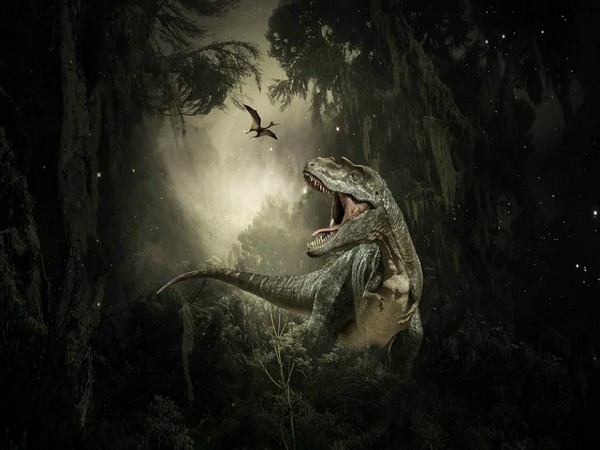
Sauropods, those familiar plant-eating dinosaurs with long necks, long tails and four pillar-like legs, were the biggest land animals in Earth's history, reaching 100-120 feet (30-36 meters) long and weighing as much as a tractor-trailer. A new study has calculated for the first time the number of different sauropod lineages that achieved whopping proportions - 36 of them in a span of about 100 million years bridging the Jurassic and Cretaceous periods. There was no one-size-fits-all evolutionary strategy to become immense, with these lineages distinct from one another despite sharing a general body plan.
Webb telescope spots three debris belts around luminous star Fomalhaut
There has been plenty of excitement in recent decades about planets detected orbiting various stars beyond our solar system. But planets provide an incomplete picture of the complex framework that exists around stars, leaving out components like the belts of rocky and icy debris orbiting our sun. Scientists on Monday unveiled observations by the James Webb Space Telescope showing new details about such features around a luminous star called Fomalhaut in our own neighborhood of the Milky Way galaxy. These observations of three concentric dusty rings of debris orbiting Fomalhaut provide the fullest view to date of such structures outside our solar system.
Spanish scientists seek to crack mystery of Canaries skeleton cave
Archaeologists on Spain's Gran Canaria island are puzzled: who were the six young men whose skeletons were found face-down, hands tied and covered with stones in a cliff-side cave? Evidence at the Caleta de Arriba site points to a violent death centuries ago which could pre-date the 15th century Spanish conquest of the archipelago off northwest Africa.


 Google News