

Science News Roundup: Webb telescope captures 'stunning' images of 19 spiral galaxies; Bones from German cave rewrite early history of Homo sapiens in Europe
Until now, the oldest Homo sapiens remains from northern central and northwestern Europe were about 40,000 years old. Webb telescope captures 'stunning' images of 19 spiral galaxies A batch of newly released images captured by the James Webb Space Telescope show in remarkable detail 19 spiral galaxies residing relatively near our Milky Way, offering new clues on star formation as well as galactic structure and evolution.
Following is a summary of current science news briefs.
Bones from German cave rewrite early history of Homo sapiens in Europe
Bone fragments unearthed in a cave in central Germany show that our species ventured into Europe's cold higher latitudes more than 45,000 years ago - much earlier than previously known - in a finding that rewrites the early history of Homo sapiens on a continent still inhabited then by our cousins the Neanderthals. Scientists said on Wednesday they identified through ancient DNA 13 Homo sapiens skeletal remains in Ilsenhöhle cave, situated below a medieval hilltop castle in the German town of Ranis. The bones were determined to be up to 47,500 years old. Until now, the oldest Homo sapiens remains from northern central and northwestern Europe were about 40,000 years old.
Webb telescope captures 'stunning' images of 19 spiral galaxies
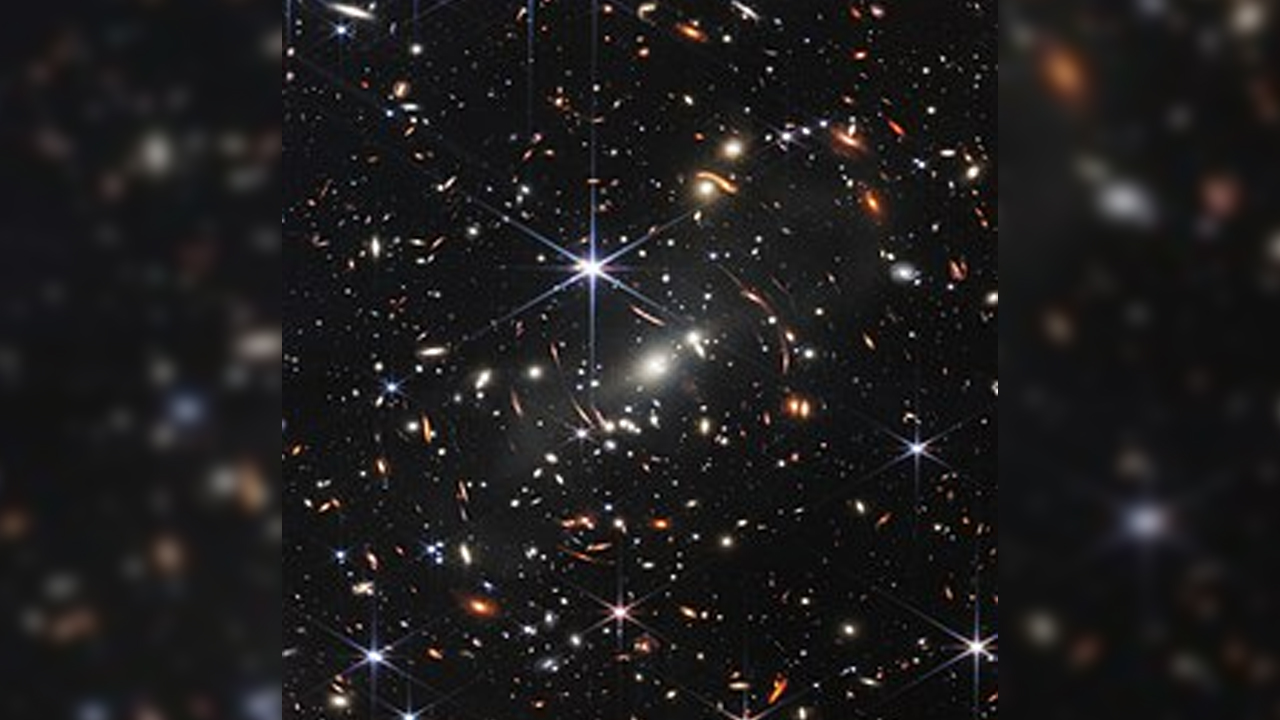
A batch of newly released images captured by the James Webb Space Telescope show in remarkable detail 19 spiral galaxies residing relatively near our Milky Way, offering new clues on star formation as well as galactic structure and evolution. The images were made public on Monday by a team of scientists involved in a project called Physics at High Angular resolution in Nearby GalaxieS (PHANGS) that operates across several major astronomical observatories.


 Google News