

Science News Roundup: SpaceX says weather forces cancellation of launch of U.S. satellite; Astronauts return safely to Earth from Space Station
Following is a summary of current science news briefs.
Storms halt SpaceX's first U.S. national security space mission
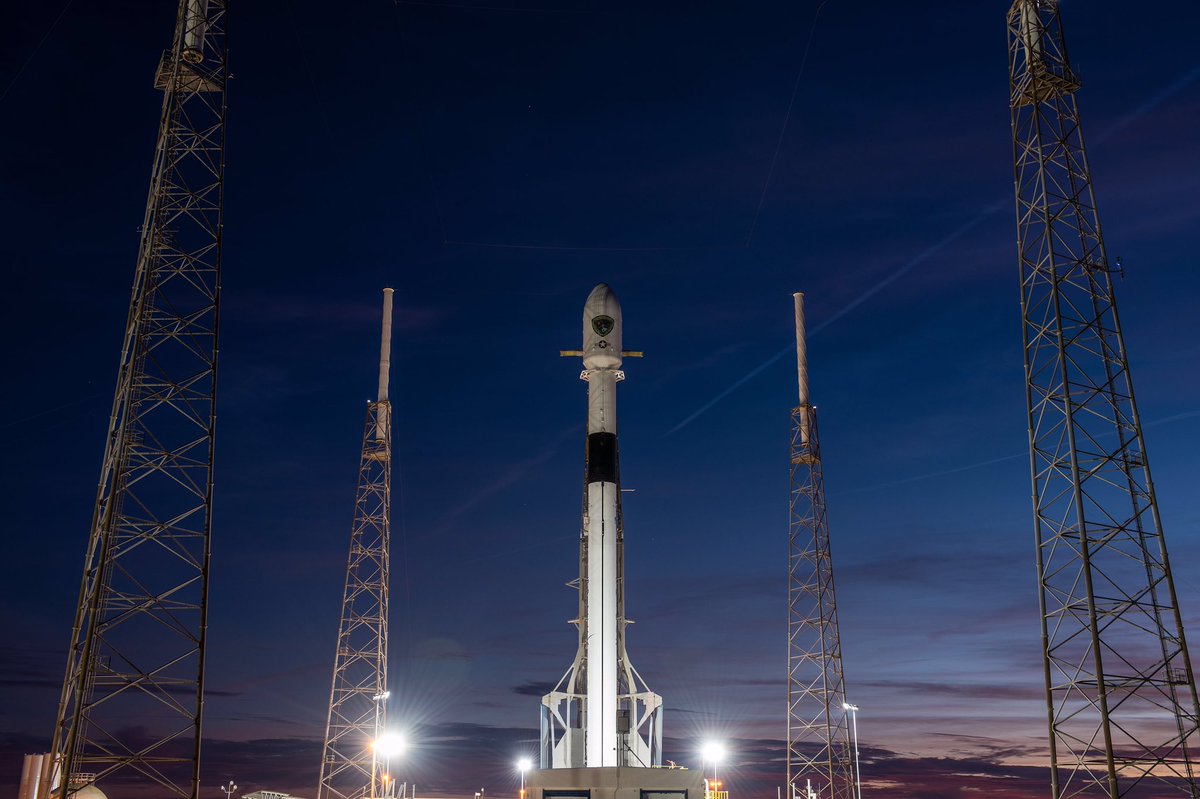
Thunderstorms forced Elon Musk's SpaceX to postpone Thursday's launch of a navigation satellite for the U.S. military, which was poised to be the rocket company's first national security space mission for the United States. SpaceX said its Falcon 9 rocket and payload, a roughly $500 million GPS satellite built by Lockheed Martin Corp, were "in good health" and that it was now targeting a Saturday morning launch from Florida's Cape Canaveral.
Big dinosaur predator from Italy was given a burial at sea
Scientists have unearthed fossils of a large meat-eating dinosaur that stalked northern Italy 198 million years ago that was remarkable both in life and in death. The researchers said on Wednesday Saltriovenator zanellai was about 25 feet long (7.5 meters) and weighed at least a ton, meaning that when it lived early in the Jurassic Period it was the largest-known carnivorous dinosaur that had ever existed.
SpaceX says weather forces cancellation of launch of U.S. satellite
SpaceX said on Thursday that poor weather conditions forced the cancellation of a scheduled morning launch of its Falcon 9 rocket that was to carry a global positioning system (GPS) satellite into space for the U.S. Air Force. The company said it will announce a new launch date.
Astronauts return safely to Earth from Space Station
Three members of the International Space Station's crew returned safely to Earth on Thursday, landing in Kazakhstan on a Russian Soyuz craft, NASA reported. It was the first return from the space station since October when U.S. astronaut Nick Hague and Russian cosmonaut Alexey Ovchinin landed unharmed on the Kazakh steppe after their rocket bound for the station failed two minutes after liftoff.
(With inputs from Reuters)


 Google News