

Towards a Plastic-Free Future: Philippines' Ambitious 2040 Roadmap
The Philippines faces a severe plastic waste problem, with extensive use of single-use plastics leading to significant environmental pollution. In response, the World Bank has developed a Roadmap to achieve Zero Plastic Waste Pollution by 2040, involving short-term, medium-term, and long-term actions. This comprehensive plan requires collaboration among government agencies, the private sector, informal workers, NGOs, and consumers to ensure a sustainable and cleaner future.
 CoE-EDP, VisionRI
The Plastic Pollution Crisis
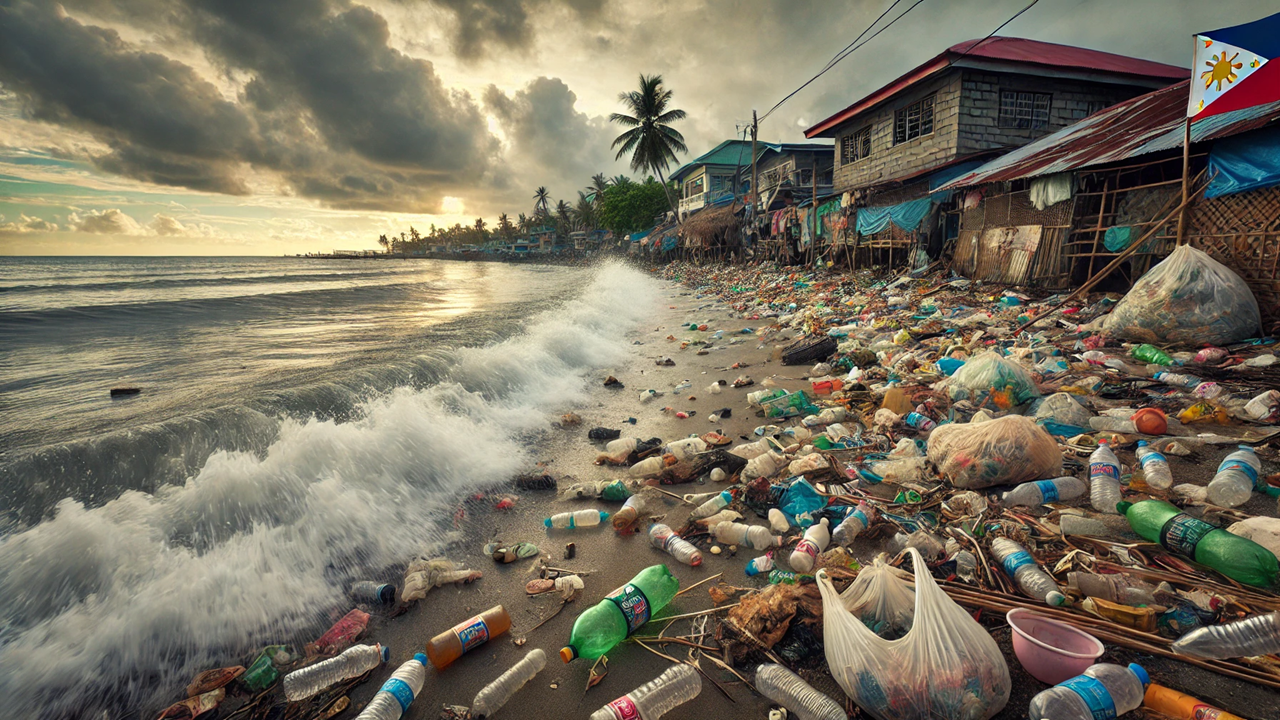
Plastic pollution is an escalating issue in Southeast Asia, particularly in the Philippines. The situation has become critical with the extensive use of single-use plastics (SUPs) driven by economic growth and consumer convenience. In 2019, Filipinos used more than 163 million plastic sachets, 48 million shopping bags, and 45 million thin-film bags every single day. The nation generates approximately 1.7 million metric tons of post-consumer plastic waste annually. Unfortunately, 33% of this ends up in landfills and dumpsites, 35% is discarded on open land, and a significant amount leaks into waterways and the ocean.
Government Measures: A Step Forward
Recognizing the urgency, the Philippine government has implemented several measures to address plastic waste. Key laws addressing this issue are the Ecological Solid Waste Management Act of 2000, the Philippine Development Plan 2023–2028, and the Extended Producer Responsibility Act of 2022. Additionally, local ordinances regulating plastic use have been enacted in at least 489 of the country's 1,634 local government units (LGUs). Additionally, the National Plan of Action for the Prevention, Reduction, and Management of Marine Litter (NPOA-ML) aims to achieve zero waste in Philippine waters by 2040. Despite these efforts, the battle against plastic pollution is far from over.
The Roadmap to Zero Plastic Waste by 2040
In response to a request from the Philippine government, the World Bank developed a comprehensive Roadmap to achieve Zero Plastic Waste Pollution by 2040. This Roadmap focuses on tackling downstream problems within the plastic value chain, prioritizing urban areas where waste generation is highest and solid waste management systems are more developed. It outlines three strategic pathways with overlapping and time-bound target outcomes to progressively reduce waste leakage, increase recycling rates, and improve plastic product design.
The Roadmap identifies significant gaps and barriers in plastic waste management. Policy and institutional barriers highlight the need for policies promoting eco-designed alternatives and improved enforcement of collection and take-back requirements. Analytical and infrastructure barriers indicate the lack of adequate facilities for segregated waste collection and treatment, as well as insufficient recycling infrastructure. Financial and funding barriers emphasize the need for effective cost-recovery mechanisms and investments in recycling technologies. Lastly, data and information barriers point to the absence of systematic data collection on waste generation, collection, treatment, and disposal.
Collaboration for a Sustainable Future
To address these barriers, the Roadmap proposes a phased, evidence-based, and holistic approach to tackle SUP pollution along the plastic value chain from production to disposal. Short-term actions (2023–2028) will focus on closing plastic leakage pathways by improving waste collection, segregation, and disposal. Medium-term actions (2023–2034) aim to enable plastic recycling through investments in recycling technologies, training programs, and incentives. Long-term actions (2023–2040) are designed to manage plastic demand and promote circular product designs through public education, legislation, and the promotion of alternatives to plastics.
The successful implementation of the Roadmap requires collaboration among national and local government agencies, the private sector, informal workers, NGOs, and consumers. The National Solid Waste Management Commission (NSWMC) will lead the effort, supported by various government agencies and LGUs. Regular monitoring, evaluation, and external evaluations at key milestones will ensure the Roadmap's effective implementation and allow for necessary adjustments.
While the task of managing plastic waste and reducing non-recyclable SUPs in the Philippines is daunting, it is achievable. The Roadmap provides a strategic plan with clear goals, actions, milestones, and outcomes, requiring the collaboration of all stakeholders to achieve a future free from plastic waste pollution by 2040.
- FIRST PUBLISHED IN:
- Devdiscourse


 Google News