

Unseen Threat: Are Microplastics Harming Us?
Microplastics, tiny fragments of plastic found in our food, water, and even bodies, may pose health risks. Although evidence is limited, researchers are concerned about potential impacts on human organs. Experts suggest precautionary measures to reduce exposure, but much is still unknown about the effects of these pervasive particles.
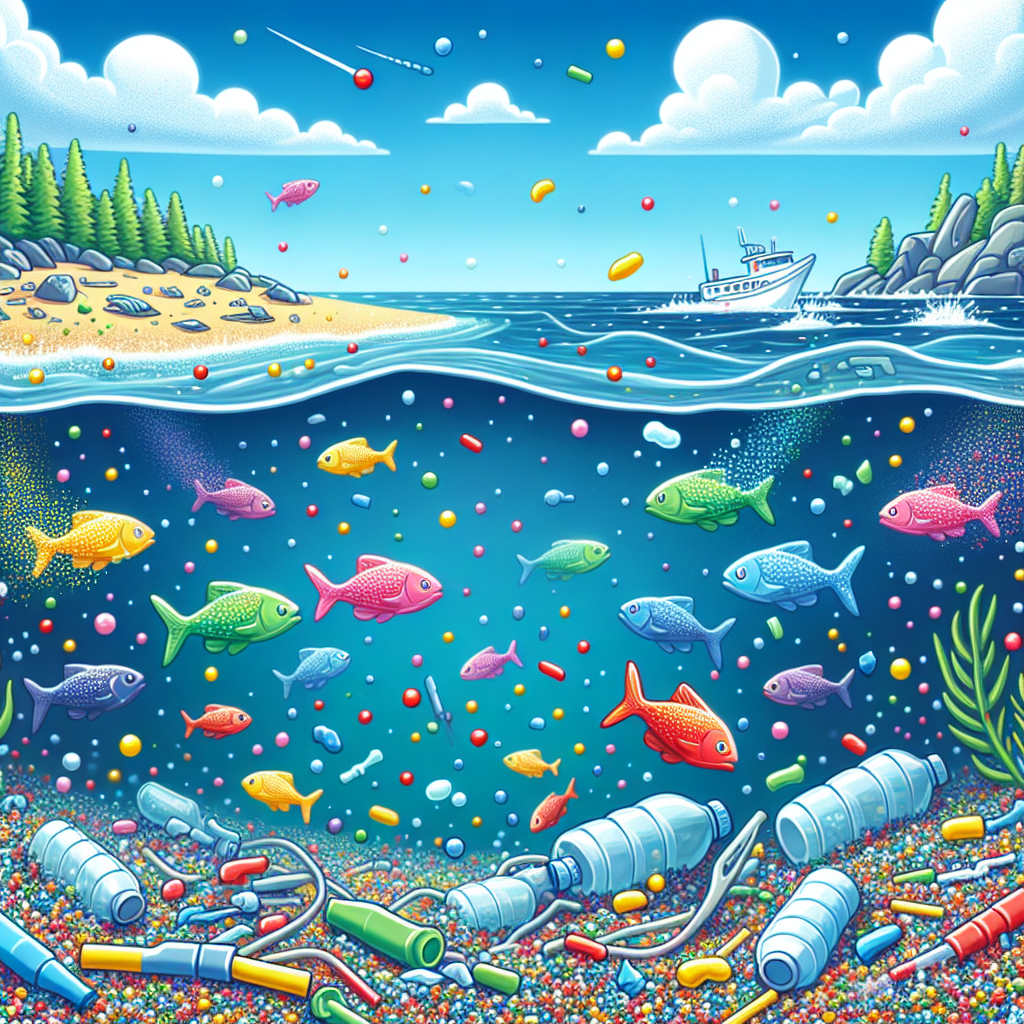
Microplastics, those microscopic fragments of plastic, have pervaded nearly every aspect of modern life. Found in oceans and air, these tiny particles have recently appeared in human food, water, and even body tissues such as the liver and kidneys.
While the full extent of their harm remains uncertain, limited evidence suggests potential health risks. Research indicates that microplastics may contribute to inflammation and other bodily changes that could increase the risk of heart attack and stroke. However, definitive evidence linking them to significant public health impacts is still lacking.
Experts recommend simple measures to reduce exposure, such as using reusable containers and avoiding microwaving food in plastic trays. Despite these efforts, much remains unknown, warranting further investigation into this emerging health concern.


 Google News