

Leaders Urge Stronger Climate Commitments Ahead of COP30 as Global Warming Surges
NDCs, central to the Paris Agreement, represent each country's climate goals, aiming to limit global temperature rise to 1.5°C above pre-industrial levels.
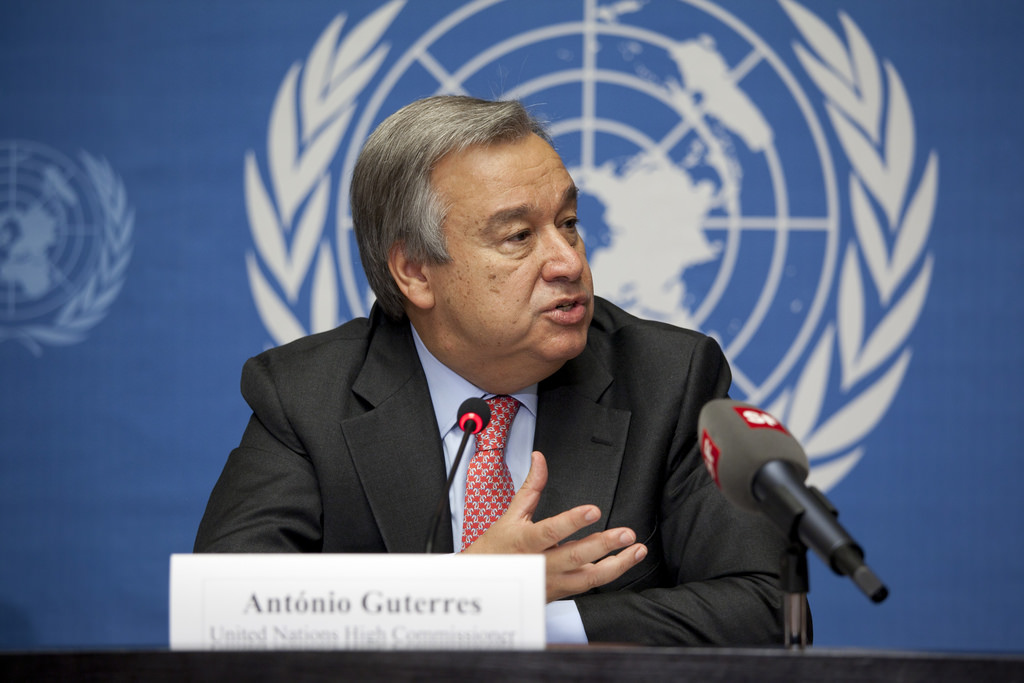
On 23 April 2025, a Virtual Climate Ambition Summit convened global leaders from across continents to intensify momentum toward ambitious climate action. Hosted jointly by UN Secretary-General António Guterres and Brazilian President Luiz Inácio Lula da Silva, the meeting brought together 17 heads of state and government representing major economies, key regional blocs, and vulnerable nations.
Leaders from the African Union (AU), European Union (EU), Association of Southeast Asian Nations (ASEAN), Alliance of Small Island States (AOSIS), and Caribbean Community (CARICOM) joined counterparts from major countries, including China, for a two-hour closed-door session. The goal: to catalyze the submission of stronger Nationally Determined Contributions (NDCs) ahead of the pivotal UN Climate Change Conference (COP30), scheduled for November 2025 in Belém, Brazil.
Push for New National Climate Action Plans
Despite urgent calls, only around 10% of the 196 UNFCCC signatories have submitted updated NDCs. Although the original deadline was February 2025, it was extended to September to allow more nations to finalize their plans.
NDCs, central to the Paris Agreement, represent each country's climate goals, aiming to limit global temperature rise to 1.5°C above pre-industrial levels.
President Lula emphasized the need for concrete actions:
"The planet is tired of unfulfilled promises. This year, all countries must present new NDCs with targets to reduce carbon emissions by 2035," he declared.
He also underscored that multilateralism and international solidarity are foundational to the global climate response.
UN Secretary-General Guterres urged leaders to submit the "strongest possible" action plans:
"We must accelerate the transition to clean energy and honour our climate finance pledges. The current path still leads us to catastrophic warming," he warned.
China, Multilateralism, and Climate Leadership
In a strong intervention, President Xi Jinping reaffirmed China's commitment to:
-
Multilateralism and international cooperation,
-
A just transition to greener economies,
-
Implementation of systematic policies for tangible climate outcomes.
"Instead of talking the talk, we must walk the walk," said Xi, promising that China would announce its updated NDCs before COP30.
WMO's Stark Warning: A 1.5°C Threshold Already Breached?
Adding to the urgency, the World Meteorological Organization (WMO) released a sobering update:
-
2024 was likely the first calendar year with an average global temperature above 1.5°C compared to the 1850–1900 pre-industrial baseline.
-
The mean near-surface temperature reached 1.55 ± 0.13°C above pre-industrial levels — the warmest year in 175 years of observation.
Long-term global warming estimates now stand between 1.34°C and 1.41°C based on various methodologies. An international team of experts continues to refine these figures to ensure alignment with IPCC benchmarks.
Regardless of method, the message remains clear:
Every fraction of a degree of warming dramatically escalates societal risks and economic costs.
Alarming Climate Trends Highlight Urgent Need for Action
The WMO outlined a series of critical climate indicators:
-
Carbon dioxide levels: Highest in 800,000 years.
-
Warmest years: Each of the last ten years individually set records.
-
Ocean heat content: Each of the past eight years established new highs.
-
Arctic and Antarctic sea ice: Record-low extents observed repeatedly.
-
Glacier mass loss: The greatest three-year decline ever recorded.
-
Sea level rise: The rate has doubled since satellite measurements began.
In March 2025, Arctic sea ice reached its lowest maximum extent in the 47-year satellite record, while the Antarctic recorded its second-lowest minimum post-summer ice extent. Globally, March 2025 was the second warmest March on record, trailing only March 2024.
Looking Ahead to COP30
The WMO plans to deliver a comprehensive State of the Global Climate 2025 Update at COP30 to guide policymaking and negotiations.
With the scientific community sounding the alarm and global leaders renewing pledges, the road to COP30 is critical. Nations must turn promises into action, ensure robust and verifiable NDCs, and collectively bend the warming curve closer to the Paris Agreement's goals.
As President Lula aptly summarized:
"There is no time to waste. The moment to act is now — not tomorrow."
ALSO READ
-
Better Heat Planning Can Protect Crowds and Ease Pressure on Hospitals, WHO Says
-
Hotter Years, More Cavities? Understanding Link Between Climate and Dental Health
-
Mozambique Shapes New Climate Strategy to Protect Communities From Extreme Weather
-
Climate Change Is Deepening the Crisis for Millions Living Without a Nationality Today
-
Tunisia’s Water Crisis Puts Jobs and Growth at Risk as Economic Recovery Loses Speed


 Google News