

Preserving the Blue Lungs of the Adriatic: Protecting Posidonia Oceanica
Scientists on Croatia's Dugi Otok island are urging action to protect the crucial seagrass meadows of Posidonia oceanica. This Mediterranean tapeweed plays a vital role in marine ecosystems by sequestering carbon and supporting marine life. Immediate steps and regulations are required to curb harmful human activities.
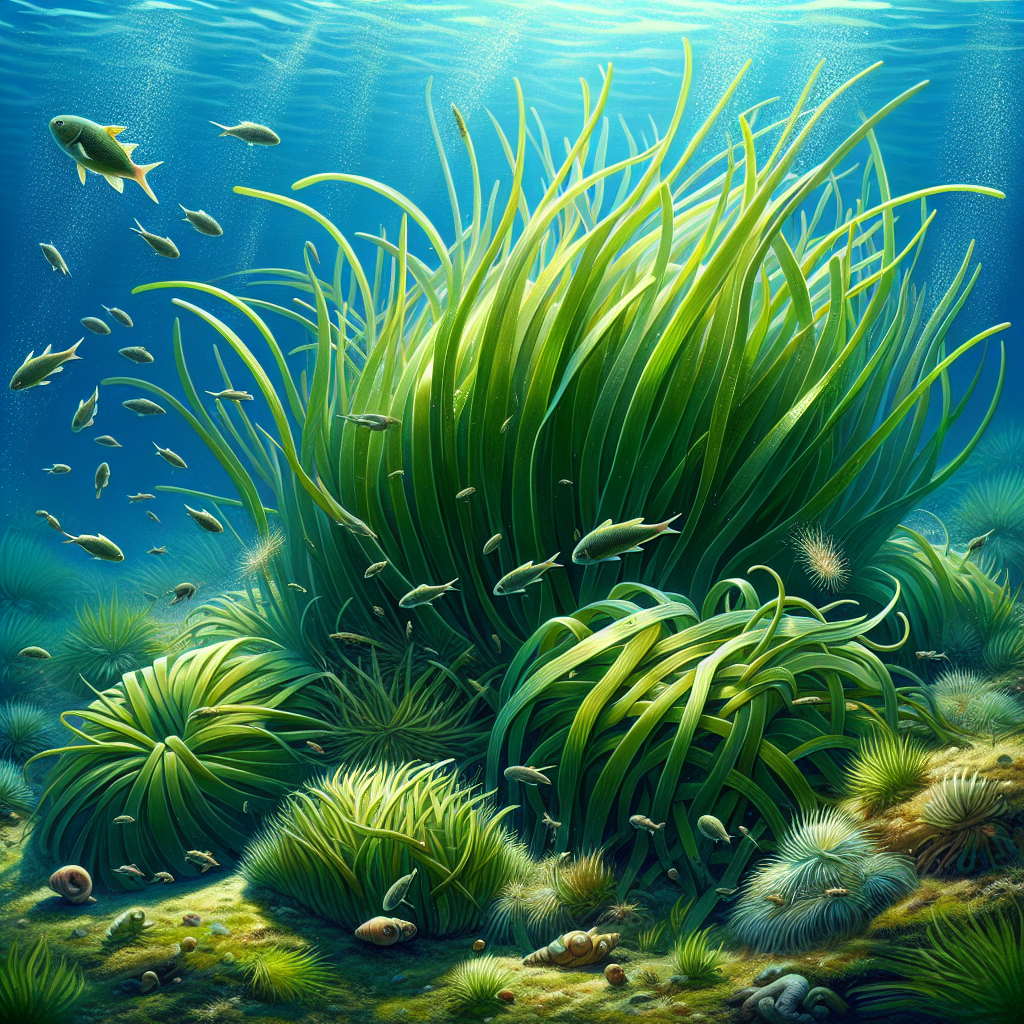
At Croatia’s Dugi Otok island in the Adriatic Sea, scientists are taking a stand to draw attention to the environmental importance of the seagrass Posidonia oceanica. This vital biodiversity hotspot, known as Mediterranean tapeweed, supports marine life, prevents coastal erosion, purifies water, and combats global warming.
Research shows Posidonia meadows can absorb up to 15 times more carbon dioxide than equivalent areas of the Amazon rainforest annually. However, threats such as tourist anchoring and trawl fishing in the Adriatic Sea pose significant risks to their survival. Immediate interventions are necessary to prevent further devastation.
Dominik Mihaljevic, a biologist at Kornati archipelago national park, highlighted that new anchorages are being installed to protect seagrass. Meanwhile, Matea Spika from Croatia’s Sunce environmental association reported a 30% decline over recent decades due to additional factors like climate change, pollution, and infrastructural developments.


 Google News