

Reviving the Past: Robots and Ancient Mysteries
Latest advancements in technology are aiding archaeological and anthropological research. A new EU-funded robot is helping archaeologists reassemble Pompeii's frescoes, while scientists have identified the mysterious 'Burtele Foot' fossils as belonging to Australopithecus deyiremeda, shedding light on human evolution's complex past.
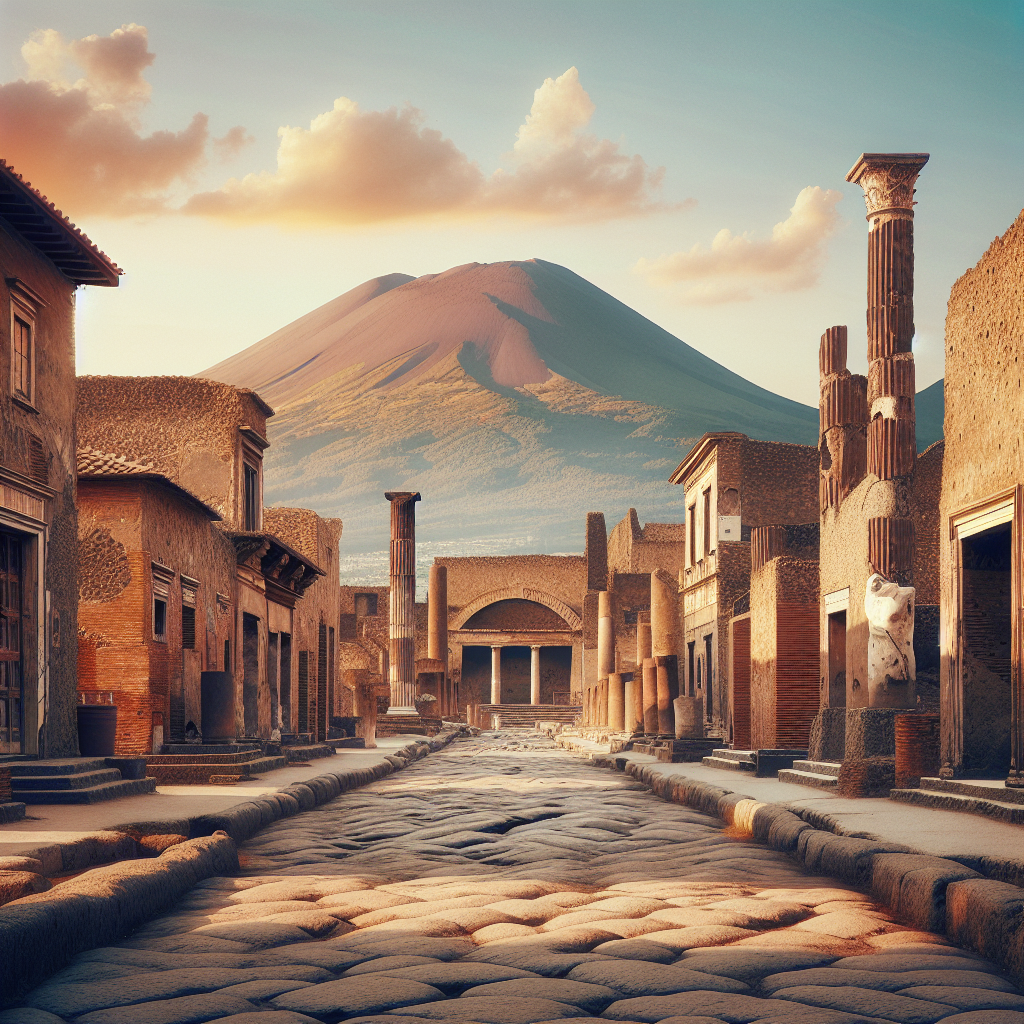
Archaeologists are poised to breathe new life into Pompeii's ancient Roman frescoes with the help of cutting-edge robotics. Funded by the EU's RePAIR project, the technology fuses advanced AI puzzle-solving with robotic precision to tackle the painstaking task of artifact reassembly.
In a separate groundbreaking discovery, scientists have unraveled the enigma of the prehistoric 'Burtele Foot,' fossils unearthed in Ethiopia over a decade ago. Recent findings reveal these eight foot bones belong to Australopithecus deyiremeda, a diminutive human ancestor possessing a blend of human-like and ape-like attributes.
This identification, enhanced by newly found teeth and jawbones, offers deeper insights into a critical yet obscure period of human evolution, where multiple related species coexisted.


 Google News