

Number of dumpsites reaching high unsanitary level, need immediate closure
The livelihoods restoration program, with support from DEEP, started right after this transitional period.
- Country:
- Israel
Today on Global Waste Picker Day, we explore the problem of solid waste management in the Gaza Strip and how it is compounded by poverty, unemployment, and severe restrictions imposed on residents.
With a high unemployment rate in Gaza (53.7 per cent), and every second person in Gaza living below the poverty line, residents of the Gaza Strip also face greater technical, environmental, social, institutional and financial challenges, due in large part to restricted access to goods and services. Frequent border closures cause considerable delays for the entry and servicing of waste management equipment and these delays contribute to a fragmented and poorly managed waste collection and disposal system - exacerbating public health and environmental concerns.
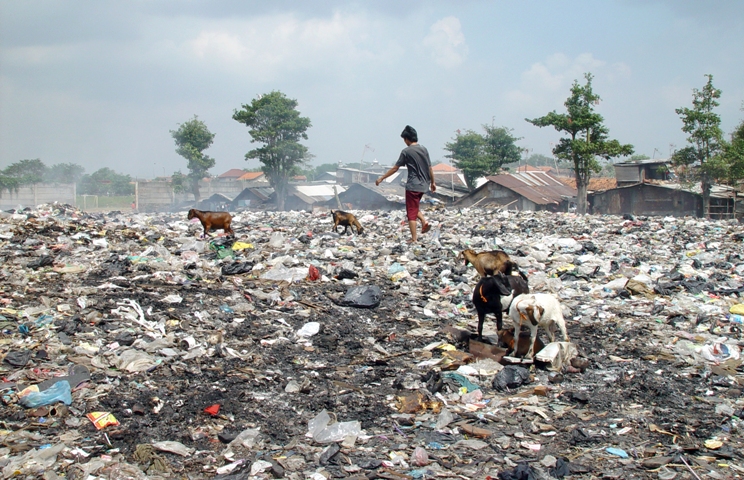
In addition, the generally impoverished economic circumstances of Gaza's population have contributed to their inability to pay for basic collection and disposal services. Meanwhile, a number of dumpsites across the strip are reaching too high saturation and unsanitary level that necessitate immediate closure. Al Fokhari dumpsite is one of these dumpsites.
At the Al Fokhari dumpsite, a group of waste pickers used to recover recyclables to make a living. And this group was among the poorest, most stigmatized, and most vulnerable group of the population. With support from the World Bank, Agence Francaise de Developpement (AFD) and the United Nations for Development Programme (UNDP) Deprived Families Economic Empowerment Program (DEEP), the Join Service Council of Khan Yonis, Rafah and Middle Area and (JSC-KRM) implemented the livelihoods restoration program of the waste pickers by taking a gradual bottom-up approach that guided the waste pickers and their families to come up with alternative forms of livelihoods after leaving the dumpsite.
The program started by offering temporary jobs related to waste management in the municipalities for around a year and this move offered a transitional yet transformational period for the waste pickers - gradually helping them move out of the marginalization circle and integrating them into the society around them. The educational, as well as the health care offered during this period, helped in building confidence and self-esteem among the group of the waste pickers and their families.
The livelihoods restoration program, with support from DEEP, started right after this transitional period. It largely capitalized on the different existing potentials that the waste pickers and their families have. Intense capacity building, training, and preparatory activities were offered to mobilize the former waste pickers and put them on track to run the type of projects that each chose after running the needed feasibility and market assessments.
(With Inputs from World Bank Blog)


 Google News