

The Future of Digital Identity
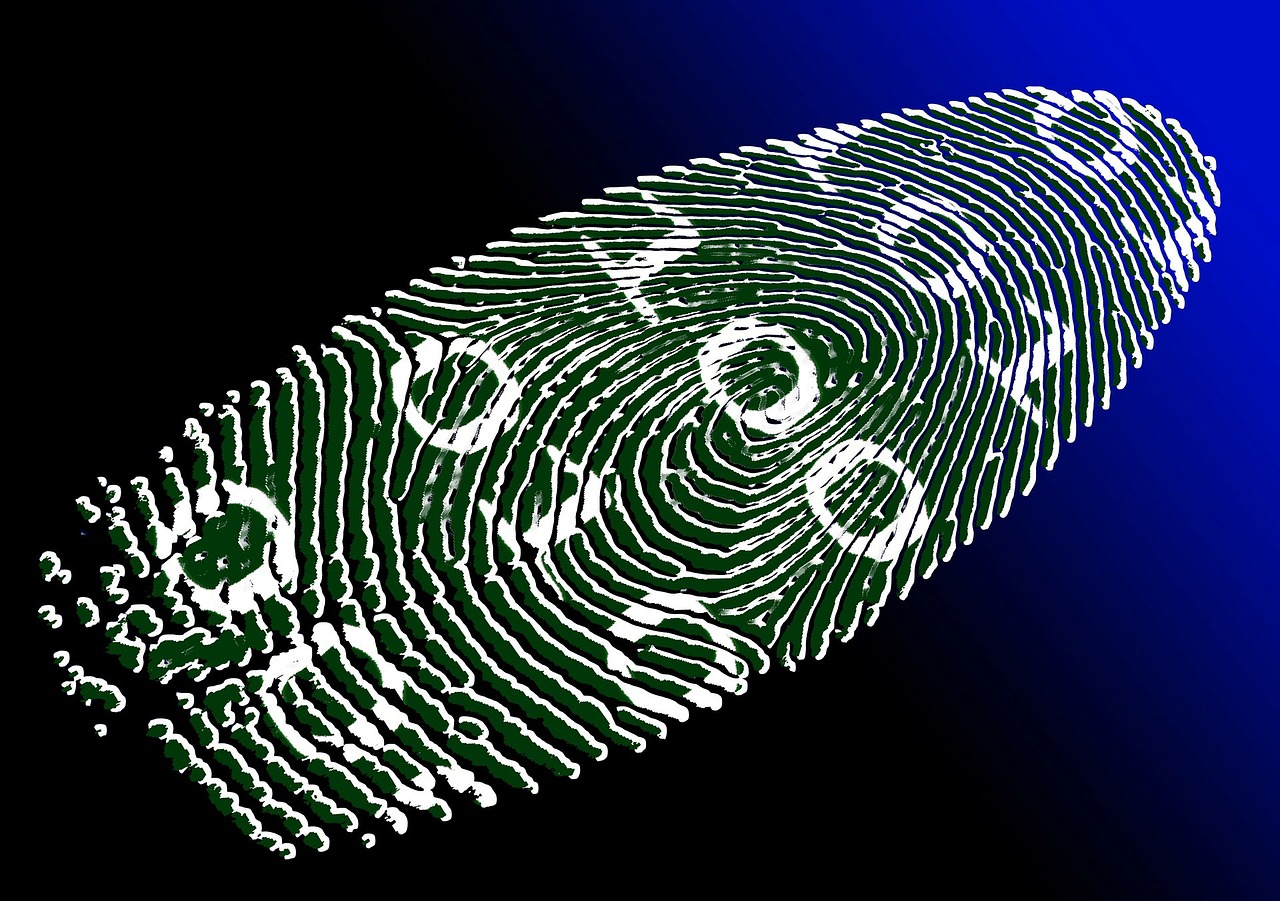
Your digital identity is an extension of you. It is the digital imprint you create as you live your life, and it is the digital shell through which you access a growing range of services even as the massive amount of data is mined by companies trying to profit from it. But what is digital identity? And what is the future of digital identity?
What Is Digital Identity?
Your digital identity is more than the collection of pictures, social media posts and other online records about you, though that is a large part of it. It is the de facto reputation of most people since it is the first thing would-be employers and dates would see before they meet with you. Furthermore, it includes things like your purchase history, search history and app data. This is how companies may know more about you than people around you do, though information like your cell phone usage and geotagging may be used by both companies to present location-based ads and government agencies concerned about your activities. (This category now includes health tracking apps looking for potential exposures to the coronavirus as well as law enforcement tracking rioters.) And your digital identity also includes your personally identifiable information.
What Is Personally Identifiable Information?
Personally, identifiable information or PII is the information used to confirm your identity and defines it in government databases. This list includes your date of birth, driver's license number, Social Security Number or SSN, bank account number, login ID and passwords. If someone has this information, they historically had access to all of your accounts. The category of personally identifiable information now includes biometric data like fingerprints, retina prints and 3D face maps.
How Do You Protect Your Digital Identity?
It is increasingly difficult to live off-the-grid when you have to use an app to order lunch and pay for it electronically. But there are a number of steps you can take to protect your digital identity.
- Don't download apps unless you plan on regularly using them.
- Vet apps for data security and turn off data collection by them when you install them.
- Turn off location tracking and geotagging.
- Don't use the same username and password across apps.
- Monitor your accounts for suspicious activity.
- Use services that use "know your customer" or KYC verification such as liveness checks rather than accepting a copy of your driver's license as ID.
- Stop using weakly protected public wi-fi networks.
- Stop doing online surveys that ask you very personal questions – you're giving away your PII.
- Use two-factor authentication on accounts rather than just a username and password.
- Respond to account warnings quickly but verify that these are legitimate and not scammers.
- Don't share your accounts, since this gives others access to your personal information.
- Don't use unsecured websites.
- Change your passwords periodically and know the legitimate process for recovering them if you forget it.
- Don't use one email for all of your password reset/authentication requests.
- Tell companies not to share your information with third parties and related vendors, though too many firms disregard this request.
- Encrypt data like emails.
Back up your data to an external drive rather than the cloud.
(Devdiscourse's journalists were not involved in the production of this article. The facts and opinions appearing in the article do not reflect the views of Devdiscourse and Devdiscourse does not claim any responsibility for the same.)


 Google News