

Revolutionizing Energy: The Science Behind Cutting-Edge Technologies
Cutting-edge technologies for energy production and storage, including solar power, wind power, hydroelectric power, advanced batteries, and high-voltage direct current (HVDC) transmission lines, have the potential to revolutionize the way we produce and use energy, with benefits including reduced greenhouse gas emissions, improved air quality, and increased energy security. However, there are also potential challenges, including high upfront costs, infrastructure development, and technological failures.
 Devdiscourse News Desk
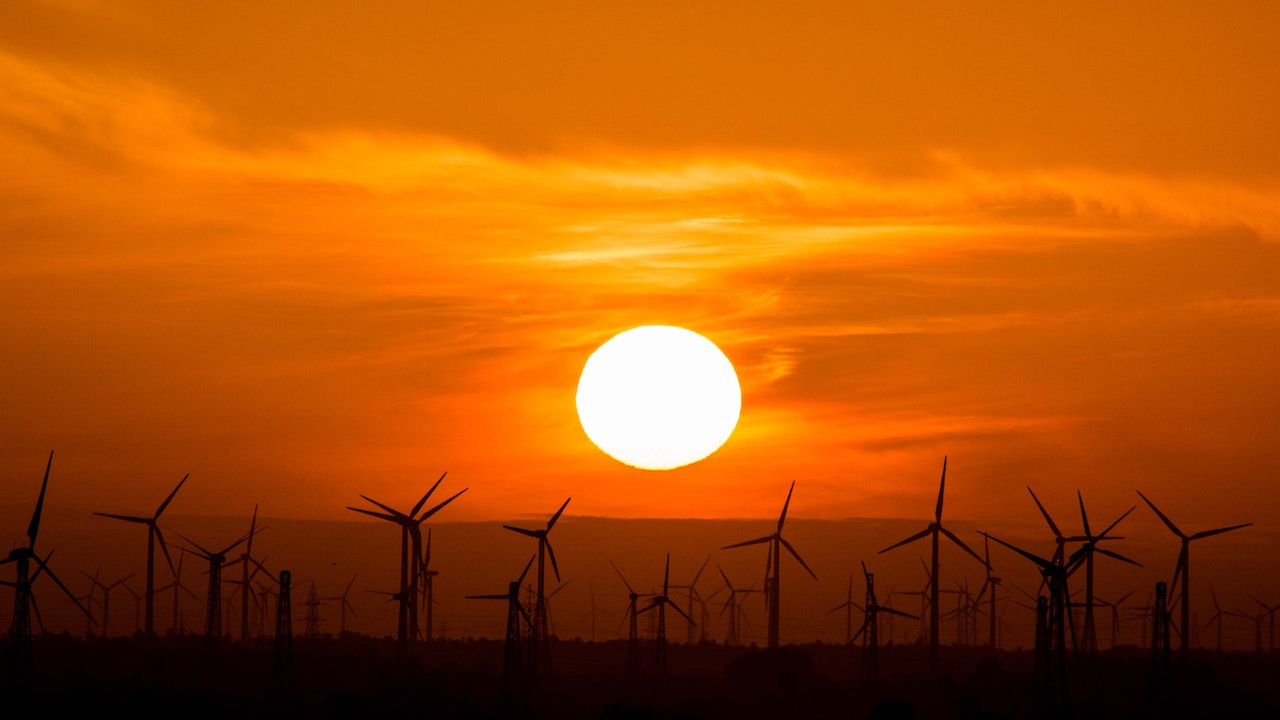
Energy is a critical resource for modern society, powering everything from transportation and communication to healthcare and manufacturing. However, the way we currently produce and consume energy has significant environmental and social impacts, including greenhouse gas emissions, air pollution, and resource depletion. In this blog post, we will explore the science behind some of the most exciting and innovative technologies that are revolutionizing the way we produce and use energy and the potential benefits and challenges of these technologies.
One of the most promising technologies for the production of clean and renewable energy is solar power. Solar cells, or photovoltaics, convert sunlight into electricity by using semiconducting materials to absorb photons of light and release electrons, which can be captured and converted into electricity. Solar cells are highly efficient, with some designs achieving conversion efficiencies of over 40%. In addition, solar power is a clean and renewable energy source, with no greenhouse gas emissions or other pollution during operation.
Another cutting-edge technology for energy production is wind power. Wind turbines use the movement of air to generate electricity, with the rotational motion of the blades driving a generator to produce electricity. Wind power is a clean and renewable energy source, with no greenhouse gas emissions or other pollution during operation. In addition, wind power is highly efficient, with some wind turbines achieving capacity factors (the percentage of maximum possible output) of over 50%.
A third innovative technology for energy production is hydroelectric power. Hydroelectric power is generated by using the movement of water to drive a generator, either through the use of a dam to create a waterfall or through the use of a turbine in a flowing river. Hydroelectric power is a clean and renewable energy source, with no greenhouse gas emissions or other pollution during operation. In addition, hydroelectric power is highly efficient, with some hydroelectric facilities achieving capacity factors of over 90%.
In addition to these technologies for energy production, there are also a number of cutting-edge technologies for energy storage and transmission. For example, advanced batteries, such as lithium-ion batteries, are being used to store excess renewable energy for use when it is needed. In addition, high-voltage direct current (HVDC) transmission lines are being developed to transmit electricity over long distances with minimal loss. These technologies can help to improve the reliability and flexibility of renewable energy systems and enable the integration of renewable energy into the grid.
The potential benefits of these cutting-edge technologies for energy production and storage are significant, including reduced greenhouse gas emissions, improved air quality, and increased energy security. However, there are also potential challenges to consider, including the high upfront costs of deployment, the need for infrastructure development, and the potential for technological failures or malfunctions. In addition, there is a need for proper regulation and oversight to ensure that these technologies are used ethically and responsibly.
Overall, the science behind cutting-edge technologies for energy production and storage is revolutionizing the way we produce and use energy. By harnessing the power of the sun, the wind, and water, and by developing advanced technologies for energy storage and transmission, we have the opportunity to create a more sustainable and secure energy future. While there are potential challenges to consider, the potential benefits of these technologies are significant, and it will be exciting to see how they continue to shape the energy landscape in the coming years.
ALSO READ
-
Türkiye Secures $400m ADB Loan for Resilient Homes and Women-Inclusive SMEs
-
Carbon Capture Could Cut Solar Power Waste and Battery Needs Across ASEAN
-
€300M Financing Deal Gives Czech and Slovak Businesses Room to Grow Greener
-
Bangkok to Unite Development Banks With $23 Trillion for Sustainable Growth Push
-
EIB Backs Reactive Technologies to Cut Outage Risks and Boost Clean Power


 Google News