

Spaceflight Setbacks: India, North Korea, and China Face Challenges
Recent science briefs highlight multiple issues in space efforts. India's Agnikul Cosmos faced a fourth launch cancellation, North Korea's satellite attempt ended in an explosion, and China’s Galactic Energy had a successful mission after a previous failure. Meanwhile, new studies reveal increased volcanic activity on Venus.
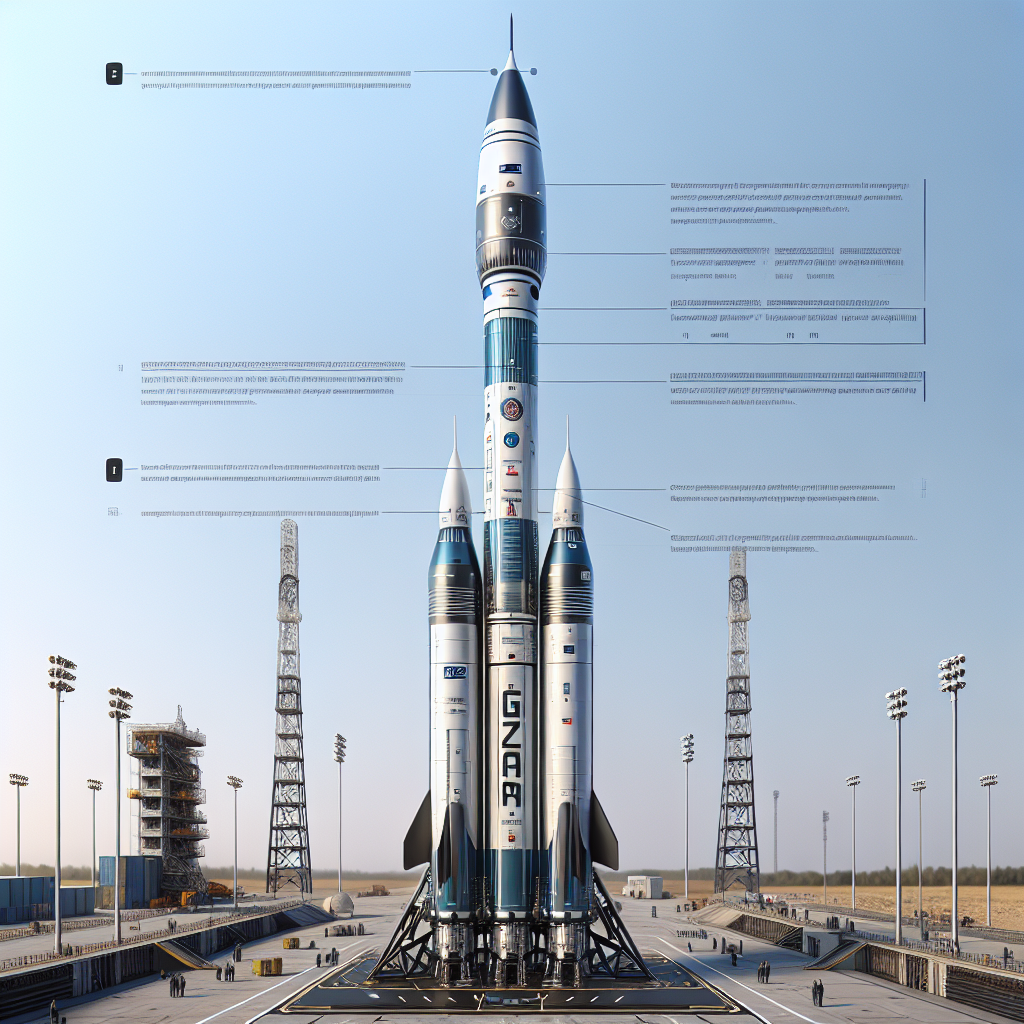
Following is a summary of current science news briefs.
India's space startup calls off maiden rocket launch for a fourth time
India's Agnikul Cosmos called off a test flight of its first rocket on Tuesday seconds before it was due to launch - the fourth such cancellation in the last three months. Launches of India's second privately built rocket, and first using a combination of gas and liquid fuel, had been aborted three times before because of technical issues, including one flight that was cancelled about 90 seconds before lift-off.
North Korea says it tried new fuel in satellite launch that ended in fiery explosion
North Korea's latest satellite launch exploded in a fireball before dropping into the Yellow Sea just minutes after lifting off, but analysts say the attempt showcased new strides in the nuclear-armed country's race for space. North Korea said its latest attempt to launch a military reconnaissance satellite failed in flight on Monday during the rocket's first stage, which featured a new "liquid oxygen and petroleum engine".
China's Galactic Energy launches rocket carrying satellites, state media reports
Chinese company Galactic Energy successfully launched its Ceres-1 rocket carrying satellites into orbit on Wednesday, state media reported, in the latest sign of the growing strength of China's commercial space sector. The Beijing-based company was forced to apologise to its customers last September after a failed launch of a Ceres-1 rocket, which is capable of delivering a 300kg payload to a 500km sun-synchronous orbit.
Venus has more volcanism than previously known, new analysis finds
Venus appears to be more volcanically active than previously known, according to scientists whose new analysis of decades-old radar images has spotted evidence of eruptions at two additional sites on the surface of Earth's inhospitable planetary neighbor. Radar images obtained by NASA's Magellan spacecraft from 1990 to 1992 indicated large lava flows at these two locations in the Venusian northern hemisphere at the time of the observations, the researchers said. These findings, coupled with previous studies, indicate that the planet's volcanic activity is comparable to Earth's, they added.
Italy's Vega-C rocket a step closer to returning to flight after successful engine test
Italy's Vega-C rocket is closer to flying again after a successful test of its engines carried out at the end of May, its manufacturer Avio said on Tuesday. Vega-C launchers are expected to return to flight in late 2024 after implementing fixes recommended by an independent panel of the European Space Agency (ESA) following a failed satellite launch.


 Google News