

Bridging Minds: Unveiling the Mysteries of AI and Human Cognition
Artificial intelligence, exemplified by large language models (LLMs) like ChatGPT, has achieved remarkable feats, but its workings remain largely opaque. The newly proposed psychomatics framework aims to bridge the gap between artificial and human cognition. By combining insights from cognitive science, linguistics, and computer science, this approach seeks to enhance AI transparency and reliability.
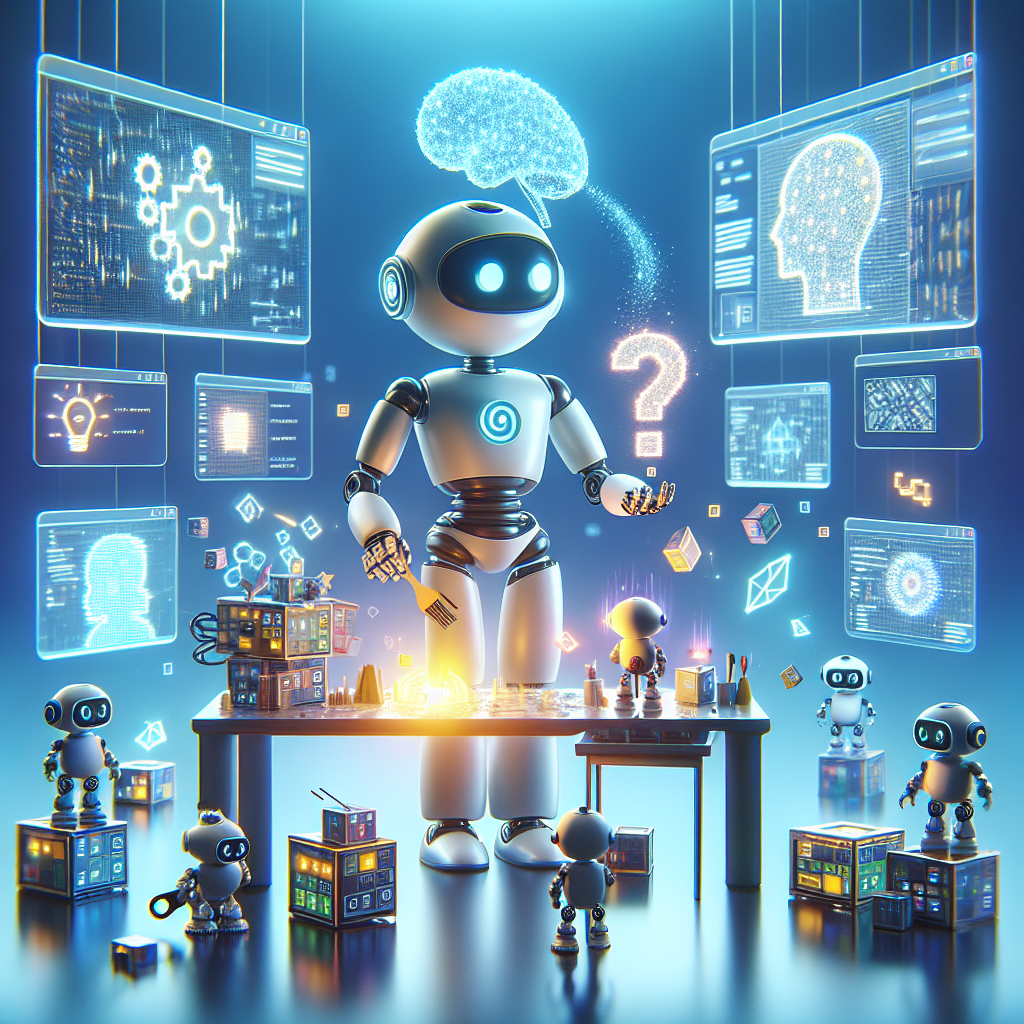
Artificial intelligence has made remarkable strides, with large language models (LLMs) like ChatGPT performing at or above human levels. However, we still lack a complete understanding of their inner workings. This opacity poses significant challenges to researchers, developers, and society at large, sparking concerns about reliability, bias, and ethical implications.
A recent paper coordinated by the Humane Technology Lab proposes a multidisciplinary framework dubbed psychomatics to address this knowledge gap. By merging insights from cognitive science, linguistics, and computer science, psychomatics aims to compare the cognitive processes of AI systems and human minds. The goal is to improve our understanding of how LLMs acquire, learn, and utilize information.
Psychomatics offers several benefits, including developing more reliable AI systems, enhancing transparency, and fostering interdisciplinary collaboration. While challenges remain, such as the complexity of modern LLMs, psychomatics represents a crucial step toward building AI that aligns more closely with human cognition and values.


 Google News