

Debate Intensifies: EU Rejects Zuckerberg's Censorship Claims
The European Commission refutes Mark Zuckerberg's claim that EU data laws censor social media. The Commission asserts that its regulations only mandate the removal of illegal content. Meta is revamping its U.S. fact-checking approach. Platforms must assess risk for any content moderation methods in the EU.
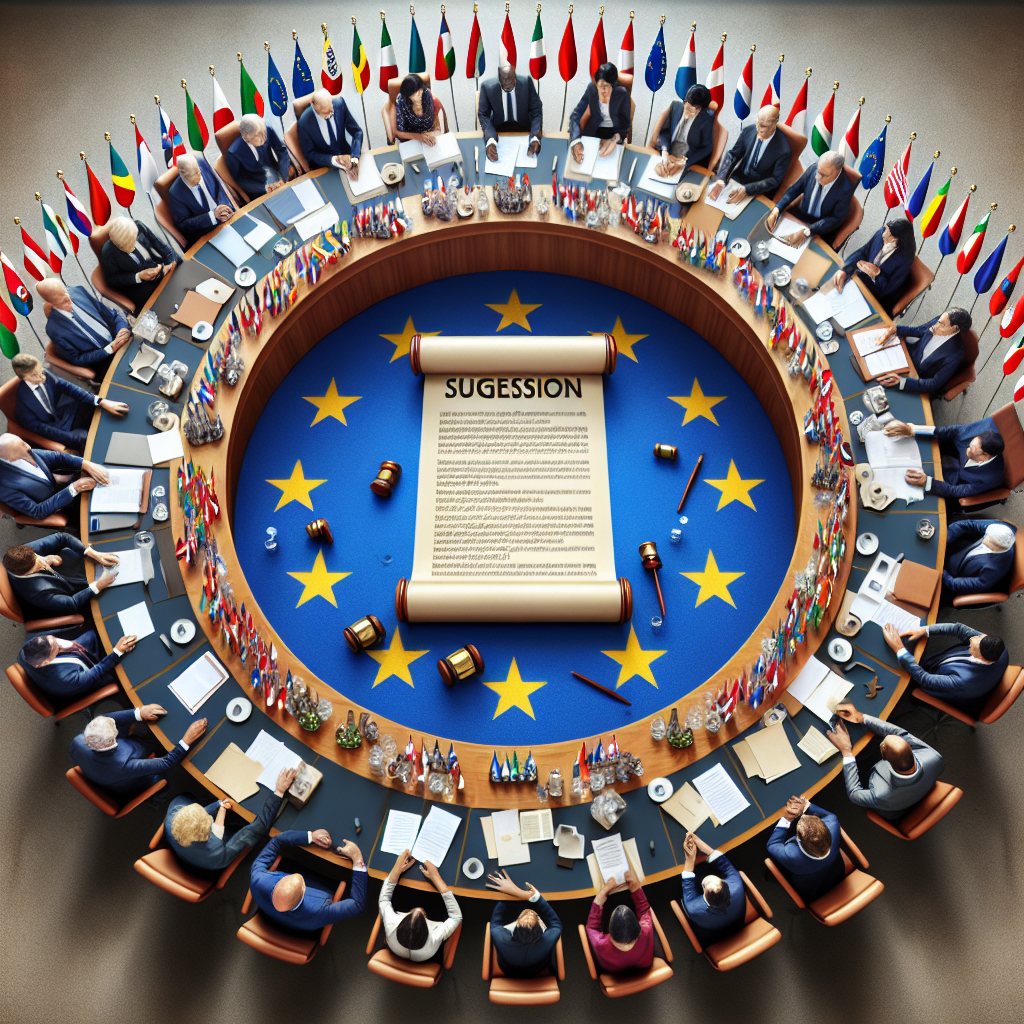
In a recent rebuttal, the European Commission firmly rejected claims made by Meta's CEO, Mark Zuckerberg, that European Union data laws censor social media platforms. Zuckerberg suggested these laws hinder innovation by requiring censorship.
The Commission clarified that their regulations, specifically the Digital Services Act, do not force platforms to remove lawful content. Instead, they target content that could be harmful, such as misinformation affecting children or democracy.
Meta announced a shift in its U.S. fact-checking strategy, moving towards a community-based note system. However, for implementation in the EU, platforms must conduct risk assessments and demonstrate effective content moderation, according to the Commission.
ALSO READ
-
Colombia Bets on Vaccine Manufacturing to Build Health Security and Cut Import Dependence
-
Colombia Gets €15 Million Boost to Build Vaccine Capacity and Cut Import Dependence
-
France Plans Housing Hub to Unlock European Funding and Technical Expertise
-
EU and EIB Launch Investor Pact to Help European Tech Firms Compete on Global Stage
-
EIB- UNDP €15 Million Partnership Backs Recovery for Communities in Crisis


 Google News