

Russia's Space Shuffle: New Leadership Amidst Lunar Mission Failure
Russia's space agency undergoes leadership change following the failure of its first lunar mission in 47 years. Yuri Borisov is replaced by Dmitry Bakanov as Roscosmos head. Russia plans to launch a new orbital station, replacing the ISS, emphasizing its ambitions despite international tensions and an arms race in space.
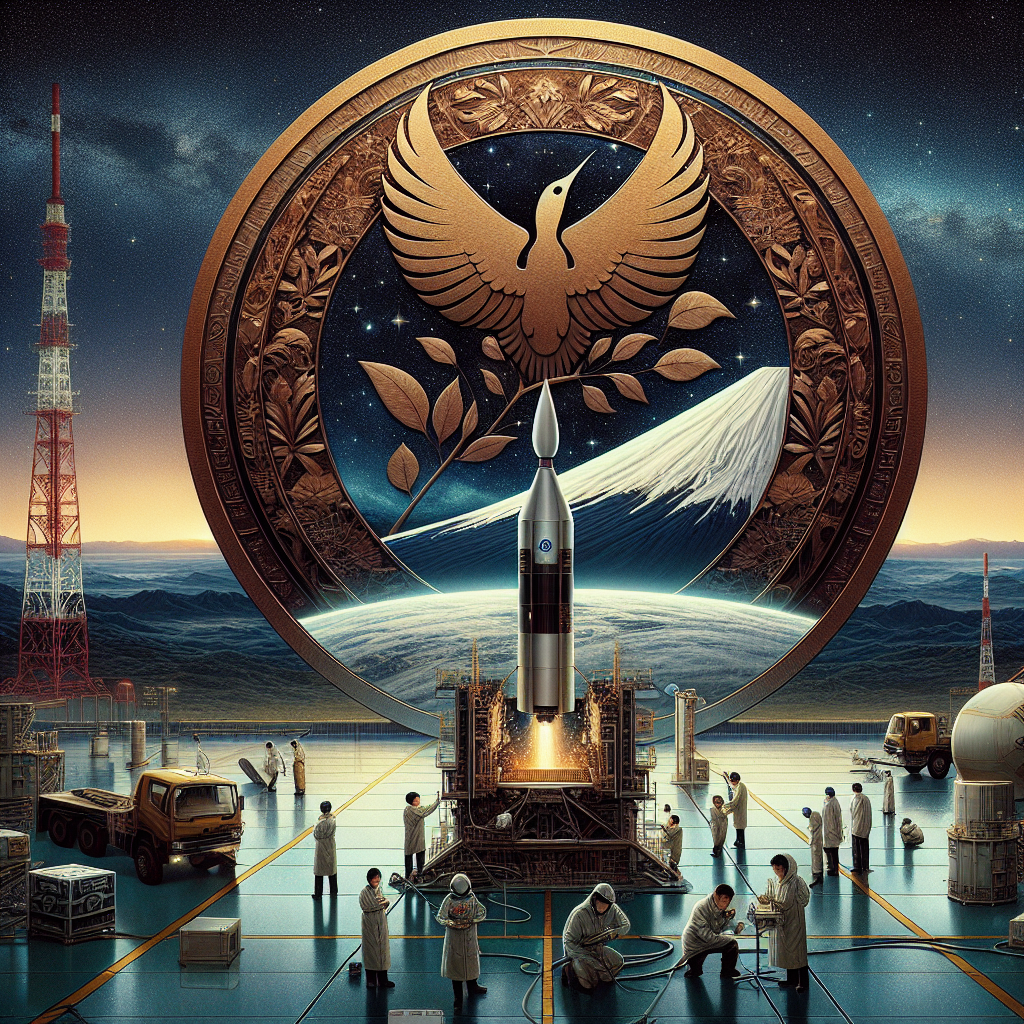
The Kremlin announced a leadership change for Russia's space agency following the failure of its lunar mission in 2023, the first attempt in 47 years. Yuri Borisov, who headed Roscosmos since July 2022, was replaced by Dmitry Bakanov, previously a deputy transport minister.
Despite the setback, Russia has ambitious plans for space exploration, including launching its own orbital space station by 2027, as it prepares to replace the International Space Station. This move reflects its continued commitment to space despite strained international relations due to the ongoing conflict in Ukraine.
The change in leadership comes amid concerns of a potential arms race in space between global powers, with both the U.S. and Russia accusing each other of militarization in space. The new head, Bakanov, was the former leader of a Russian satellite company, symbolizing a renewed focus on satellite technologies as part of this competitive space environment.
ALSO READ
-
Inside Russia’s SMR School, Where Nuclear Experience Shapes Future Energy Decisions
-
WTO Sets Up Panel on EU Carbon Border Rules as Russia Challenges Restrictions
-
Russia’s Reach Beyond Borders Leaves Exiled Critics Living in Fear, UN Expert Warns
-
Ukraine Faces Another Bitter Winter as UN Inquiry Warns of Deepening Civilian Harm
-
Ukraine War: UN Documents 1,004 Sexual Violence Cases and Calls for Justice


 Google News