

Powering the Moon: China and Russia's Nuclear Plans for Lunar Base
China and Russia's International Lunar Research Station plans to use nuclear power and solar arrays on the moon. China's Chang’e-8 mission, aiming for a permanent lunar base, aligns with NASA's Artemis program. By 2035, a 'basic model' will be built, inviting global scientific collaboration.
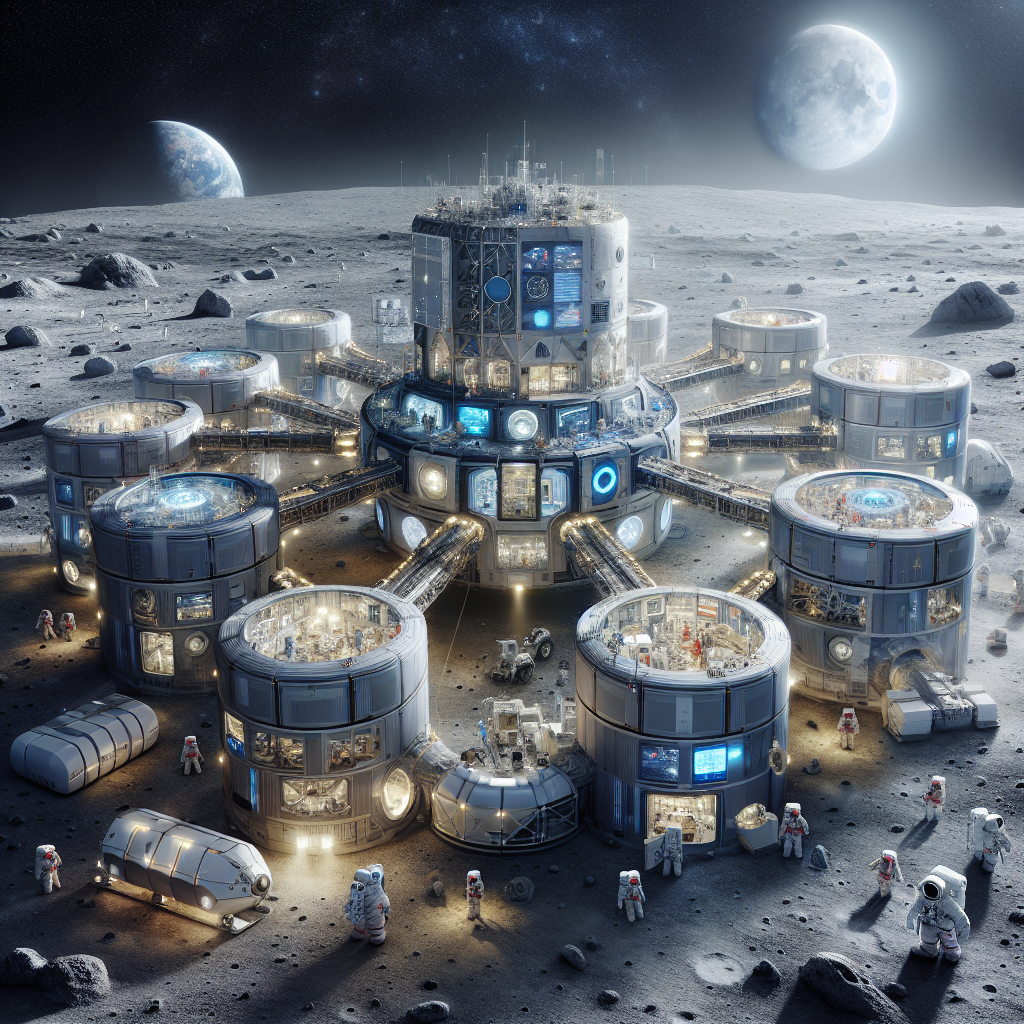
China and Russia are taking significant steps to power the International Lunar Research Station (ILRS) with a nuclear reactor on the moon, according to a presentation made by Pei Zhaoyu, chief engineer of China’s 2028 Chang’e-8 mission. The plan envisions using large-scale solar arrays alongside nuclear power to sustain the base's energy needs.
The Chang’e-8 mission, a cornerstone of China's ambitions in space, is set to establish a permanent human presence on the moon. Targeting the lunar south pole for this outpost, China is racing towards its goal of becoming a major space power, aspiring to land astronauts there by 2030. The timeline closely follows NASA’s Artemis program, which aims for a 2025 lunar landing.
Wu Weiren, a notable figure in the Chinese Lunar Exploration Project, detailed that by 2035, a foundational model of the ILRS would be completed. Additionally, the ambitious '555 Project' seeks to invite countries and researchers worldwide to participate in this lunar endeavor. China intends these efforts to foster international cooperation in its burgeoning lunar project.
ALSO READ
-
WTO Sets Up Panel on EU Carbon Border Rules as Russia Challenges Restrictions
-
WHO Brings Global Experts Together to Strengthen Herbal Medicine Quality and Safety
-
Human Cost of Faster Work: Chinese Employees Weigh AI’s Promise Against Pay Fears
-
Russia’s Reach Beyond Borders Leaves Exiled Critics Living in Fear, UN Expert Warns
-
Ukraine Faces Another Bitter Winter as UN Inquiry Warns of Deepening Civilian Harm


 Google News