

FACTBOX-The art of EU deal: main fights ahead on budget, recovery scheme
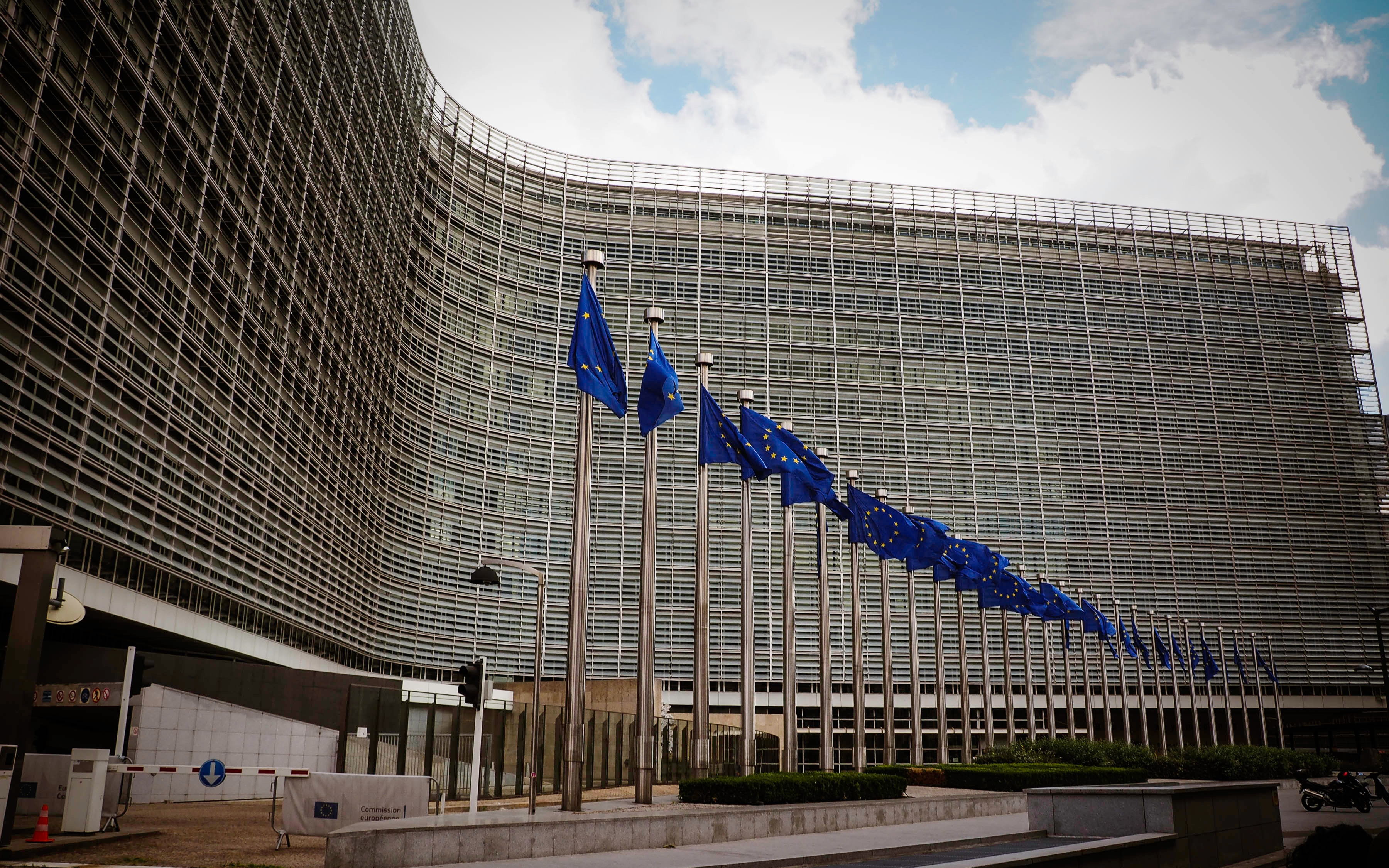
Many fights lie ahead for European Union countries before they can reach unanimous agreement on the proposed 1.85 trillion euros worth of spending through their next joint budget and a new coronavirus economic recovery scheme.
The new stimulus plan worth 750 billion euros would add to the 2021-27 EU budget. Talks on the latter stalled even before the pandemic, amid rifts between net payers and beneficiaries. Here are the main fault lines that need to be resolved for there to be a deal, and potential trade-offs.
SIZE AND HOW TO RAISE IT The EU executive wants to set the bloc's next budget at 1.1 trillion euros and top it up with 750 billion euros worth of new stimulus money, which the European Commission itself would borrow on the market against the budget and national guarantees.
Northern members including Denmark and the Netherlands want to trim the budget. Germany backs them in opposing raising joint debt, while the south and east called for unprecedented spending.
GRANTS OR LOANS
The vast majority of the total 1.85 trillion euros would be doled out in free grants, as sought by ailing southerners Spain and Italy, as well as France. But a club of frugal states - Austria, the Netherlands, Denmark, and Finland - strongly prefers repayable loans, in order to help their peers but avoid bankrolling those they see as fiscally reckless.
REBATES One idea to get the "Frugals" on board is to let them keep their current rebates in the next budget, a demand also put forward by Germany - the biggest contributor to the bloc's joint coffers.
European Commission and other countries earlier pushed to end that practice after Brexit removed from the picture "the mother of all rebates" in the bloc.
CONDITIONS
The more go out in grants, the more the "Frugals" will call for conditions attached to the money, including macroeconomic reforms. That is opposed by southern states reeling from the coronavirus crisis and demanding unrestrained aid. Governments in Poland and Hungary - accused by the EU and rights organizations of undercutting democracy at home - want to evade strict rule of law conditions on accessing EU funds. Their wealthier, western peers say those are indispensable to safeguard the bloc's core values.
HOW TO SPEND IT The bloc needs to agree on how the money from the budget and the stimulus scheme is allocated between member states and key policy areas.
Northerners want to spend on green investment and innovations, France and Poland to uphold massive farm subsidies, poorer peripheral regions to keep their generous development benefits, while that hardest-hit by the coronavirus cry for help.
NET PAYERS AND BENEFICIARIES
The proposed recovery scheme is designed to allow countries that are poorer or already in debt, like Italy, to get extra financing without aggravating their fiscal problems. But Commission borrowing will have to be repaid, which would put a bigger strain on richer states including Germany, Sweden, or Luxembourg.
ALSO READ
-
€40m Boost Opens New Doors for Cultural and Creative Businesses in Belgium
-
Belize Communities Take the Lead in New Push for Jobs, Skills and Stronger Futures
-
Hotter Years, More Cavities? Understanding Link Between Climate and Dental Health
-
Europe’s Rare Earth Wake-Up Call: Turning Years of Research Into Factories That Last
-
EIB and Intesa Sanpaolo Sign €300 Million Deal to Expand Affordable Housing in Italy


 Google News