

Sterling falls against dollar as investors turn cautious
The pound fell against the dollar on Wednesday, as fears of a second wave of coronavirus infections and news the United States is reviewing tariffs on European products curbed global risk appetite and boosted demand for the safe U.S. currency. The dollar rose after the United States said it was considering tariffs on $3.1 billion of exports from Britain, France, Germany and Spain.
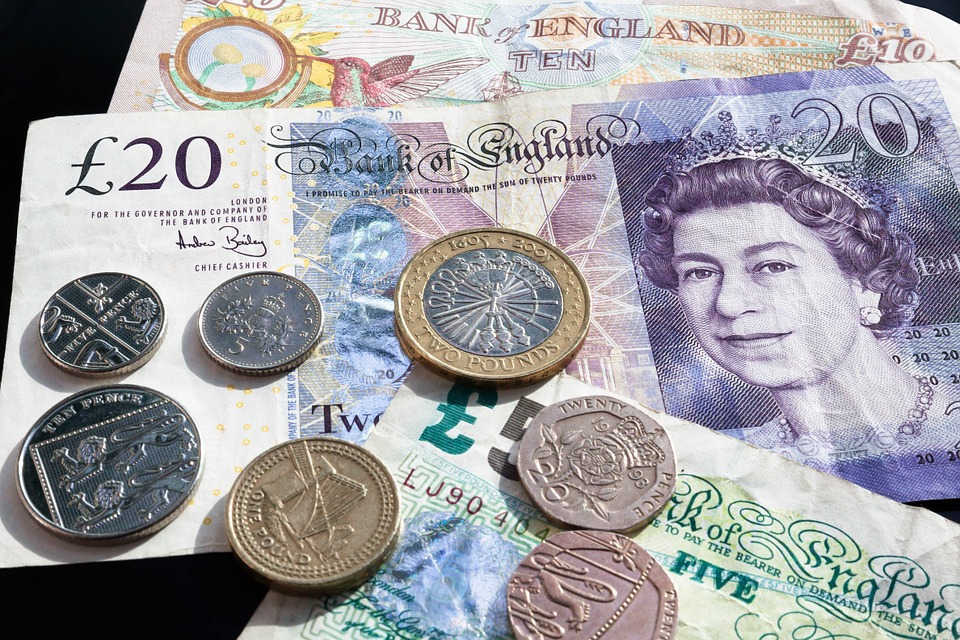
The pound fell against the dollar on Wednesday, as fears of a second wave of coronavirus infections and news the United States is reviewing tariffs on European products curbed global risk appetite and boosted demand for the safe U.S. currency.
The dollar rose after the United States said it was considering tariffs on $3.1 billion of exports from Britain, France, Germany and Spain. Increased fears of a second wave of coronavirus infections contributed to the more cautious mood.
"There's been a little bit of 'risk-off' – we can see that in the stock markets this morning and I think we can see that in the news about the second wave in the U.S. and other countries," said Jane Foley, senior FX strategist at Rabobank. British Prime Minister Boris Johnson has unveiled an easing of lockdown restrictions in England.
But top medics signed an open letter on Wednesday in the well-regarded British Medical Journal warning of the risk of a second wave. Concerns whether Britain can get a deal on its future relationship with the European Union also weighed.
The pound extended losses when the EU's chief negotiator said on Wednesday a deal was possible, but Britain needs to give clear signals it is ready to work towards one. Against the dollar, the pound was broadly flat in early trading but fell from mid-morning onwards as the dollar strengthened. At 1500 GMT it was at $1.2450, down 0.6% on the day.
Euro-sterling edged down from the three-month highs hit on Tuesday after positive European economic data. At 90.47 pence per euro, the pound was down around 0.3%. Four years after Britain voted to leave the European Union, the pound is well below its pre-referendum levels.
Britain and the EU are set to miss their agreed end-of-June deadline for assessing whether the United Kingdom's financial services regulation is deemed equivalent to EU regulatory standards. Foley said that, if a deal were reached, sterling would rally. In the absence of one, she expects euro-sterling to edge up towards 91 over the summer months.
Bank of America analysts wrote in note to clients the pound should be seen more as an emerging market currency than a core G10 currency. "In our view, Brexit is likely to permanently alter the way in which investors view the pound," they wrote.
"We believe GBP is in the process of evolving into a currency that resembles the underlying reality of the British economy: small and shrinking with a growing dual deficit problem similar to more liquid EM currencies," they added.
ALSO READ
-
Belize Communities Take the Lead in New Push for Jobs, Skills and Stronger Futures
-
Hotter Years, More Cavities? Understanding Link Between Climate and Dental Health
-
Europe’s Rare Earth Wake-Up Call: Turning Years of Research Into Factories That Last
-
Lebanon’s Small Business Owners Build Skills and Market Links With EU and ILO Support
-
Poltava University Reopens With Safer, Greener Spaces for Nearly 3,000 Campus Users


 Google News