

Vaccine rollout eases pressure on Bank of England to act
In addition to the banks view on the the vaccine rollout, there will be interest on how the recently agreed trade deal between the UK and the European Union will affect the British economy.
- Country:
- United Kingdom
The Bank of England is expected to keep interest rates on hold Thursday amid rising optimism over the British economy's near-term prospects in the wake of the rapid rollout of coronavirus vaccines.
The central bank has been proactive through the pandemic, cutting its main interest rate to a record low of 0.1 per cent and splashing out a further 450 billion pounds (USD 615 billion) in its bond-buying program.
Many in financial markets had anticipated the central bank to take more action to help the economy, potentially even a cut in the main interest rate below zero to encourage banks to lend more.
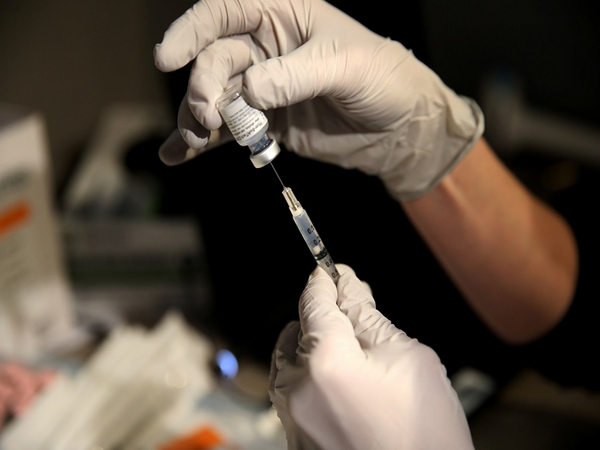
However, the UK's world-leading rollout of coronavirus vaccines has lowered expectations of another move imminently. As of Wednesday, more than 10 million people in the UK have received their first vaccine doses, nearly a fifth of the adult population.
That has spurred hopes that lockdown restrictions will be eased sooner, allowing the economy to recover quickly. "With the vaccine rollout going well, and cases now falling rapidly, there is a good chance that the economy will record a rapid bounce in activity through the middle of the year," said James Smith, an economist at ING. "That in turn reduces the pressure to inject additional stimulus." Alongside its policy decisions, the bank will be publishing its updated economic forecasts, which will take account of a number of factors that weren't clear at the time of the previous predictions in November. In addition to the bank's view on the the vaccine rollout, there will be interest on how the recently agreed trade deal between the UK and the European Union will affect the British economy. It's clear that businesses are facing difficulties related to the new economic arrangements with the EU. Though the trade deal, which came into force at the start of the year, means there are no tariffs on goods exported or quotas on the amount sold, businesses are facing additional costs related to more form-filling and customs checks.


 Google News