

Work needs to be done to prune GST exemption in services: Revenue Secy
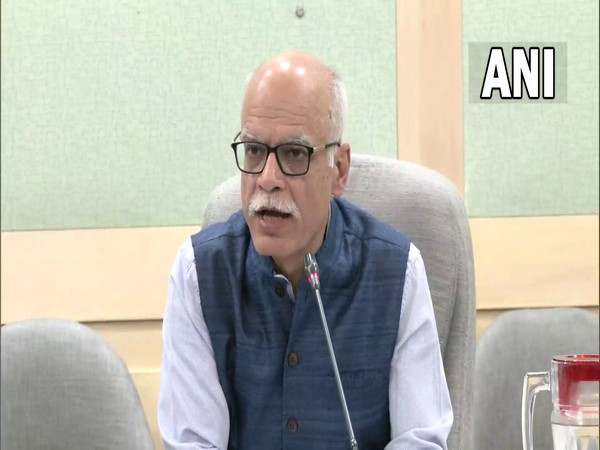
A lot of work still needs to be done to prune GST-exempted items, especially in the services sector, Revenue Secretary Tarun Bajaj said on Tuesday.Addressing a CII interactive session, Bajaj said the effort is to remove the rough edges in Goods and Services Tax GST over the next two-three years.On rationalisation of GST rates, the secretary said a group of ministers is looking into it.
- Country:
- India
A lot of work still needs to be done to prune GST-exempted items, especially in the services sector, Revenue Secretary Tarun Bajaj said on Tuesday.
Addressing a CII interactive session, Bajaj said the effort is to remove the "rough edges" in Goods and Services Tax (GST) over the next two-three years.
On rationalization of GST rates, the secretary said a group of ministers is looking into it. "We will have to wait for some time," he said. Exemptions remain, a large number on the services side, Bajaj said, adding "work needs to be done to prune it".
On representations that 5 percent GST on non-ICU hospital rooms above Rs 5,000 is against affordable healthcare, Bajaj said the percentage of rooms in hospitals that charge more than Rs 5,000 is "minuscule".
"If I can spend Rs 5,000 on a room, I can pay Rs 250 for GST. I don't see any reason for such a messaging that 5 percent GST is hitting affordable healthcare," Bajaj said.
The secretary said the 28 percent slab in GST contributes 16 percent to the gross GST revenue, while the major chunk of 65 percent comes from the 18 percent slab.
The slabs of 5 percent and 12 percent contribute 10 percent and 8 percent of the total gross GST revenue.
Under the GST, a four-rate structure that exempts or imposes a low rate of tax of 5 percent on essential items and a top rate of 28 percent on cars is levied. The other slabs of tax rates are 12 percent and 18 percent.
Besides, there is a special 3 percent rate for gold, jewelry, and precious stones and 1.5 percent for cut and polished diamonds.
Also, a cess is levied on the highest tax slab of 28 percent on luxury, sin, and demerit goods. The collection from the cess goes to a separate corpus -- Compensation fund -- which is used to make up for revenue loss suffered by the state due to the rollout of GST.


 Google News