

Getting Started with Bitcoin: A Primer for Beginners
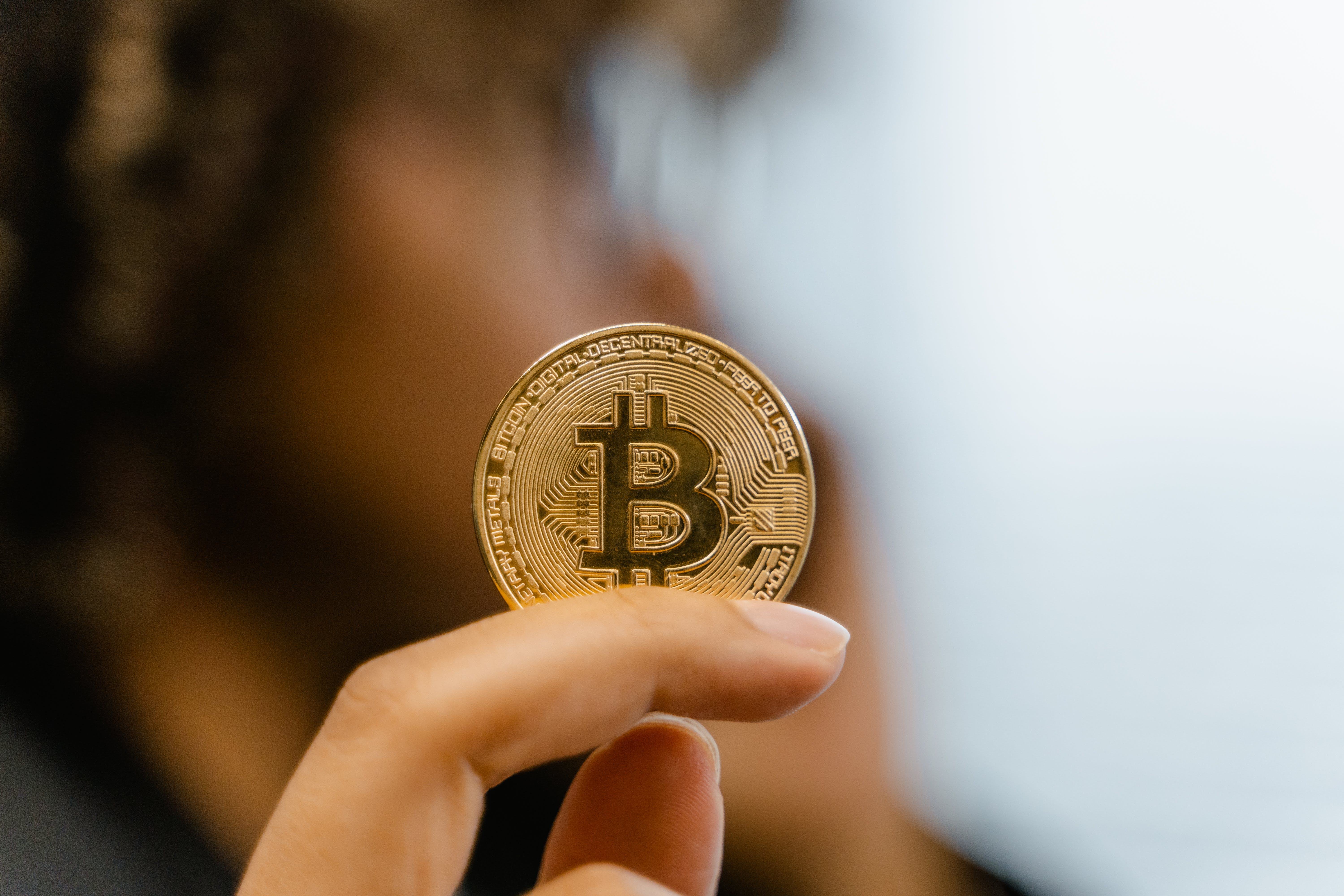
In a world where traditional financial systems are undergoing transformation, Bitcoin has emerged as a revolutionary digital currency that has captured the imagination of investors, technologists, and the general public alike. Don't risk your investments by getting in the market without learning. Use Immediate Matrix and start learning about the concept of investing from experts.
What is Bitcoin?
Bitcoin, often referred to as "digital gold," is a decentralized digital currency that operates on a technology called blockchain. It was created in 2008 by an enigmatic figure known as Satoshi Nakamoto. The key concepts to understand about Bitcoin are:
Definition
At its core, Bitcoin is a digital form of money that exists purely in electronic form. Unlike traditional currencies, such as the US Dollar or Euro, it is not issued or controlled by any government or central authority.
Blockchain Technology
Bitcoin transactions are recorded on a public ledger known as the blockchain. This technology ensures transparency, security, and immutability of transaction data.
Satoshi Nakamoto
The true identity of Bitcoin's creator remains a mystery, as Satoshi Nakamoto chose to remain pseudonymous. Nakamoto's whitepaper, titled "Bitcoin: A Peer-to-Peer Electronic Cash System," laid the foundation for the cryptocurrency revolution.
How Does Bitcoin Work?
To understand Bitcoin, it's essential to grasp the basic mechanics of how it operates:
Transactions
Bitcoin transactions involve the transfer of value from one user to another. These transactions are recorded on the blockchain and can be viewed by anyone.
Mining
Mining is the process by which new Bitcoins are created and transactions are added to the blockchain. Miners use powerful computers to solve complex mathematical puzzles, securing the network and earning Bitcoin rewards in return.
Cryptographic Keys and Wallets
Bitcoin users have a public key (like an account number) and a private key (like a password). Public keys are used to receive Bitcoin, while private keys are required to access and send Bitcoin. Wallets, both physical and digital, store these keys securely.
Buying and Storing Bitcoin
Acquiring and safeguarding your Bitcoin holdings is of paramount importance:
Buying Bitcoin
You can buy Bitcoin through cryptocurrency exchanges, Bitcoin ATMs, or peer-to-peer platforms. Ensure that you choose a reputable exchange and follow proper KYC (Know Your Customer) procedures.
Secure Wallets
Select a secure wallet to store your Bitcoin. Hardware wallets, paper wallets, and reputable software wallets are popular choices. Safeguard your private keys diligently.
Security Measures
Implement security measures such as two-factor authentication (2FA) and cold storage to protect your holdings from theft or hacking.
Using Bitcoin for Transactions
Bitcoin is not just an investment; it's also a means of conducting transactions:
Everyday Purchases
An increasing number of businesses accept Bitcoin as a payment method for goods and services. Explore the growing list of merchants that support Bitcoin transactions.
Sending and Receiving Payments
Learn how to send Bitcoin to others or receive payments from friends and businesses. Bitcoin transactions offer a level of transparency and security that traditional methods may lack.
International Transactions
Bitcoin's borderless nature makes it an ideal choice for international money transfers, with lower fees and faster transaction times than traditional banking systems.
Investing and Trading Bitcoin
Bitcoin has generated significant interest as an investment asset class:
Long-term Investment
Consider Bitcoin as a long-term investment, akin to gold or other assets. Historical price appreciation has attracted many investors seeking a store of value.
Trading Bitcoin
If you're interested in trading, understand the basics of buying low and selling high. Cryptocurrency exchanges provide platforms for trading Bitcoin against various fiat currencies and altcoins.
Risk Management
Recognize the high volatility associated with Bitcoin. Develop risk management strategies, diversify your portfolio, and never invest more than you can afford to lose.
Risks and Challenges
Bitcoin presents unique risks and challenges:
Price Volatility
Bitcoin's price can experience significant fluctuations, which can be both an opportunity and a risk for investors and traders.
Regulatory Concerns
Bitcoin's regulatory environment varies by country and can impact its use and adoption. Stay informed about local laws and regulations.
Security Threats
Be aware of security threats, such as phishing scams, hacking attempts, and fraudulent schemes, that target Bitcoin users. Practice vigilance and use reputable services.
The Future of Bitcoin
The future of Bitcoin is full of possibilities:
Innovation and Development
Ongoing development and innovation in the Bitcoin ecosystem promise exciting improvements, including scalability solutions and privacy enhancements.
Financial Landscape
Bitcoin is gradually gaining recognition as an asset class. Its role in global finance and investment portfolios is evolving.
Continued Learning
Bitcoin is a dynamic field, and staying informed is crucial. Explore Bitcoin communities, news sources, and educational resources to deepen your understanding.
Conclusion
In conclusion, Bitcoin is a transformative digital asset that has the potential to reshape the world of finance. By mastering the fundamentals of Bitcoin, you can participate in this exciting journey responsibly and securely. Remember that knowledge, vigilance, and prudence are your allies as you embark on your Bitcoin adventure. Continue to learn and stay informed, and you'll be well-equipped to navigate the exciting world of Bitcoin.
(Devdiscourse's journalists were not involved in the production of this article. The facts and opinions appearing in the article do not reflect the views of Devdiscourse and Devdiscourse does not claim any responsibility for the same.)


 Google News