

Euro area sovereign bond yields rise after Fed, data, focus on BoE
Euro zone government bond yields dropped on Wednesday after mixed economic data and unexpectedly dovish comments from European Central Bank (ECB) policymaker Joachim Nagel. Euro zone inflation eased last month but underlying price pressures fell less than forecast, likely boosting the ECB's argument that rate cuts should not be rushed, even if the next move is still going to be policy easing.
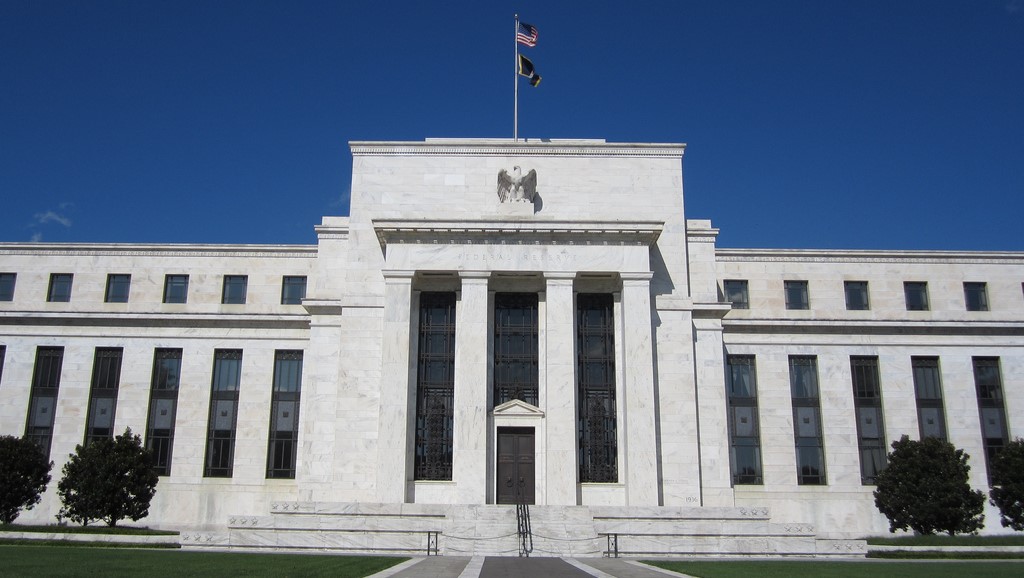
Euro zone government bond yields rose on Thursday after the Federal Reserve left interest rates unchanged but indicated it would only cut them once there was more evidence that inflation was moving towards its 2% target. Euro zone government bond yields dropped on Wednesday after mixed economic data and unexpectedly dovish comments from European Central Bank (ECB) policymaker Joachim Nagel.
Euro zone inflation eased last month but underlying price pressures fell less than forecast, likely boosting the ECB's argument that rate cuts should not be rushed, even if the next move is still going to be policy easing. Germany's 10-year government bond yield, the benchmark for the euro area, rose 5 basis points (bps) to 2.21%. It was down more than 11 bps the day before, in its biggest daily fall in months.
"The biggest concern for policymakers is that services inflation has stopped falling – it has been unchanged at 4.0% since November," said Jack Allen-Reynolds, deputy chief euro zone economist at Capital Economics. Figures "were a little stronger" than we had expected after data from Germany and France released on Wednesday, he added.
Federal Reserve Chair Jerome Powell - speaking after the end of a two-day policy meeting - declined to declare victory in the two-year inflation fight. "We believe it will take a bit longer for the Fed to accumulate more evidence on inflation and get more clarity on how monetary policy transmission works its way through to the economy," said Anna Stupnytska, global economist at Fidelity International.
"The Fed is unlikely to be in the rush to cut until June, and once the cutting cycle starts, it will not be on autopilot - the pace of cuts will crucially depend on the growth/inflation mix at the time," she added. ECB euro short-term rates (ESTR) forwards priced in a policy rate reduction of around 143 basis points (bps) in 2024 from 150 bps late Wednesday. They priced a 90% chance of a 25 bps cut by April 2024, after fully pricing it the day before.
The Bank of England will announce its rate decision and publish the meeting minutes on Thursday at 1200 GMT. Analysts argued that the BoE policy meeting flew under the radar as markets focused on ECB comments and inflation data.
"This potentially creates the conditions for a volatile market reaction, with the direction likely set more by what the (BoE's) Governor says," said Citi in a research note. Britain's central bank looks set to keep interest rates at their highest in nearly 16 years on Thursday, but investors will look for hints of rate cuts to come.
Italy's government bond 10-year yield - the benchmark for the euro area's periphery - was up 6 bps at 3.77%. The gap between Italian and German 10-year yields rose to 157 bps, its widest level since Jan. 23. Bond prices of highly indebted countries have benefited from expectations of a quick monetary easing and the ECB's gradual wind-down of the Pandemic Emergency Purchase Programme (PEPP) reinvestments announced in December.
Bond prices move inversely with yields.


 Google News