

Government Launches E-commerce Export Hubs to Boost MSMEs
The Indian government announced the establishment of 10-15 e-commerce export hubs under a public-private-partnership model to facilitate MSMEs and traditional artisans in selling their products internationally. The hubs will provide a seamless regulatory and logistical framework, including customs clearance and warehousing facilities.
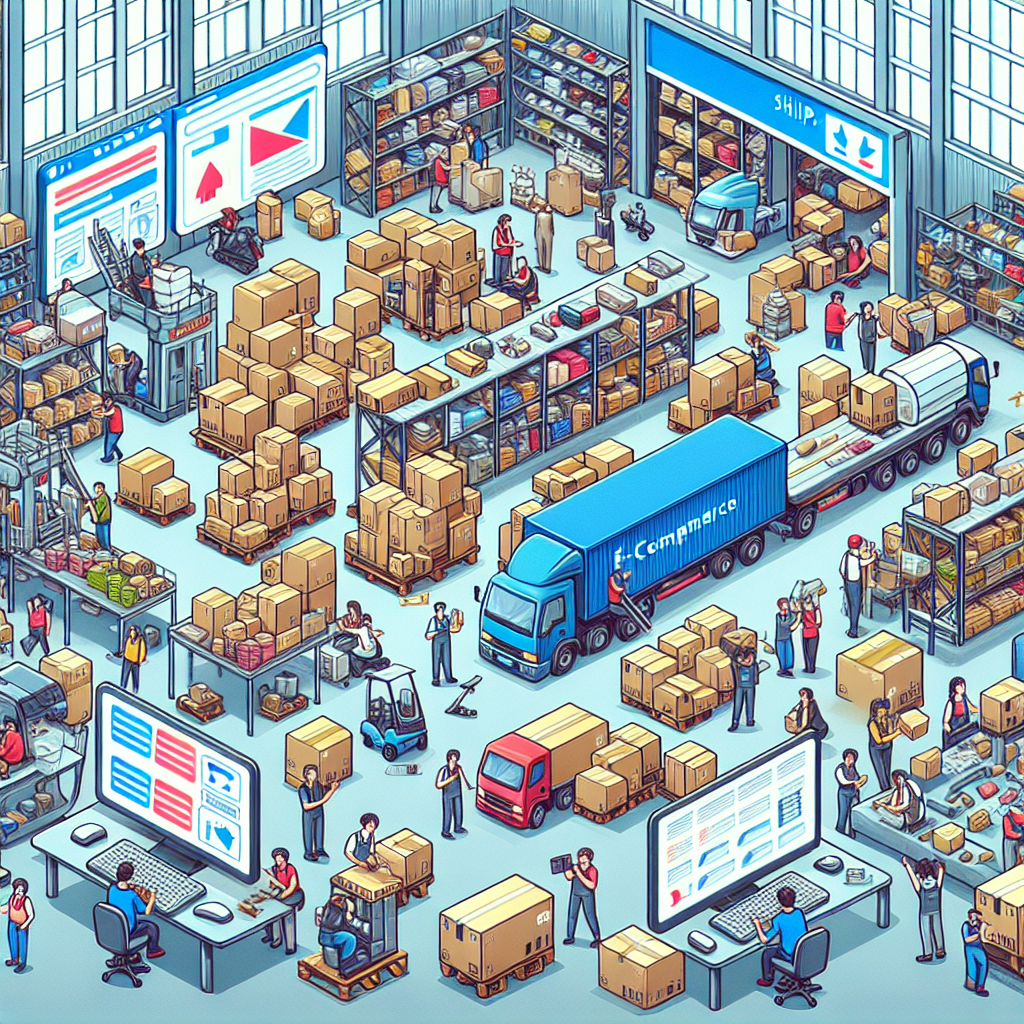
The government on Tuesday announced the setup of hubs to promote exports through the e-commerce medium in a public-private-partnership (PPP) mode. Initially, 10-15 hubs will be established.
Finance Minister Nirmala Sitharaman stated that these hubs, working under a comprehensive regulatory and logistical framework, will facilitate trade and export-related services under one roof.
''To enable MSMEs (micro, small and medium enterprises) and traditional artisans to sell their products in international markets, e-commerce export hubs will be set up in PPP mode,'' she said, emphasizing the potential benefits for small producers.
Commerce and Industry Minister Piyush Goyal highlighted that these hubs will include facilities like expedited customs clearances and will be strategically located near major cargo centers, making the trade process more efficient.
''We will start with 10-15 hubs, then gauge the interest from trade, business, and exporters. If we receive good encouragement, we will scale them up, in consultation with the industry,'' the minister explained. The commerce ministry is aiming to finalize the regulatory framework by September.
Currently, India's e-commerce exports stand at USD 5 billion, significantly lower than China's USD 300 billion. There's potential to increase this figure to USD 50-100 billion in the coming years. The hubs will facilitate small producers in selling to aggregators, who will then find markets to distribute the products.
Export items with significant potential include jewellery, apparel, handicrafts, and ODOP (one district one product) goods. The hubs will also offer warehousing, customs clearance, returns processing, labelling, testing, and repackaging services.
Ajay Sahai, Director General of the Federation of Indian Export Organisations, stated that these hubs will function as bonded zones, easing the exports and addressing re-import issues that e-commerce cargo faces. Last year, cross-border e-commerce trade was about USD 800 billion and is estimated to reach USD 2 trillion by 2030.
According to a report by economic think tank GTRI, India's e-commerce exports have the potential to reach USD 350 billion by 2030, but current banking issues hinder growth and increase operational costs. India targets USD 1 trillion in merchandise exports by 2030, with cross-border e-commerce identified as a key medium.
Sitharaman also announced a proposed reduction in the TDS rate on e-commerce operators from 1 per cent to 0.1 per cent, a move welcomed by Nasscom, citing it will unlock working capital for sellers and encourage participation in e-commerce activities.


 Google News