

Kamala Harris Steps into Economic Spotlight amid Inflation Controversies
Kamala Harris is seizing control of the Democratic economic narrative post-Joe Biden's exit from the presidential race. Emphasizing social equity and labor rights, Harris faces Republican backlash blaming her for sustained inflation under Biden's administration. Economic models predict challenges, which complicate her path to the 2024 election.
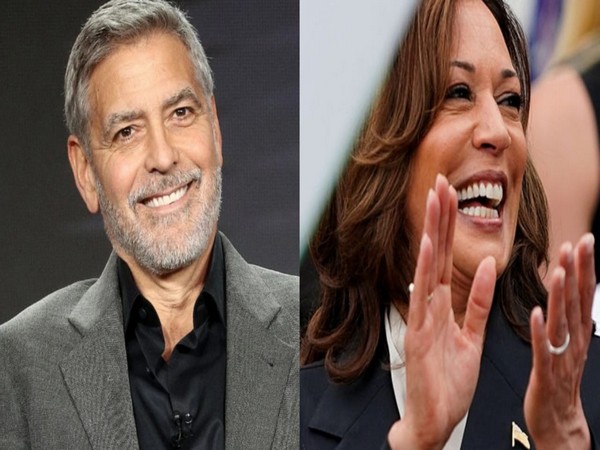
Kamala Harris is stepping into the economic limelight following President Joe Biden's recent exit from the presidential race. As the likely Democratic nominee, Harris is focusing on socio-economic reforms such as ending child poverty, promoting labor unions, and ensuring dignity in retirement. Notably, she has steered clear of discussing inflation in her speeches—a significant issue that has plagued Biden's tenure.
Republicans have been quick to criticize her, attributing the persistent inflation to her role as vice president. Senate Minority Leader Mitch McConnell stated, 'Vice President Harris owns this administration's record,' adding that her 'fingerprints are all over the past four years of failure.' Despite these critiques, Harris continues to align with Biden's economic strategies, including raising the corporate tax rate.
Her emergence has coincided with positive economic indicators, including a 2.8% annual growth rate in the second quarter. Yet, ongoing inflation poses a risk, potentially shadowing her campaign. Analysts suggest that while social issues might bolster her appeal, the lingering memories of high inflation could complicate voter sentiment.
ALSO READ
-
Seychelles Growth Set to Slow to 1% as Tourism Feels the Middle East Conflict’s Impact
-
ADB Approves $1.5 Billion to Protect Philippines From Conflict-Driven Price Hikes
-
Malawi’s Fragile Recovery Faces Jobs Test; Debt and State Firms Strain Economy
-
Asia’s Growth Slows to 5% as Energy Shocks and El Niño Put Regional Recovery at Risk
-
Venezuelan Central Bank's Gold Transfer Nears Completion


 Google News