

India-Germany Green & Sustainable Development Partnership: A $1 Billion Annual Commitment
The India-Germany Green and Sustainable Development Partnership, launched in 2022, allocates over 1 billion euros annually to diverse projects across India. The collaboration includes reforestation, agroecology, and urban transport improvements. German Ambassador Ackermann highlights the partnership's role in fostering sustainable development and enhanced defense cooperation between the nations.
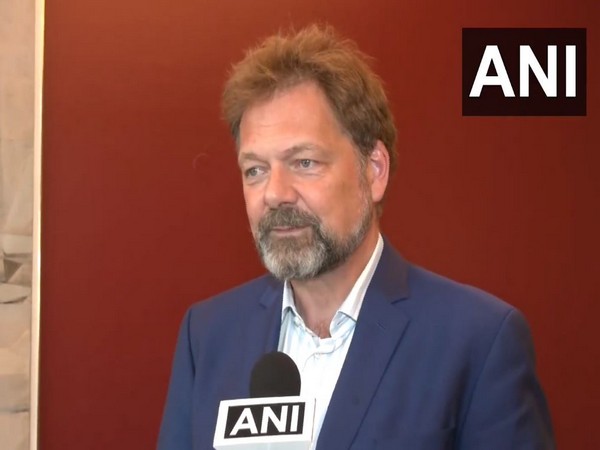
The Green and Sustainable Development Partnership (GSDP) between Germany and India, launched in 2022, is a robust initiative, allocating over 1 billion euros annually to various projects across India, according to German Ambassador Philipp Ackermann.
The initiative encompasses a diverse range of projects from reforestation in Northeast India to agroecological efforts in Andhra Pradesh, and urban public transport improvements in Bangalore and Ahmedabad, Ackermann detailed in an interview. The Ambassador emphasized the mutual pride both countries take in these collaborative projects, highlighting the role of the partnership in promoting sustainable development.
'GSDP is a partnership spanning roughly 10 years, funded with 10 billion euros, with over 1 billion euros annually directed towards Indian projects developed jointly with Indian counterparts,' Ackermann stated. 'We are particularly proud to cover the entire subcontinent with various specific projects, from forestry to agroecology and urban transport enhancements,' he added.
Launched in May 2022, the India-Germany GSDP is designed to tackle environmental challenges such as climate change, renewable energy, and sustainable infrastructure. It aims to foster cooperation in climate action, biodiversity conservation, and green growth. The partnership involves both governmental and private sector stakeholders from both nations.
On defense cooperation, Ackermann noted significant strengthening of ties in recent months, with increased military collaboration between the countries. 'Defense cooperation has developed extensively over the past few months, marked by greater engagement in joint military activities,' Ackermann remarked. (ANI)
ALSO READ
-
New Zealand Gives NZ$300,000 to Help Developing Countries Build Safer Food Trade
-
Philippines Moves From Promises to Protection in a New 2030 Fight Against Modern Slavery
-
Free AI Training Opens Doors for African Public Officials to Build Smarter Services
-
Caribbean Tourism Powers Local Economies, but Workers Need More Than Visitor Growth
-
IAEA and IDB Join Forces to Expand Nuclear Energy in Latin America and Caribbean


 Google News