

European Carmakers Grapple with Declining Demand and Rising Costs
Stellantis, alongside Volkswagen and other major carmakers, warns of worsening demand and rising costs, significantly impacting the auto sector’s market value. Struggles include weak demand in China and the U.S., rising competition, and trade tensions. British luxury carmaker Aston Martin and several others have issued profit warnings amid declining sales.
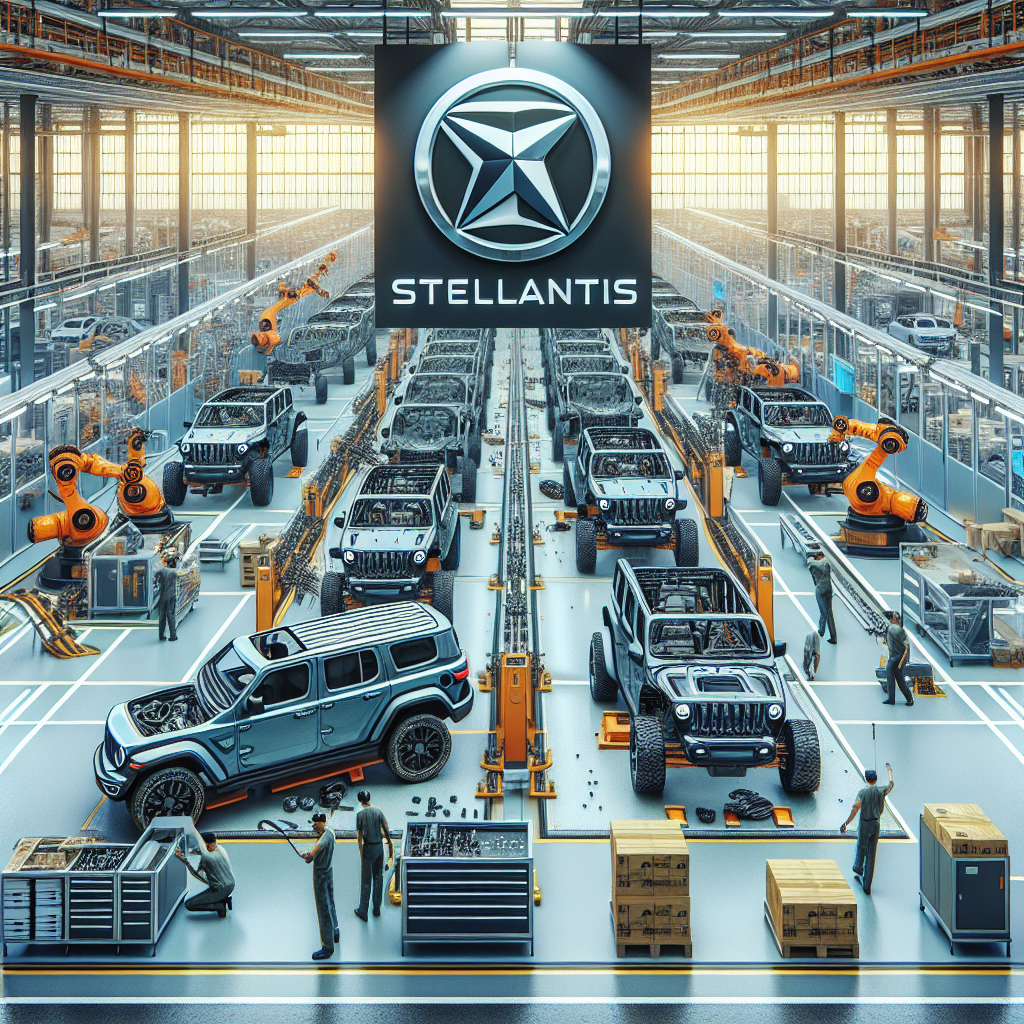
European carmaker Stellantis joined bigger rival Volkswagen on Monday in signaling a worsening outlook for auto demand and mounting costs, erasing billions of euros from the sector's market value.
The automakers face feeble demand in China and the U.S., alongside looming trade tensions between Beijing and the EU. The bloc is preparing import tariffs on Chinese electric vehicles over alleged subsidies. On Monday, British luxury carmaker Aston Martin also issued a profit warning for the year, attributing part of the blame to falling demand in China, similar to earlier warnings from Mercedes-Benz and BMW.
Shares in Aston Martin plunged up to 20%, hitting a near two-year low, while Stellantis' shares dropped nearly 11%, their lowest since December 2022, as investors grappled with the full extent of the automaker's woes. Stellantis' shares have plummeted 38% this year, making it Europe’s worst-performing automaker.
These latest warnings follow Volkswagen’s late-Friday announcement of its second profit outlook cut for 2024 in less than three months. Volkswagen shares were down over 2.8% by mid-morning Monday. The German auto giants, heavily reliant on China for about a third of their sales, are grappling with a weaker Chinese economy and fierce competition from domestic manufacturers amid a brutal EV price war.
Dwindling European demand has also been a factor, with EU new car sales in August dropping 18.3%, their lowest in three years, driven by double-digit losses in key markets like Germany, France, and Italy, as well as declining EV sales.
Stellantis faces significant issues in North America as well. The once-profitable Jeeps and pickup trucks catering to the U.S. market have faced high inventories and weak sales. This misjudgment has forced Stellantis to cut production and offer deep discounts, reducing the profit margins for the year to between 5.5% and 7%, down from double digits, and warning of negative cash flow ranging from 5 to 10 billion euros.
Forward 12-month price-to-earnings ratios for Europe’s top three carmakers—VW, Stellantis, and Renault—stand around 3, much lower than U.S. competitors GM, Ford, and Toyota. The European automakers are also struggling with rising competition from Chinese manufacturers who can create better and cheaper EVs more quickly. Additionally, they face challenges in selling their own EVs while investing large amounts in developing new, affordable models. Transitioning production lines further exacerbates cash flow issues, hurting revenue generation. Falling market share in China and slackening demand in Europe have prompted Volkswagen to warn of potential plant closures in Germany, setting the stage for conflicts with the influential IG Metall union, with pay negotiations commencing last week.


 Google News