

India's E-commerce Export Hubs: A Global Trade Revolution
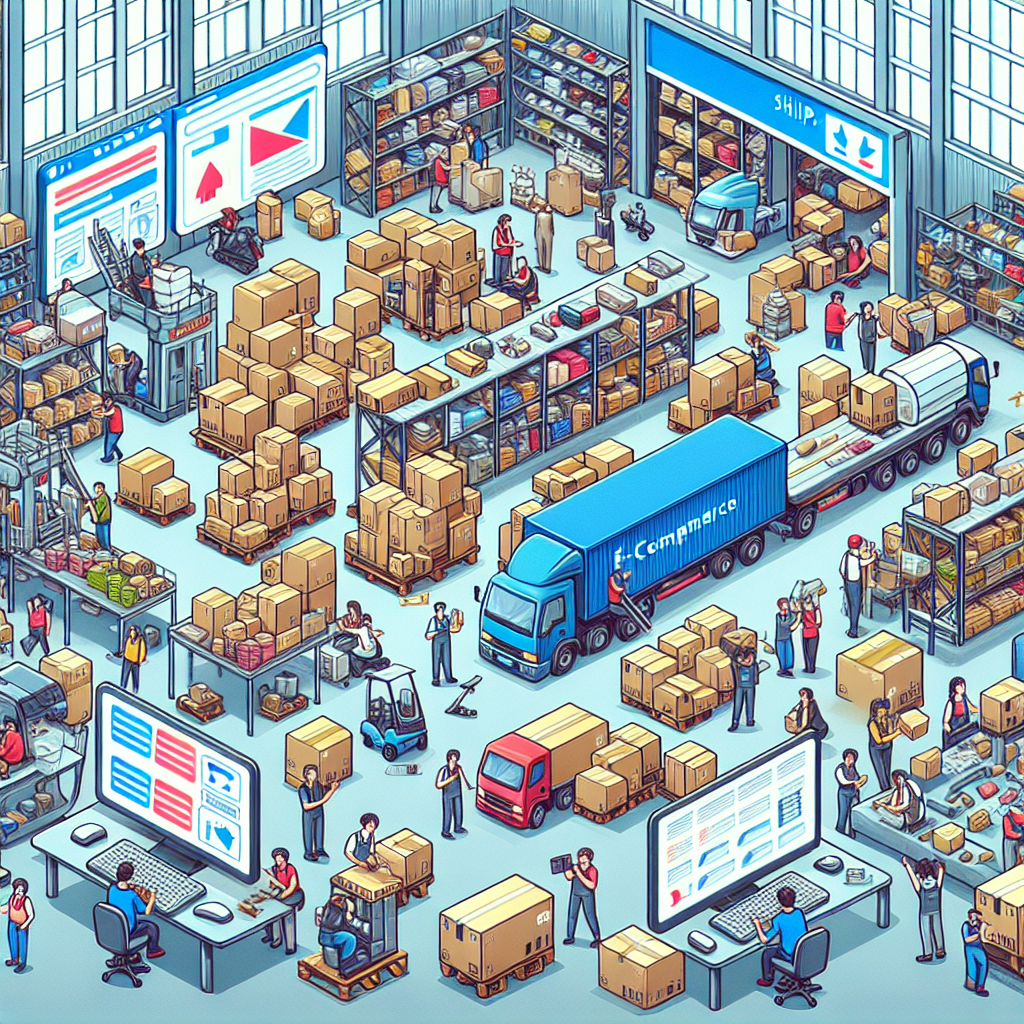
India is setting up e-commerce export hubs with the help of the departments of commerce and revenue, and BCAS. These hubs aim to expedite customs and boost e-commerce exports, tapping into a projected growth potential of USD 100 billion by 2030, drawing inspiration from China's model.
- Country:
- India
In a move to place India on the global e-commerce export map, the country's departments of commerce and revenue, alongside the Bureau of Civil Aviation Security (BCAS), are crafting a standard operating procedure (SOP) for establishing e-commerce export hubs. This strategic initiative aims to streamline the operationalization of these hubs.
The commerce ministry has greenlit applications from logistics giants like DHL, Lexship, and Cargo Service Centre, among others, signifying a clear government endorsement. These entities are tasked with setting up operational centers in key urban locales such as Bengaluru, Mumbai, and Delhi.
The initiative promises expedited customs and seamless security clearances within the hub facilities, along with an easy re-import policy. This ambitious endeavor looks to harness India's potential in e-commerce exports, estimated to surge from USD 5 billion to more than USD 100 billion by 2030, inspired by China's successful model.
ALSO READ
-
Cleaner Kitchens, Polluted Skies: Hidden Health Cost of India’s Electricity Boom
-
Hidden Dangerous Goods Spark IATA Call for Stronger Safety Across Air Cargo Chains
-
From Training to Trading: Why Real Customer Demand Could Accelerate SME Digital Transformation
-
Japan-Backed ILO Projects Help 23,000 Workers Gain Rights and Fight Child Labour
-
India's Delicate Balancing Act: Navigating Energy Security Amid Middle Eastern Tensions


 Google News