

AfDB Launches Landmark Project to Address Hazardous Chemicals and Waste in 11 African Nations
Gareth Phillips, Manager for Climate and Environment Finance at AfDB, expressed optimism about the project’s transformative potential.
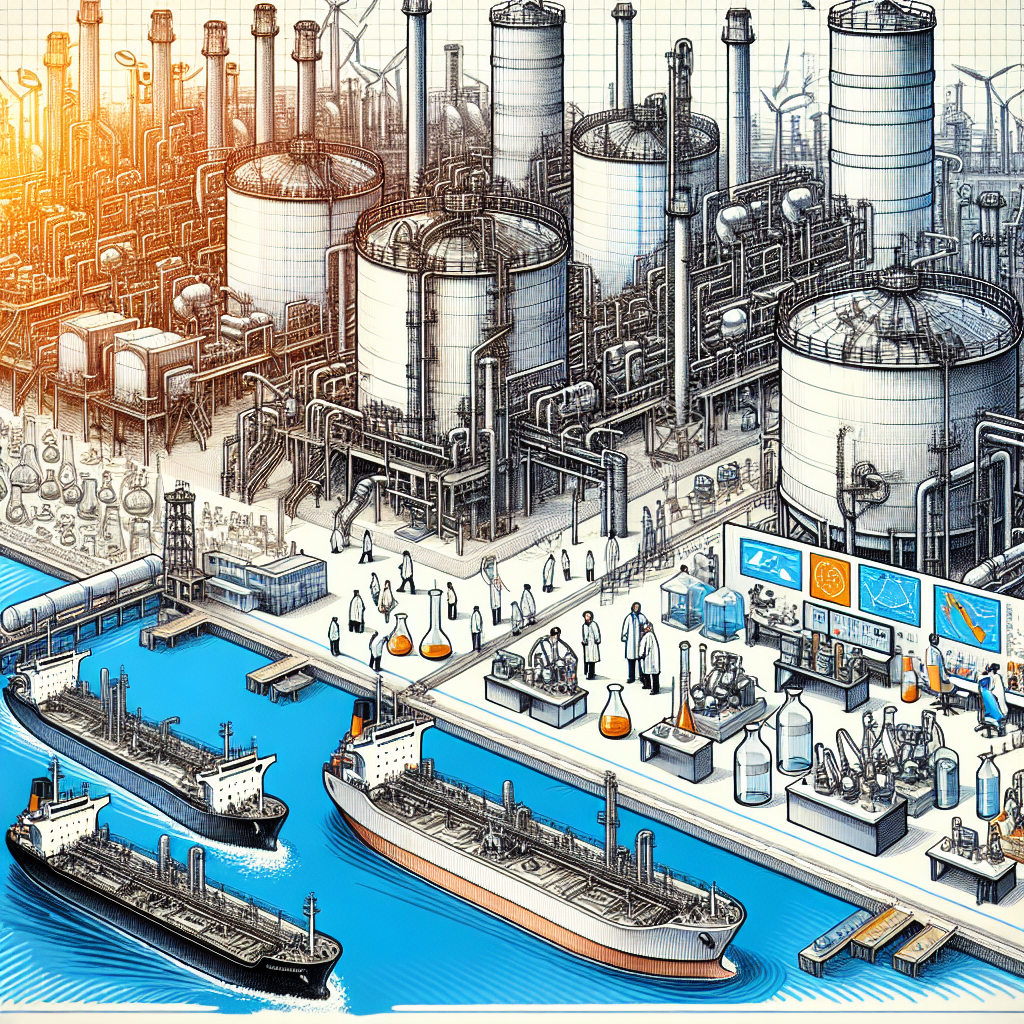
The African Development Bank Group (AfDB) has announced a pioneering initiative to address the pressing issue of hazardous chemicals and waste management in 11 Least Developed Countries (LDCs) in Africa. The project, titled "Scaling-up Investment and Technology Transfer to Facilitate Capacity Strengthening and Technical Assistance for the Implementation of Stockholm and Minamata Conventions in African LDCs – Phase 2" (AFLDC-2), represents a critical step towards sustainable chemicals management and environmental resilience.
The countries participating in this initiative are Angola, Ethiopia, The Gambia, Guinea, Liberia, Mauritania, Senegal, Sierra Leone, Togo, Uganda, and Zambia.
Funding and Multistakeholder Approach
The AFLDC-2 project is financed by a $21.3 million grant from the Global Environment Facility (GEF), with additional co-financing from various AfDB-supported urban, agricultural, and agro-industrial projects in the target countries.
The initiative is the first of its kind for the AfDB under the GEF's Chemicals and Waste Focal Area. It will employ a multistakeholder strategy, involving governments, private sector actors, and international organizations to strengthen regulatory frameworks, improve waste management infrastructure, and enhance enforcement capacities.
Addressing a Critical Challenge
African LDCs face significant risks from Persistent Organic Pollutants (POPs) and mercury due to limited infrastructure, inadequate policies, and weak enforcement mechanisms. These toxic substances, found in pesticides, Polychlorinated Biphenyls (PCBs), batteries, dental amalgams, and waste from open burning, pose severe threats to human health and ecosystems.
Global Commitments and Circular Economy Focus
The AFLDC-2 project aligns with international conventions such as the Stockholm and Minamata Conventions and global frameworks like the Strategic Approach to International Chemicals Management (SAICM).
Key objectives include:
- Eliminating stockpiles of obsolete chemicals.
- Reducing toxic emissions and pollutants.
- Promoting circular economy principles to minimize waste generation.
- Supporting environmentally sound practices across industries.
The project emphasizes knowledge-sharing and collaboration at national and regional levels, ensuring sustainable practices are embedded within local communities and industries.
Environmental and Public Health Benefits
By addressing the root causes of chemical pollution, AFLDC-2 aims to deliver substantial public health and environmental benefits. These include mitigating toxic exposure risks, reducing disease burdens, and enhancing community resilience to environmental hazards.
Statements from AfDB Leadership
Gareth Phillips, Manager for Climate and Environment Finance at AfDB, expressed optimism about the project's transformative potential.
"The AFLDC-2 project marks a pivotal milestone in Africa's efforts to tackle the challenges of hazardous chemicals and waste. It sets a strong precedent for future projects in this area and underscores the AfDB's commitment to creating a cleaner, healthier, and more resilient Africa," Phillips said.
Future Implications
This groundbreaking project is expected to serve as a model for sustainable chemicals management in Africa and beyond. By addressing the interconnected challenges of waste management, toxic emissions, and public health, it represents a significant step toward achieving long-term environmental sustainability and improved quality of life for millions of people.
With its innovative approach, the AFLDC-2 project highlights the importance of global partnerships and technology transfer in tackling complex environmental challenges in developing regions.
ALSO READ
-
African Development Bank Steps Up Push to Deliver Roads, Airport and Services in CAR
-
DRC Pushes Electricity Reforms to Protect Household Budgets and Unlock Power Investment
-
AfDB and Germany Join Forces to Connect Africa Through Better Rail
-
Morocco Secures €270 Million for Airport Upgrades as Passenger Demand Keeps Growing
-
AfDB Shifts Focus in CAR From Funding Projects to Fixing Delivery Bottlenecks


 Google News