

India's Maritime Sector Poised for Growth as Ports, Shipping, and Logistics Drive Economic Expansion
Shri Goyal highlighted the enormous potential in India’s shipbuilding industry and urged stakeholders to explore innovative ways to promote the sector.
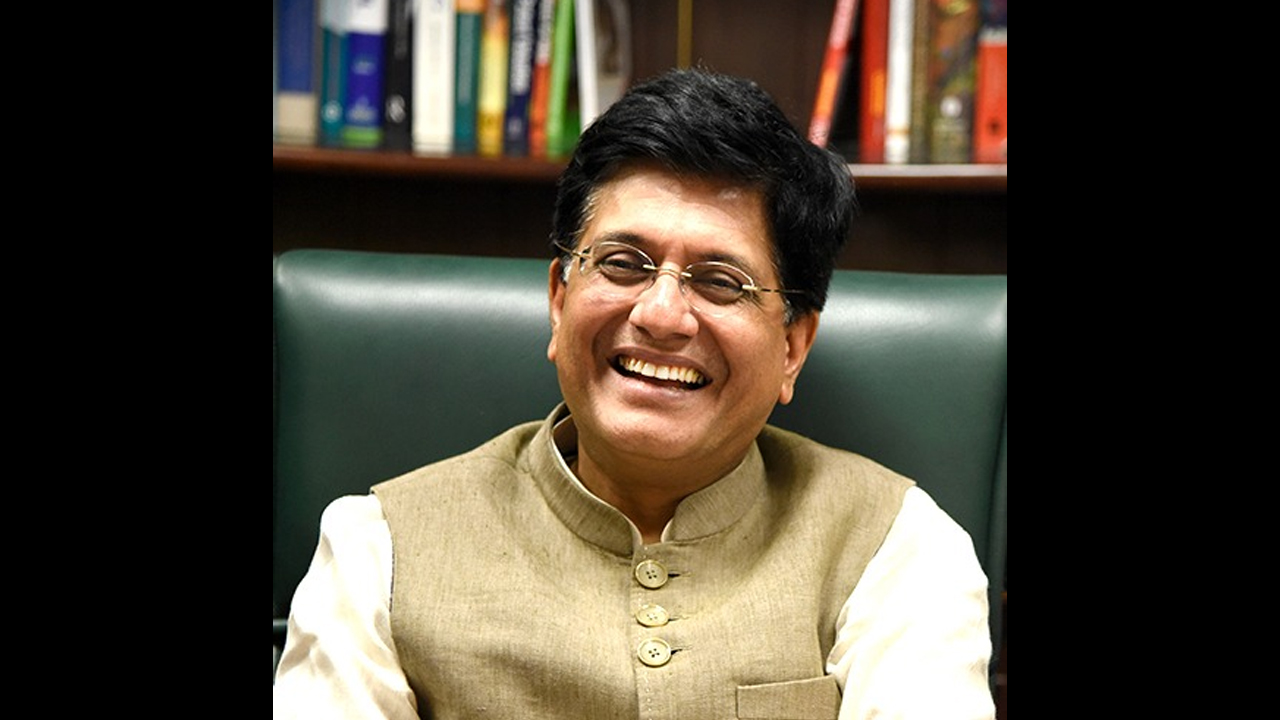
- Country:
- India
The ports, shipping, and logistics sectors play a crucial role in fueling India's economic growth, serving as the backbone of trade and commerce. Union Minister of Commerce & Industry, Shri Piyush Goyal, underscored this while addressing the 12th Biennial International Conference on Ports, Shipping & Logistics 2025 in Mumbai. Highlighting the strategic importance of maritime infrastructure, Shri Goyal emphasized the government's commitment to strengthening the sector, enhancing trade efficiency, and positioning India as a global shipping hub.
Boosting Shipbuilding and Flagging of Vessels
Shri Goyal highlighted the enormous potential in India's shipbuilding industry and urged stakeholders to explore innovative ways to promote the sector. He called for industry participation in making the flagging of vessels in India more attractive.
"India has a unique opportunity to leverage its cabotage regulations to promote imports via Indian-flagged vessels within WTO rules. However, a lack of sufficient flagged vessels prevents full utilization of these benefits," Shri Goyal stated. He encouraged industry leaders to propose measures at both the state and central levels to incentivize the registration of vessels under the Indian flag, ultimately boosting the country's maritime sector.
Expanding Port Capacity and Improving Logistics
India has made remarkable progress in the past decade by doubling its port capacity and significantly reducing ship turnaround times. However, Shri Goyal stressed the need for continued efforts to enhance the logistics ecosystem, ensuring that India's port infrastructure keeps pace with growing trade volumes.
With 95% of India's trade volume passing through its ports and a vast 7,500 km coastline serving as a gateway for commerce, Shri Goyal emphasized the sector's immense growth potential. "The logistics system must be optimized to handle the increasing traffic at ports efficiently," he said, highlighting the introduction of the Unified Logistics Interface Platform (ULIP) as a key step towards integrating logistics services. He called for additional ideas to develop a fully interconnected logistics ecosystem to facilitate seamless trade operations.
Enhancing Workforce Training and Infrastructure Development
Recognizing the rising demand for skilled seafarers, the Minister advocated for a hybrid mode of training that blends digital learning with hands-on experience. He also identified key areas requiring immediate improvement, including container ownership, domestic container manufacturing, accelerating export processing speeds, and reducing congestion at ports.
Shri Goyal emphasized that India remains an economic bright spot despite global trade disruptions. He expressed confidence that the maritime and logistics sector will play a vital role in achieving the vision of a 'Viksit Bharat' (Developed India), contributing significantly to the nation's economic and strategic growth on the global stage.
Towards a Future-Ready Maritime Sector
As India continues to emerge as a resilient player in the global trade landscape, Shri Goyal urged industry leaders and policymakers to collaborate on innovative solutions that will drive the maritime sector's expansion. The government's focus on shipbuilding, port modernization, and logistics efficiency is expected to further bolster India's standing as a premier destination for trade and shipping, ensuring sustainable economic growth in the years to come.


 Google News