

Tariff Tensions: U.S. Consumer Spending Hits Record Low
U.S. consumer spending fell for the first time in nearly two years in January and the trade deficit hit a record high. Factors include increased tariffs and sticky inflation, weakening economic growth forecasts. The Federal Reserve faces policy challenges amid fluctuating inflation and declining consumer confidence.
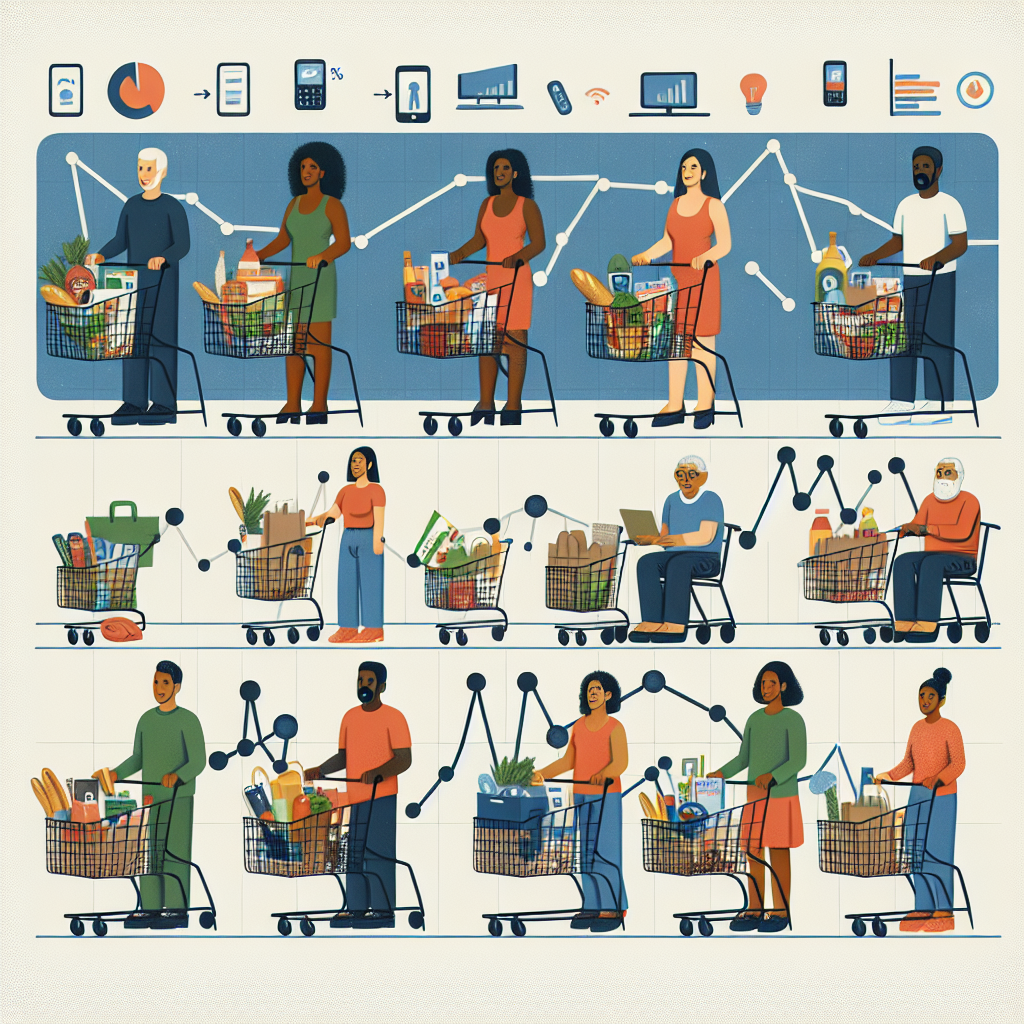
In a significant economic shift, U.S. consumer spending dropped in January for the first time in nearly two years. Simultaneously, the goods trade deficit reached an unprecedented high, prompting economic concerns across the nation.
This downturn is primarily attributed to businesses front-loading imports to circumvent tariffs. February's soaring inflation expectations further compounded challenges, with the Atlanta Federal Reserve slashing its growth estimates from an annualized 2.3% to a contractionary 1.5% rate.
As inflation continues to show resilience, experts warn of a nuanced monetary landscape for the Federal Reserve. Economic analysts, like Olu Sonola of Fitch Ratings, caution against potential policy conundrums, given how tariffs might adversely impact consumer and business sentiment.


 Google News