

Currency Shifts Amid Tariff Uncertainties and Economic Signals
The dollar weakens against the yen amid concerns over President Trump's tariff plans but holds steady against the euro. Despite fears of U.S. economic slowdown and inflation, optimistic tariff speculation stabilizes the greenback. Meanwhile, the euro experiences slight fluctuation, and the Australian dollar sees gains due to new tax cuts.
The dollar weakened against the yen on Tuesday amid ongoing uncertainties surrounding President Donald Trump's proposed tariffs. This shift in currency value comes after the dollar's rally on Monday, sparked by hopes of flexible tariff application, was offset by worries about U.S. economic growth and inflation.
Despite fears, optimism around the potential impact of tariffs has recently helped stabilize the dollar. Concerns about consumer confidence, however, persist as it dropped for the fourth consecutive month. Meanwhile, discussions on potential interest rate adjustments are ongoing in Japan and Europe, impacting currency dynamics further.
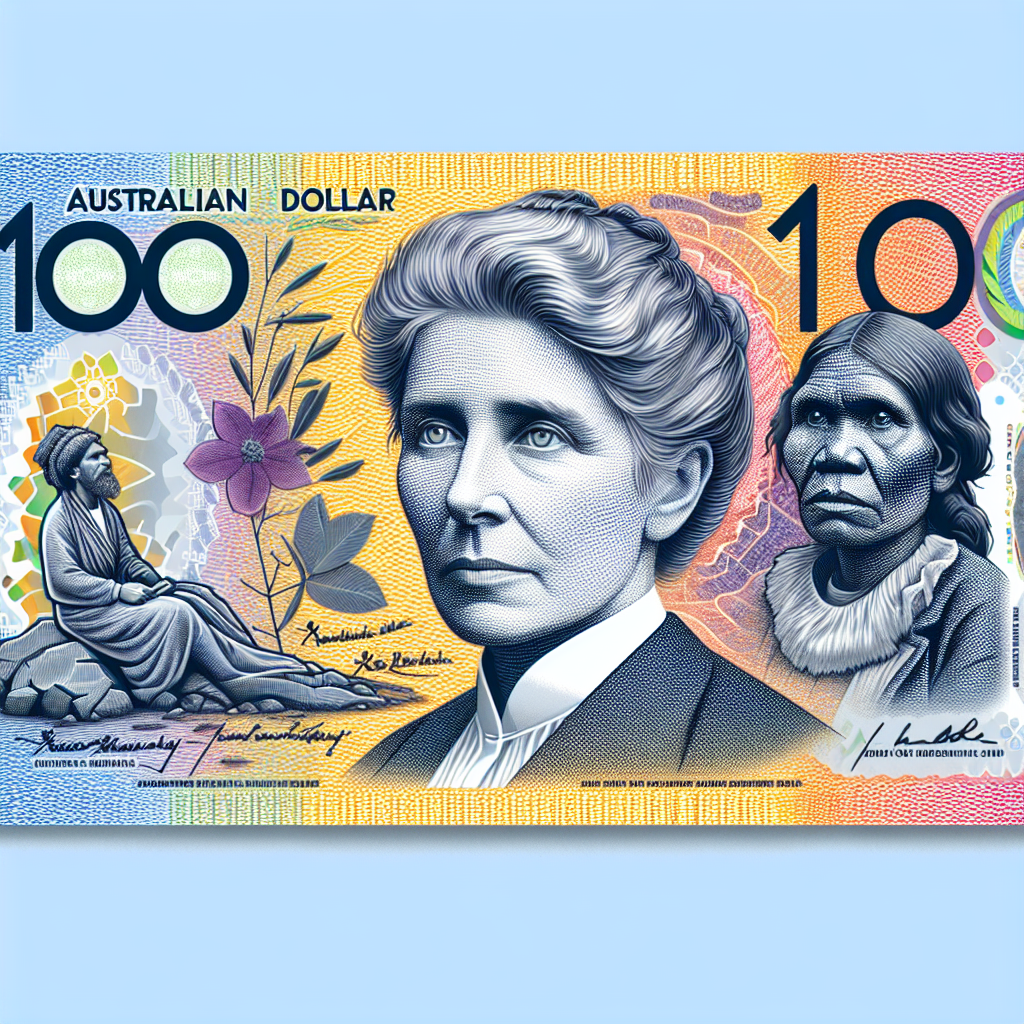
In other currency movements, Australia's dollar saw an uptick as the government unveiled tax cuts, while the British pound rose ahead of the UK finance minister's spring statement. Bitcoin faced a minor dip after its recent surge to a multi-week high. Plus, the U.S. has agreed on truce deals with Ukraine and Russia over the Black Sea, aiming to ease tensions in the region.


 Google News