

Chipping In: Nvidia and AMD's Revenue Deal with U.S. Sparks Controversy
Nvidia and AMD have agreed to give the U.S. government 15% of revenue from sales of advanced chips to China. The deal aims to regulate chip exports but raises questions about precedent, national security, and its impact on the companies' margins. Experts remain skeptical of the move's long-term implications.
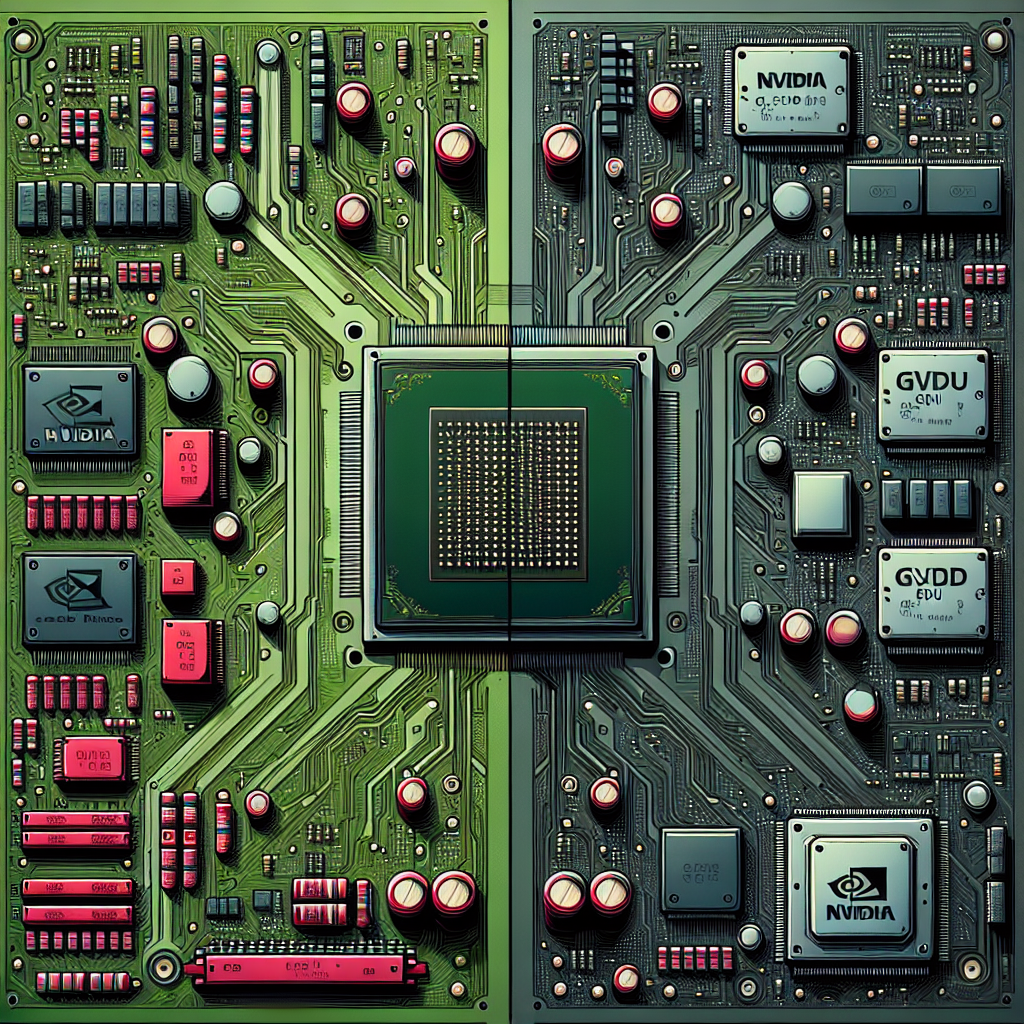
In a significant and unprecedented move, Nvidia and Advanced Micro Devices (AMD) are set to allocate 15% of their revenue from advanced chip sales to China to the U.S. government. This decision comes amidst an ongoing tug-of-war over technology access between Washington and Beijing, where national security concerns are paramount.
Trump's administration previously blocked sales of Nvidia's H20 chips, only to grant licenses recently, indicating a softening stance for the sake of U.S.-China trade negotiations over rare earth materials. However, industry experts challenge the logic behind resuming sales under revenue-sharing terms, citing concerns over loopholes in national security.
With China being a lucrative market, the agreement might seem like a strategic compromise. Still, the move could slice into Nvidia and AMD's profitability, potentially setting a wider precedent for similar future arrangements. The trade deal stirs debate on whether financial incentives should influence export control decisions.
ALSO READ
-
More Than Shorter Commute: How Compact Cities Can Help Migrant Workers Find Jobs
-
ILO Report Reveals How to Bring Social Security Within Reach of Informal Workers
-
WTO Sets Up Panel on EU Carbon Border Rules as Russia Challenges Restrictions
-
WHO Brings Global Experts Together to Strengthen Herbal Medicine Quality and Safety
-
Human Cost of Faster Work: Chinese Employees Weigh AI’s Promise Against Pay Fears


 Google News