

Germany's Economy: Signs of Growth Amid Challenges
German Chancellor Friedrich Merz foresees potential economic improvement following fiscal reforms, despite IMF concerns about medium-term prospects. Germany's economy struggles against aging demographics and low productivity, with projected gradual growth. IMF advises strategic use of fiscal space and EU market integration to support long-term economic progress.
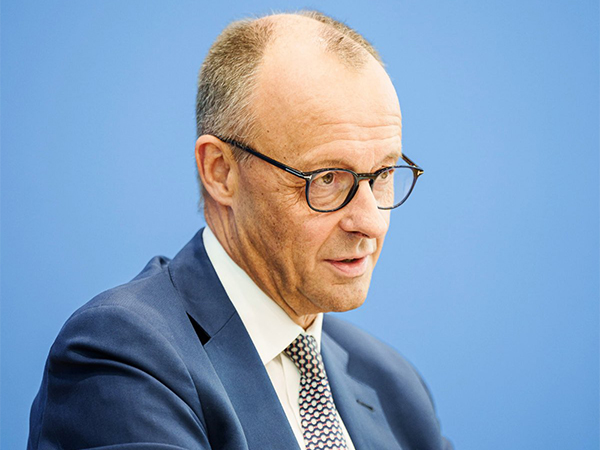
German Chancellor Friedrich Merz expressed optimism about the country's economic trajectory, following key fiscal reforms, despite warnings from the International Monetary Fund regarding limited medium-term prospects. Germany remains the only G7 nation to not expand economically over the past two years, with projections indicating a modest 0.2% growth this year, as per the IMF's latest report.
Merz acknowledged ongoing economic challenges, including geopolitical tensions, but highlighted indicators of recovery during a speech offered to the Bundestag. The IMF predicts gradual increases in domestic investment and consumption, forecasting GDP growth of 1.0% by 2026 and 1.5% by 2027, before concerns about an aging population and slow productivity growth become prominent.
Echoing these sentiments, IMF's European Department advisor Kevin Fletcher emphasized the need for timely and decisive action. He suggested bolstering long-term productivity through effective fiscal strategies, encouraging innovation, and enhancing the EU single market, which could prove advantageous for Germany's productivity and export potential.


 Google News