

Federal Reserve's Latest Rate Cut: Implications for Borrowers and Savers
The U.S. Federal Reserve has implemented another rate cut in 2025, aiding borrowers but challenging savers. Credit card rates have slightly decreased, providing minimal relief. Mortgage rates may benefit in the future. Savers face low yields. Upcoming economic data and potential for further cuts influence market trends.
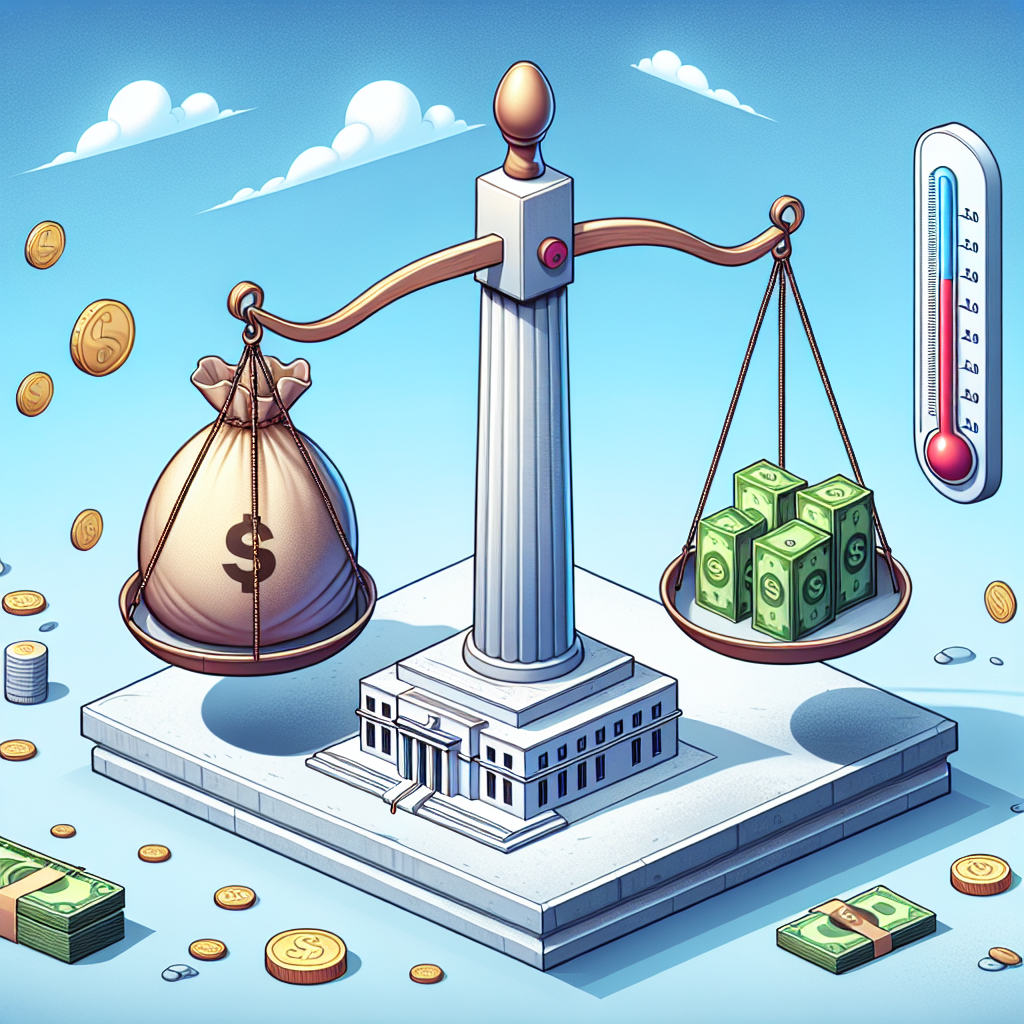
The U.S. Federal Reserve marked the end of 2025 with another strategic rate cut, aiming to support consumers amid an unpredictable economic landscape. The quarter-percentage point reduction follows two previous cuts within the year, slightly benefiting borrowers at the expense of savers.
Credit card rates have reached their lowest point since April 2023, though they remain notably high. The average APR on new card offers still hovers near 23.96%, though borrowers might find relief through debt consolidation. Similarly, mortgage rates may see a gradual decline, offering potential savings for refinancing opportunities.
However, savers face continued pressure with national savings account yields lingering low. In contrast, select high-yield accounts provide significantly better returns. The rate cut's effects ripple through short-term bonds, while anticipation of further cuts and controlled inflation could influence long-term market dynamics.
ALSO READ
-
Yen's Dive Post-BOJ Rate Hike: Market Watches for Next Moves
-
Trump's Rate War with the Fed: A High-Stakes Economic Drama
-
Global Shares Surge Amidst Central Bank Rate Decisions
-
Wall Street's Resurgence: Market Gains Amid Easing Pressures
-
Currency Movements Amid Fed's Rate Decisions: USD, Euro, Yen in Focus


 Google News