

Indonesia Sustains 5% Growth as World Bank Urges Digital Reforms for Quality Jobs
Government stimulus has supported private credit, consumption, and investment, while maintaining fiscal discipline and moderate inflation.
- Country:
- Indonesia
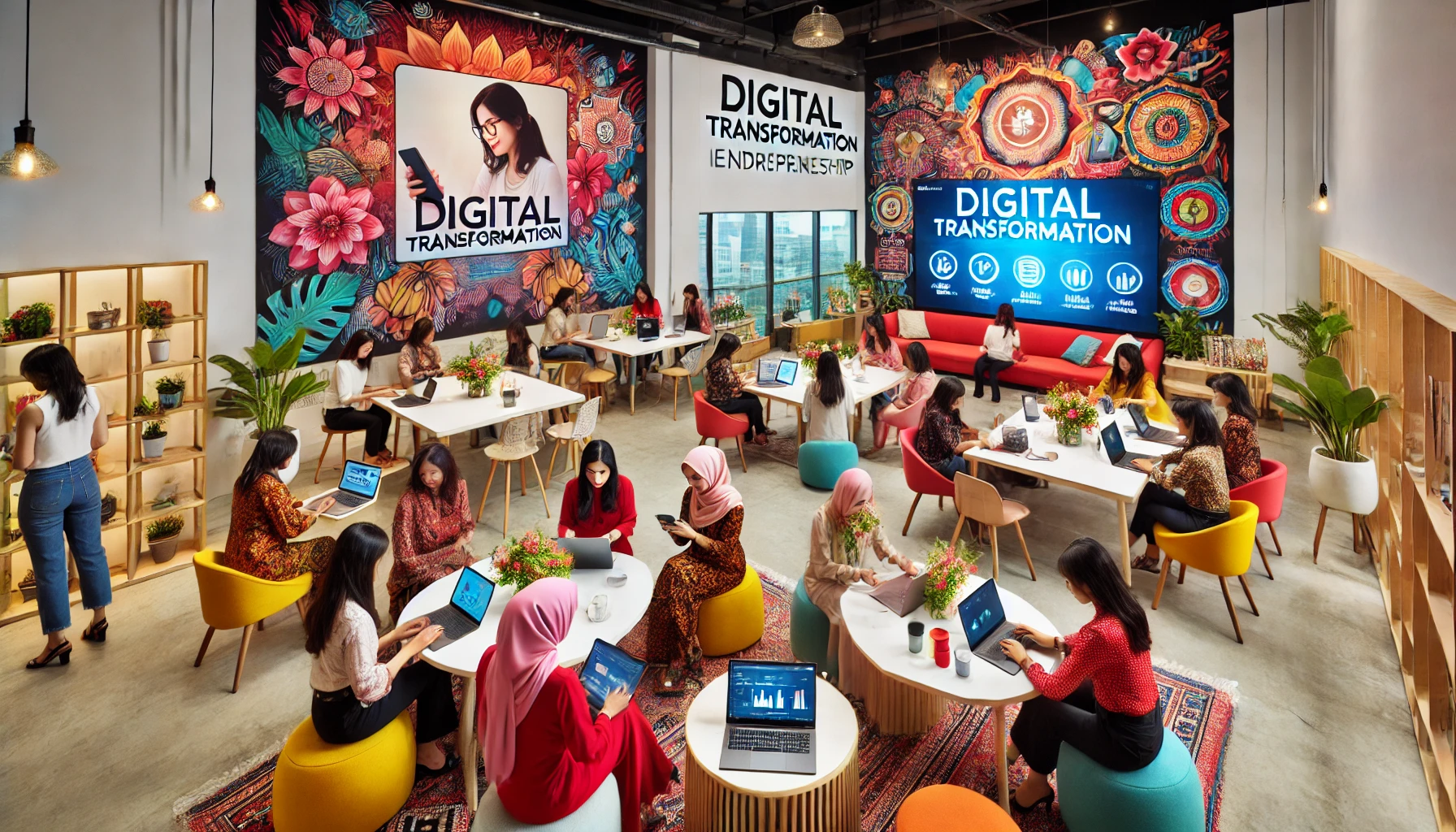
Indonesia's economy expanded 5.0% in the first nine months of 2025, with growth expected to remain around this level through 2026 and 2027, according to the World Bank's Indonesia Economic Prospects (IEP) December 2025 report titled "Digital Foundations for Growth." The report, released on 16 December 2025, notes that strong investment and net exports continue to anchor Indonesia's resilience amid global uncertainty.
Macroeconomic Stability but Persistent Labor Market Strains
Indonesia's monetary and fiscal policies have turned more accommodative in 2025. Government stimulus has supported private credit, consumption, and investment, while maintaining fiscal discipline and moderate inflation.
Yet, despite healthy macroeconomic indicators, the labor market is under strain. The economy is generating jobs, but mostly in low-value-added sectors, leaving many workers unable to secure middle-class wages. Alarmingly, real wages fell by 1.1% annually between 2018 and 2024, affecting household welfare and social mobility.
World Bank Division Director for Indonesia and Timor-Leste Carolyn Turk emphasized the need for deep structural reforms:
"Structural reforms can unlock productivity and drive the creation of better-paying jobs. Improving skills, fostering competition, and strengthening the business environment through digitalization will open more opportunities for Indonesia to move towards high-value employment."
Digital Transformation: A Critical Driver of Future Productivity
A central focus of the IEP is Indonesia's fast-growing digital economy—already the largest in ASEAN by gross merchandise value in 2025. However, its full potential is limited by gaps in infrastructure, quality, and usage.
Key challenges include:
-
Uneven internet quality across the country
-
Slower average internet speeds compared with regional peers
-
Limited high-speed access in rural areas, schools, and health centers
-
Fragmented data center regulation and investment barriers
Despite these issues, Indonesia has made notable progress. Rising connectivity and the government's strong commitment to digital public services, e-government, and AI adoption provide significant momentum for transformation.
World Bank Digital and AI Regional Practice Director Mahesh Uttamchandani praised Indonesia's direction:
"Indonesia's digital ambitions match the tremendous opportunities ahead… digital tools and AI open new opportunities for achieving Indonesia's development goals."
Digital Infrastructure as a Foundation for Inclusive Growth
The World Bank stresses that improving digital infrastructure is essential for boosting productivity, creating quality jobs, and strengthening competitiveness. Lead Economist David Knight underscored this point:
"Enhancing the reach and quality of digital infrastructure, supported by a predictable regulatory environment, will be key to unlocking the benefits of the digital economy."
Key Recommendations to Accelerate Indonesia's Digital Transformation
1. Network Access & Competition
-
Allocate more mobile broadband and 5G spectrum.
-
Expand open access to fiber networks and passive infrastructure, including electricity poles owned by PLN.
-
Reduce deployment costs and improve competition among operators.
2. Inclusive Connectivity & Affordability
-
Mobilize private investment to extend fixed broadband in rural areas.
-
Aggregate internet subscriptions from schools, clinics, and public facilities to boost demand and reduce costs.
-
Review Palapa Ring wholesale tariffs to ensure affordability in underserved regions.
3. Data Infrastructure & Governance
-
Create a more friendly investment environment for data centers with coordinated incentives and streamlined regulations.
-
Issue the long-awaited government regulation on personal data protection to improve digital trust and compliance.
Toward a More Productive and Inclusive Digital Economy
The report concludes that unlocking Indonesia's digital opportunity requires not just infrastructure, but also investment in digital skills, trust frameworks, and private-sector engagement. Strengthening these foundations will help Indonesia build a more inclusive, competitive, and innovation-driven economy, ensuring that growth translates into quality jobs and improved living standards for all Indonesians.


 Google News