

Global Aviation Crisis: Skyrocketing Fuel Prices Shake Airline Industry
A dramatic rise in jet fuel prices due to geopolitical tensions between the U.S., Israel, and Iran has substantially affected the aviation sector. Airlines globally are forced to raise fares, introduce surcharges, and modify financial forecasts. Notably, fuel costs constitute a significant portion of operational expenses.
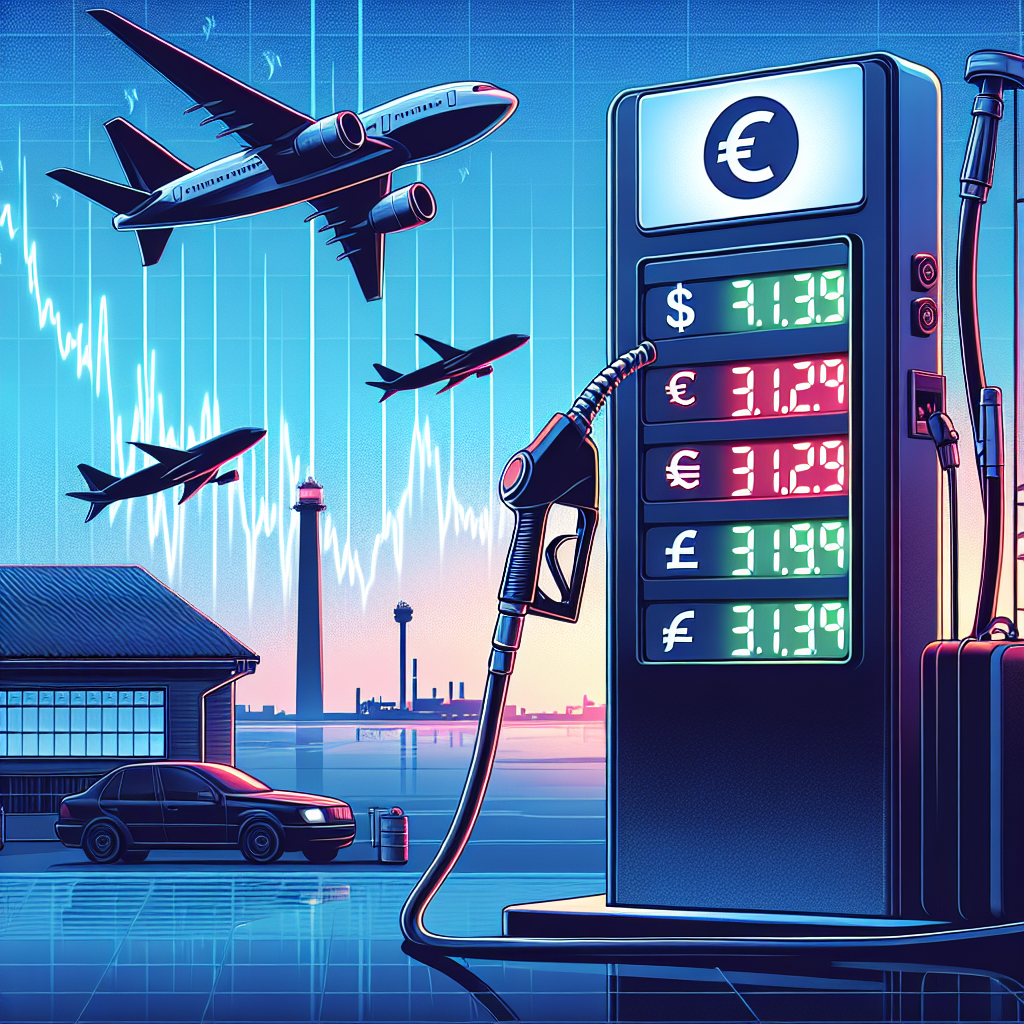
The international aviation industry faces an unprecedented challenge as jet fuel prices have surged dramatically, a consequence of the ongoing conflict involving the U.S., Israel, and Iran. This escalation in prices has necessitated several airlines globally to adjust their fiscal strategies, leading to increased airfares and reorganized financial outlooks.
With fuel costs now ranging from $150 to $200 per barrel, a sharp increase from previous levels, airlines are scrambling to mitigate the impact. As fuel represents up to a quarter of airline operating expenses, many carriers have resorted to implementing fuel surcharges and cutting unprofitable routes to balance their books.
From American Airlines anticipating a $400 million rise in costs, to SAS canceling flights due to unsustainable expenses, the aviation industry is reeling under the pressure. In response, some airlines have lobbied for government intervention, seeking tax reliefs, while others adjust fare structures to cope with these financial strains.


 Google News