

Jet Fuel Surge: Airlines Grapple with Sky-High Costs Amidst Global Oil Crisis
U.S. passenger airlines faced significant financial challenges as jet fuel costs soared to $5 billion in March, marking a 56% increase from February. The industry's crisis was further aggravated by the U.S.-Israeli conflict with Iran, leading to global oil market disruptions and rising fuel prices. Major carriers have responded with fare hikes and restructuring measures.
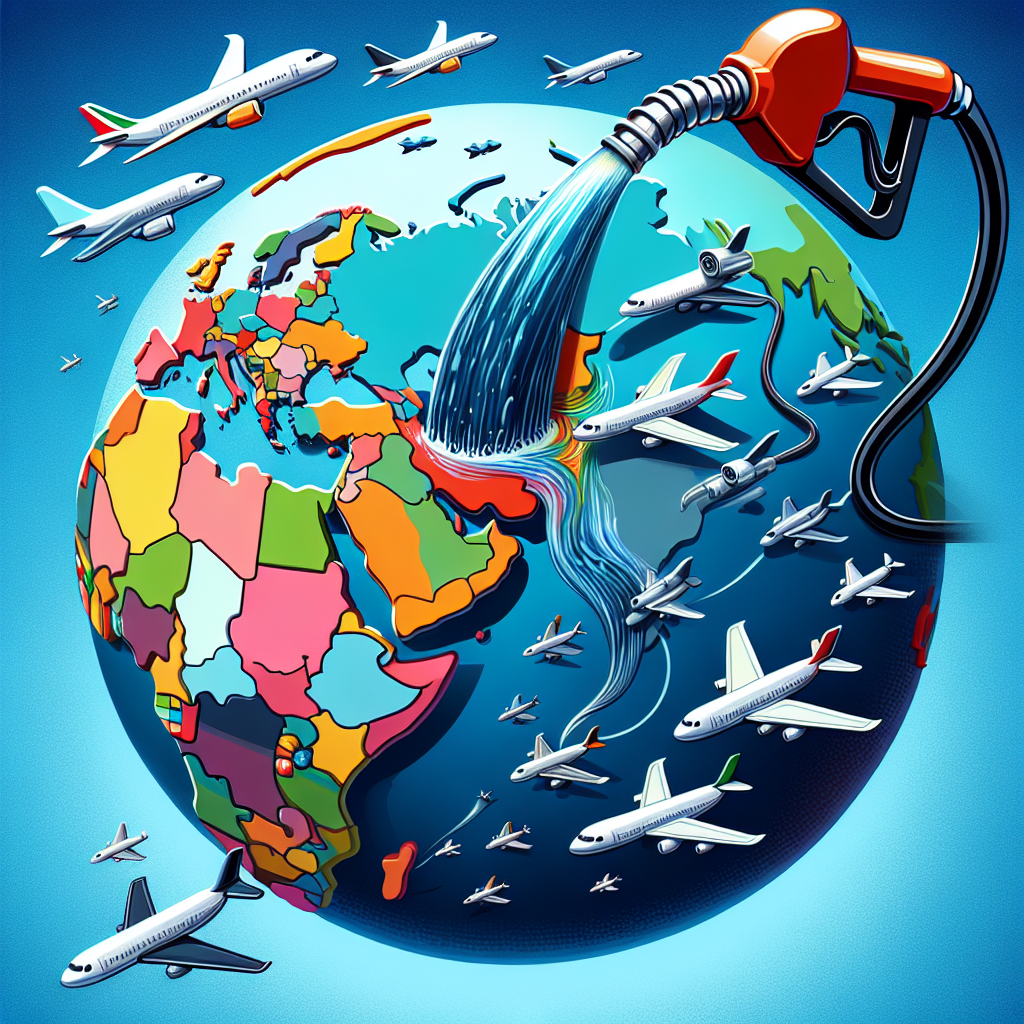
U.S. passenger airlines are contending with substantial financial strain as jet fuel expenses surged to over $5 billion in March—a 56% hike from February. This increase, highlighted by the U.S. Transportation Department, includes a 31% rise in fuel costs per gallon.
The onset of the U.S.-Israeli war with Iran has caused disruptions in the Strait of Hormuz, unsettling global oil markets and thrusting the air travel industry into its gravest crisis since the pandemic. Airlines spent $3.88 billion on jet fuel in March 2025, significantly less than the $5.06 billion incurred this March, underscoring the impact of geopolitical tensions.
In response, major U.S. carriers have elevated airfares and baggage fees, curtailed routes, and enacted various cost control measures. Fuel comprises up to a quarter of airline operating expenses. This spike in fuel costs was a decisive factor in Spirit Airlines ceasing operations, as they couldn't sustain the additional $100 million in fuel expenses.


 Google News