

Saloum Delta Women and Youth Bring Mangrove Honey and Shellfish to New Buyers in Dakar
For producers developing their skills and businesses, the “Made in the Saloum Delta” event opened conversations about what it takes to supply hotels, restaurants and distributors.
- Country:
- Senegal
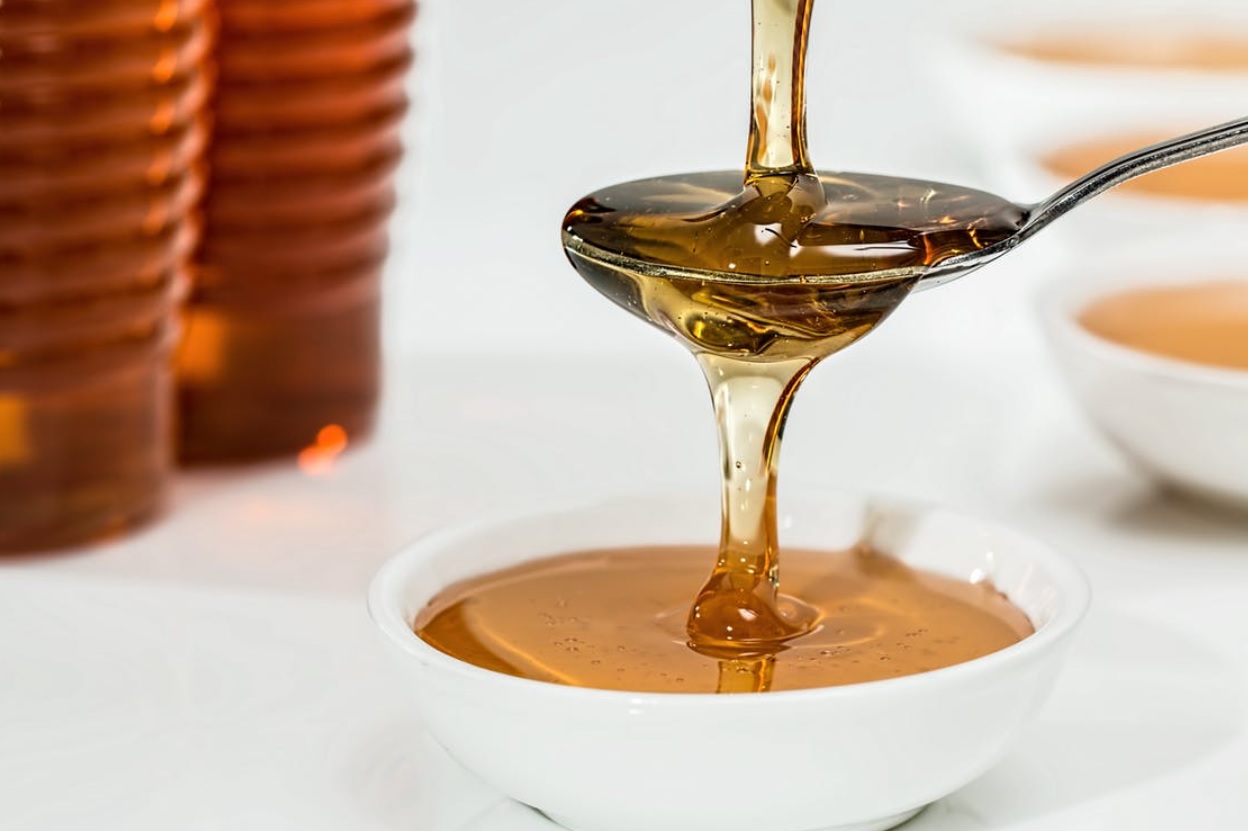
Mangrove honey, oysters and ark clams brought a taste of Senegal's Saloum Delta to Dakar on 10 October 2026, giving the women and young people behind these products an opportunity to meet professional buyers. For producers developing their skills and businesses, the "Made in the Saloum Delta" event opened conversations about what it takes to supply hotels, restaurants and distributors.
The event formed part of the "Green Jobs for Women and Youth in the Saloum Delta" project, implemented by the International Labour Organization (ILO) with funding from Germany's Federal Ministry for Economic Cooperation and Development (BMZ). The project supports decent employment linked to the Delta's natural resources through training, green entrepreneurship, producer organisation, market access and social protection.
Building Skills and Businesses Close to Home
The figures presented in Dakar showed the reach of the work across Delta communities: 530 women and young people received training in modern oyster and ark clam farming, 407 learned beekeeping techniques and 400 were trained in green entrepreneurship. Another 20 young people learned to construct beehives and now manufacture them locally, adding a new business activity to the honey production chain.
Fifteen cooperative societies have been established under the OHADA Uniform Act relating to cooperative societies, giving producers recognised legal status and a stronger basis for entering contracts. This organisation matters when buyers need dependable suppliers who can agree on quantities, quality and delivery arrangements.
Social protection has also become part of the project's support. Health insurance now covers 3,471 people, and two agricultural insurance products have been developed for honey and shellfish production. In total, 1,200 jobs have been created or supported, with the project reporting 70 per cent for women and 30 per cent for young people.
Samira Daoud, Director of the ILO Decent Work Technical Support Team and Country Office for Dakar, placed the people behind those figures at the centre of the event. "First and foremost, these are the stories of women and young people from the Saloum Delta," she said.
Turning Tastings Into Business Conversations
Exhibitions, tastings and business-to-business meetings gave producers and processors direct access to professional buyers, with discussions covering quality, volumes, prices, packaging and supply arrangements.
Participating beekeepers and women processors said they valued the exchanges, which helped them understand buyers' expectations and identify potential business opportunities. The meetings gave them room to present their skills and products as suppliers with something concrete to offer the market.
Preparations for wider sales are already taking shape. Fifty honey and shellfish products have obtained Manufacturing and Marketing Authorization, known as FRA, and a "Saloum Delta" territorial label is being finalised.
A marketing start-up has been created to connect the 15 cooperatives with buyers, bring together their available supply, support quality assurance and help monitor contracts. These functions can help producers manage the practical demands that come with supplying professional customers.
Daoud linked these commercial relationships to both household livelihoods and the environment, saying that contracts with Delta cooperatives offer families greater income stability and another reason to preserve the mangrove.
Growing Livelihoods Without Losing the Mangrove
Chairing the ceremony, Maître Ousmane Diagne, the minister responsible for livestock, said the Delta experience demonstrated how training, producer organisation and stronger market connections could turn largely informal activities into a more structured value chain.
He emphasised that women and young people should have opportunities to start businesses, innovate and create jobs, with a role extending beyond receiving support from public programmes. The event offered a platform to show what their skills and home regions could contribute.
Diagne called for lessons from the project to inform consideration of expansion across Senegal's seven beekeeping regions.
The Delta initiative connects employment and economic independence with the protection of the resources on which these businesses depend. Its longer-term value will rest on whether training, cooperatives and buyer relationships translate into lasting improvements for producers and their communities.
For the ILO and its partners, the next task is to consolidate that progress: helping businesses maintain standards, develop dependable commercial relationships and sustain decent jobs alongside mangrove conservation.
ALSO READ
-
Ecuador Reviews Sectoral Minimum Wages With ILO as Jobs and Skills Continue to Change
-
Libya’s Business Chambers Work With ILO to Turn Training Into Better Member Services
-
ASEAN’s New Migration Push: What Fair Recruitment Could Mean for Businesses and Their Consumers
-
ILO Launches $20 Million ASEAN Programme to Protect Migrant Workers and Build Skills
-
ILO Urges Wider Fishing Treaty Adoption to Fight Forced Labour and Protect Crews


 Google News