

Nigerian Farmer Finds a Fresh Start With Wheat After Struggling to Make Maize Pay
“I rushed to the Federal Ministry of Agriculture and Food Security, Kano State office, to register for the programme and I also invited other friends,” Bashir recalled.
- Country:
- Nigeria
Salma Bashir had two university degrees in agriculture, but making a living from farming proved harder than studying it. After two years growing maize on half a hectare in Kura Local Government Area of Nigeria's Kano State, the 31-year-old walked away because she could not produce enough to earn a decent profit. The Nigeria Agricultural Growth Scheme–Agro Pocket offered access to subsidized inputs and support for smallholder farmers, giving Bashir a reason to try again, this time with wheat on one hectare.
Seeds, Training and Buyers Gave Her a Stronger Start
"I rushed to the Federal Ministry of Agriculture and Food Security, Kano State office, to register for the programme and I also invited other friends," Bashir recalled. She enrolled for the 2024/25 dry season to grow wheat, a crop that remains underutilized in Nigeria but is gaining popularity. Her support package included climate-smart certified seeds, fertilizers suited to her farmland's soil, herbicides and pesticides, all subsidized by the Nigerian government.
The Kano State Ministry of Agriculture's extension division provided training to help her improve farming practices and manage the land as a business. Bashir said the guidance strengthened her confidence and farm management skills. Flour Mills of Nigeria, one of the country's largest food and agro-allied groups, connected her with buyers for the wheat, giving her greater confidence that the harvest would find a market.
The African Development Bank Group provided $170 million for the Agro Pocket programme through its Africa Emergency Food Production Facility. The wider $1.5 billion facility was established to help African countries increase food production following supply disruptions caused by the Russia–Ukraine conflict and other global shocks.
A First Wheat Harvest Changed What Farming Could Offer
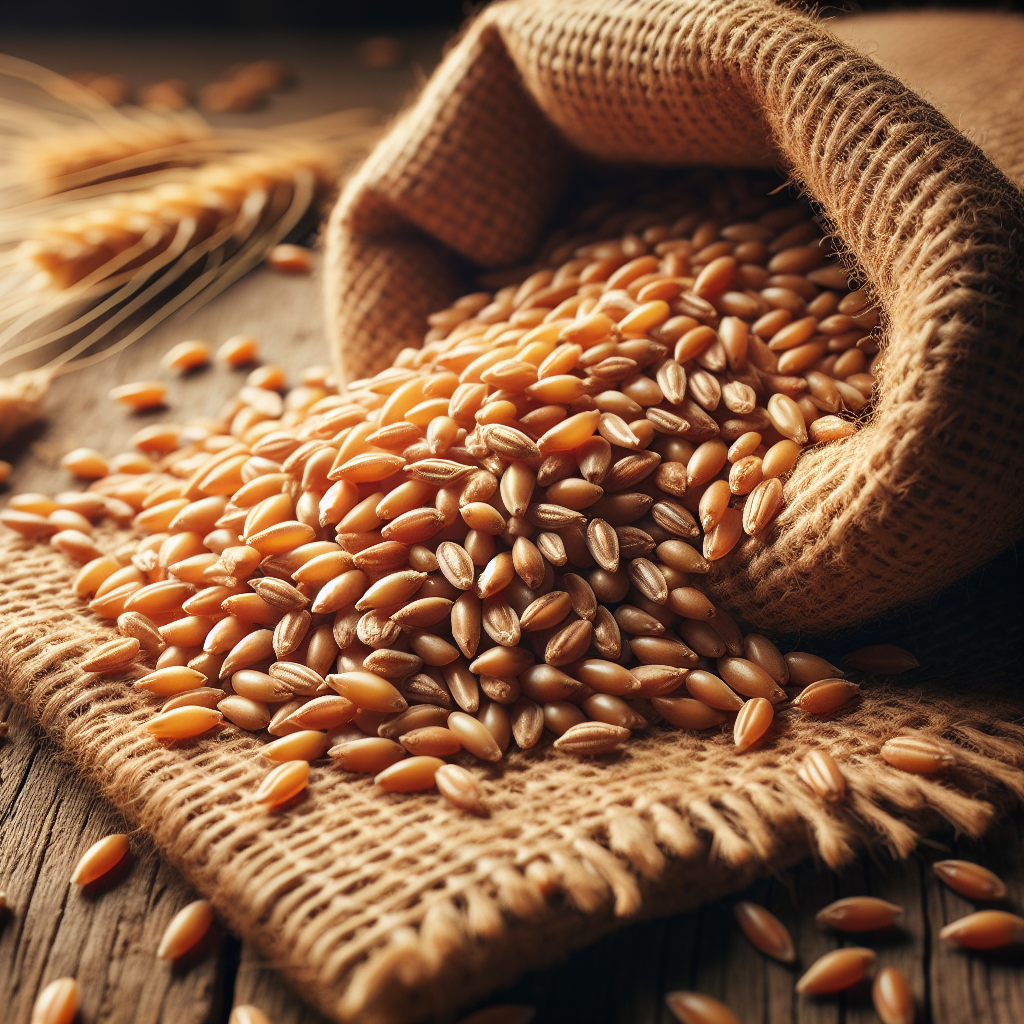
By the end of the season in April 2025, Bashir harvested 52 bags of wheat weighing about 50 kilograms each. Her total production reached roughly 2.6 tonnes, and she sold the crop for N1,040,000, approximately $800.
Project organizers said the yield fell below the programme's goals, though it was a respectable result for a first-time wheat farmer. For Bashir, the money exceeded what she had imagined possible from farming.
She recalled earning N220,000, about $200, during her earlier experience with maize. The wheat harvest changed her view of farming from what she described as a "sufferable enterprise" into a business she wanted to continue.
The improvement was felt at home through her ability to cover family expenses, make modest home improvements and save for the next planting season. Having money to reinvest gave her a practical reason to stay in agriculture.
"I really appreciate the African Development Bank for their support because they have made my dreams come true," she said.
Smallholder Support Connects Livelihoods With Food Security
Bashir hopes the programme will continue so more farmers can obtain affordable fertilizers, climate-smart seeds and other inputs, helping them produce for local and international markets.
Ishaku Ado Buba, the government's national project coordinator, said the scheme is drawing both younger and older farmers into food production. Wheat is among its priority crops because greater domestic output could help reduce Nigeria's food import bill.
The bank's task manager, Tabi Karirkari, said Bashir's experience reflects that of more than 700,000 smallholder farmers in rural Nigeria. He described cooperation with governments and private businesses as central to improving farming livelihoods and food and nutrition security.
The programme also supports national efforts to stabilize food prices and reflects the African Development Bank Group's Four Cardinal Points strategic vision through economic opportunities for women and young people and farming that is more resilient to climate pressures and other shocks.
For Bashir, those ambitions became tangible in a successful first wheat harvest, money saved for another season and renewed confidence in the career she had once abandoned.
ALSO READ
-
Nigeria’s Cocoa and Dairy Businesses Get €85m Boost From EIB Global and FCMB
-
Nigeria Has More Money to Spend, but Can Its States Turn Revenue Gains Into Better Living Standards?
-
Turning Maize Waste Into Opportunity: The Support Nigeria’s Smallholder Farmers Need
-
Nigeria Launches $5 Billion AgriConnect Plan to Back Farmers and Create 2.5m Jobs


 Google News