

Sports Brands Should First Inspire Women Working in their Factories
- Country:
- Cambodia
Sports brands are working towards inspiring and empowering women. And for a change, they should also give a serious thought of supporting the women working their factories. Reports state that 80 to 85 per cent of the workers in the garment factories in Asian countries are women. The companies filling social media feeds with exhortations to dream big then turn around and pay their workers so little that paying the electricity bill is an impossible dream.
In 2018, the Clean Clothes Campaign in its report 'Foul Play' highlighted that only 2.5 per cent of the cost of your Nike or Adidas shoe goes to women on the production lines, and that percentage drops every year. The report stated that the marketing budget for both companies has risen by above a fifth. That budget includes marketing gimmicks such as the Dream Crazier video from Nike targeted at sportswomen and seen more than nine million times since February. The video tells women they are seen as delusional for dreaming of equal opportunities to men, which is exactly what most garment workers must feel when looking at their lives.
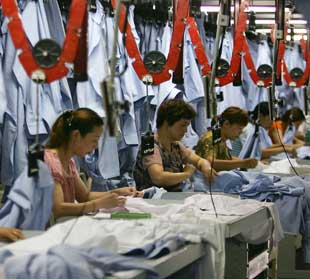
Almost every sports brand has production lines in Asian factories including Nike, Puma, Asics, Adidas, Reebok, Under Armour and New Balance with varying levels of commitment to working conditions. The women making the sports gear typically work in factories on the outskirts of large cities. They stay in rows of concrete bungalows, each small room filled with a double bed shared by two or more women. A Cambodian activist with the Workers' Information Centre said workers hide pregnancies because they are let go when it shows.
In 2015, a United Nations report found the abortion rate among garment workers in Cambodia is more than three times higher than in the general female population. "You have women stitching maternity sportswear who are afraid to become pregnant themselves. If they do have children and take up a new position afterwards, the children are usually sent to live with their grandparents in a rural village." The report highlighted the 2013 incident in Bangladesh when more than 1,000 garment workers died in a building collapse. Many promises were made by clothing brands but only some have fulfilled.


 Google News