

Govt sets record high CPSE stake sale target of Rs 1.05 lakh cr
- Country:
- India
The government will initiate privatization of CPSEs, including Air India, as it sets a record high disinvestment target of Rs 1.05 lakh crore that will see the government lowering its stake in some CPSEs to below 51 percent. While the strategic sale will entail outright privatization in some CPSEs, the government's direct holding can be brought down below 51 percent but the effective control will remain with the government after considering the holding of other state-owned entities, like Life Insurance Corporation.
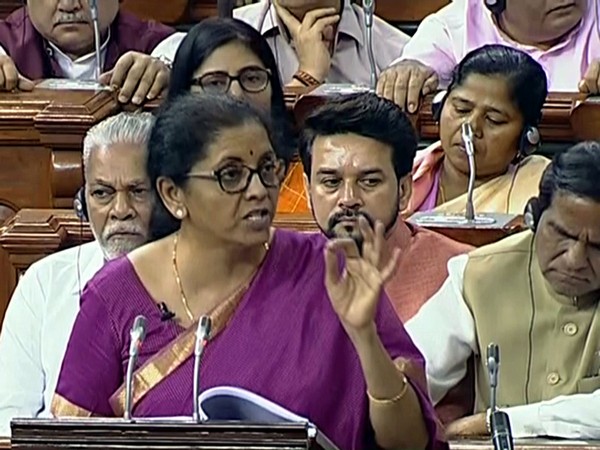
Presenting the Budget 2019-20, Finance Minister Nirmala Sitharaman said the government has been following the policy of disinvestment in non-financial public sector undertakings maintaining the government stake not to go below 51 percent. "The government is considering, in the case where the undertaking is still to be retained in government control, to go below 51 percent to an appropriate level on case to case basis. Government has also decided to modify the present policy of retaining 51 percent government stake to retaining 51 percent stake inclusive of the stake of government-controlled institutions," she said.
The government has set an all-time high disinvestment target of Rs 1.05 lakh crore, up from Rs 90,000 crore projected in Interim Budget 2019-20 in February. In 2018-19, the government raised Rs 84,972 crore from CPSE disinvestment, while in 2017-18, the figure was Rs 1,00,056 crore.
"Strategic disinvestment of select CPSEs would continue to remain a priority of this government. In view of the current macro-economic parameters, the government would not only reinitiate the process of strategic disinvestment of Air India but would offer more CPSEs for strategic participation by the private sector," Sitharaman said, adding consolidation of CPSEs will also continue. Speaking to reporters after the Budget presentation, the minister said the Rs 1.05 lakh crore target is "very realistic" and disinvestment is a reform agenda which needs to be pushed because "we do not want the economy to stagnate".
"We did announce about government reducing holding (below 51 percent), but yet there are two or three different government agencies, altogether, holding it over and above 51 percent. We thought it should be opened up. Government still retains its ownership, but if you open it up, you are at least giving the opportunity to let us say small retail purchasers," she said. To improve the capital flows into the Indian economy, it is important to align domestic corporate systems and practices with global ones, the minister.
"Government intends to further encourage retail participation in CPSEs which, of late, have shown encouraging the upward trend. In order to provide additional investment space, the government would realign its holding in CPSEs, including banks, to permit greater availability of its shares and to improve depth of its market," Sitharaman said. Having raised over Rs 45,000 crore from exchange-traded funds last fiscal, she said ETFs have proved to be an important investment opportunity for retail investors and have turned out to be a good instrument for the divestment program.
"To expand this further, the government will offer an investment option in ETFs on the lines of equity-linked savings scheme (ELSS). This would also encourage long-term investment in CPSEs," she added. For bringing better public ownership of the PSUs and also bring greater commercial and market orientation of the listed PSUs, the government will take all necessary steps to meet public shareholding norms of 25 percent for all listed PSUs, the minister said.
Further, the government will raise the foreign shareholding limits to maximum permissible sector limits for all PSU companies which are part of Emerging Market Index, Sitharaman said.


 Google News