

Generative AI and education: A partnership to foster integrity, not undermine it
Despite its benefits, GAI’s misuse remains a valid concern. Critics argue that these tools could enable shortcuts, diminishing the value of traditional assessments like essays and exams. To counter this, the study advocates for reimagined assessment practices. Instead of rote memorization, educators could prioritize authentic tasks such as project-based learning, oral presentations, and problem-solving activities that demand critical thinking and original insights.
 COE-EDP
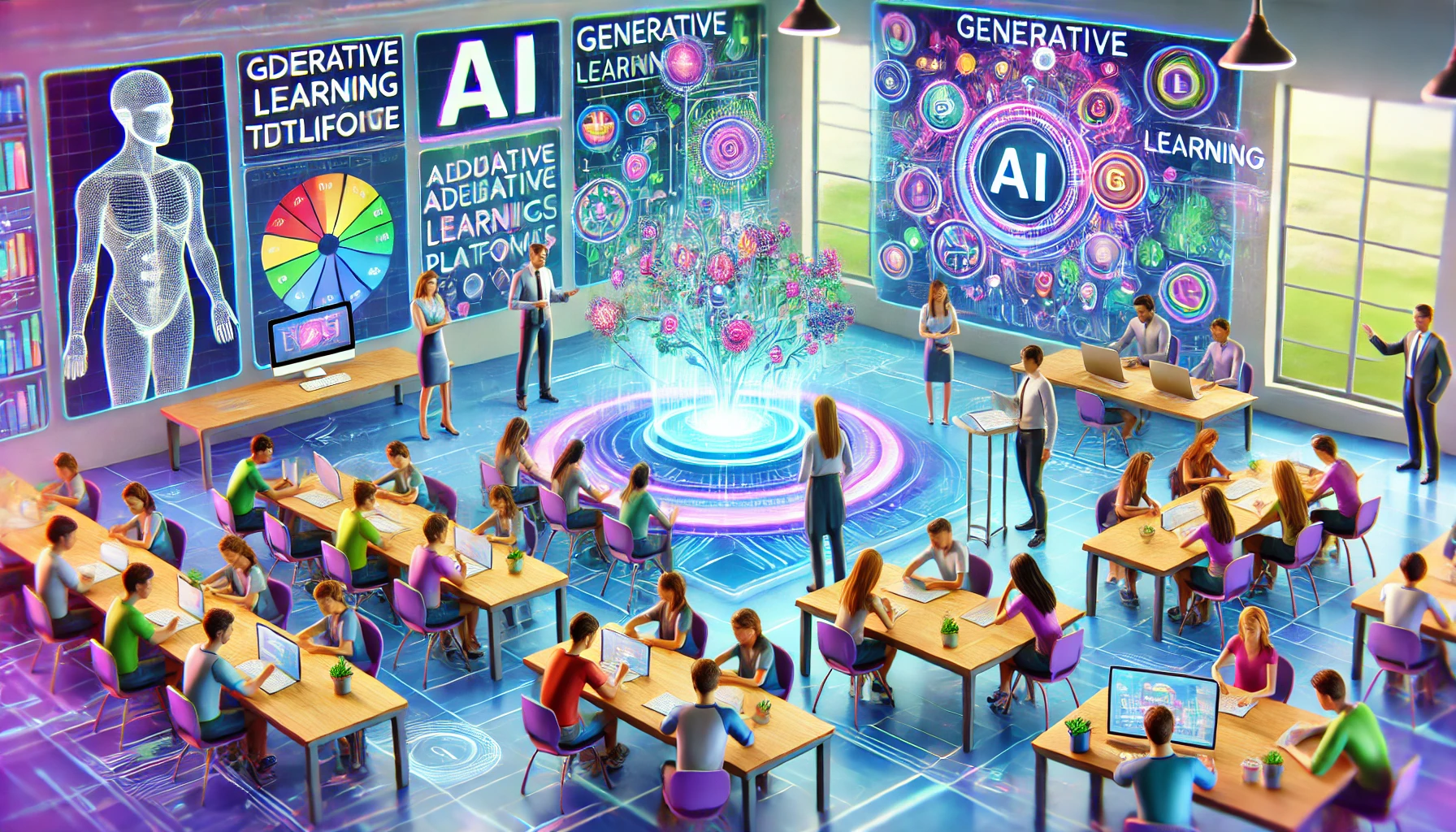
The dawn of generative artificial intelligence (GAI) is transforming education at a pace unparalleled in history. From personalized learning to real-time tutoring, AI promises to revolutionize how students engage with knowledge. Yet, as classrooms embrace these cutting-edge tools, a pressing question looms: can we harness AI's potential without compromising the core values of academic integrity?
Addressing these issues, the study titled "Shaping Integrity: Why Generative Artificial Intelligence Does Not Have to Undermine Education" by Myles Joshua Toledo Tan and Nicholle Mae Amor Tan Maravilla, published in Frontiers in Artificial Intelligence in October 2024, explores how GAI can enhance education while maintaining ethical standards.
Transforming the educational landscape
Generative AI tools, such as adaptive learning platforms and intelligent tutors, have revolutionized the way students engage with educational content. These technologies enable personalized feedback, fostering a tailored learning environment that addresses the unique needs of each student. According to a 2023 report by the World Economic Forum, 60% of educators in advanced economies now utilize AI in classrooms, a significant increase from just 20% five years ago.
However, with great potential comes equally significant challenges. Studies highlight that 58% of students admitted to using AI tools dishonestly, such as for completing assignments or crafting essays without genuine effort. This underscores the urgent need to rethink how these tools are integrated into educational frameworks to ensure that they promote academic integrity rather than undermining it.
Ethical frameworks for AI integration
The study draws on established ethical theories to advocate for the responsible use of GAI in education. Deontological ethics, emphasizing adherence to moral principles such as honesty and fairness, calls for AI systems designed to respect student rights, privacy, and academic integrity. For example, AI tools should not merely facilitate task completion but actively promote deeper engagement with content.
Conversely, consequentialist principles focus on outcomes, arguing that the benefits of AI - such as improved learning outcomes and reduced educational inequities - justify its adoption when used responsibly. By maximizing positive impacts, GAI can help educators craft learning experiences that align with ethical and academic goals.
Enhancing learning through constructivist theory
GAI aligns seamlessly with constructivist learning principles, which posit that students build knowledge through active engagement and exploration. By providing interactive simulations, personalized feedback, and adaptive content, AI empowers students to construct meaningful connections with educational material.
For instance, in a history class, an AI tool could generate simulations of the Industrial Revolution, allowing students to manipulate variables such as labor policies and industrial growth. This hands-on approach fosters a deeper understanding of historical complexities, transforming passive consumption of information into active discovery. Similarly, in creative writing, AI can guide students in refining narratives, enhancing both their technical skills and their critical thinking abilities.
These examples highlight how GAI can encourage genuine learning, reducing reliance on dishonest practices by making the educational process engaging and rewarding.
Self-determination theory: Fostering intrinsic motivation
The study emphasizes that GAI can support self-determination theory (SDT), which identifies autonomy, competence, and relatedness as key drivers of intrinsic motivation. By tailoring learning experiences to individual interests and abilities, AI tools empower students to take ownership of their education.
For example, an AI-powered math tutor might identify areas where a student struggles, providing targeted exercises to build competence. Meanwhile, collaborative AI tools can facilitate group projects, fostering relatedness and shared goals among peers. These experiences not only enhance motivation but also promote academic integrity, as students take pride in their authentic achievements.
Addressing challenges and misuse
Despite its benefits, GAI's misuse remains a valid concern. Critics argue that these tools could enable shortcuts, diminishing the value of traditional assessments like essays and exams. To counter this, the study advocates for reimagined assessment practices. Instead of rote memorization, educators could prioritize authentic tasks such as project-based learning, oral presentations, and problem-solving activities that demand critical thinking and original insights.
Additionally, institutions must develop policies that ensure ethical use of AI, addressing issues such as data privacy, algorithmic bias, and transparency. By combining AI insights with human judgment, educators can maintain fairness and reliability in assessments.
- FIRST PUBLISHED IN:
- Devdiscourse


 Google News