

German Politics Rejects Far-Right Collaboration Ahead of Elections
German Chancellor Olaf Scholz and likely successor Friedrich Merz commit to not collaborating with the far-right Alternative for Germany (AfD) ahead of national elections. Both leaders addressed parliament, rejecting any cooperation with the AfD, which is polling second. Coalition talks could extend post-election.
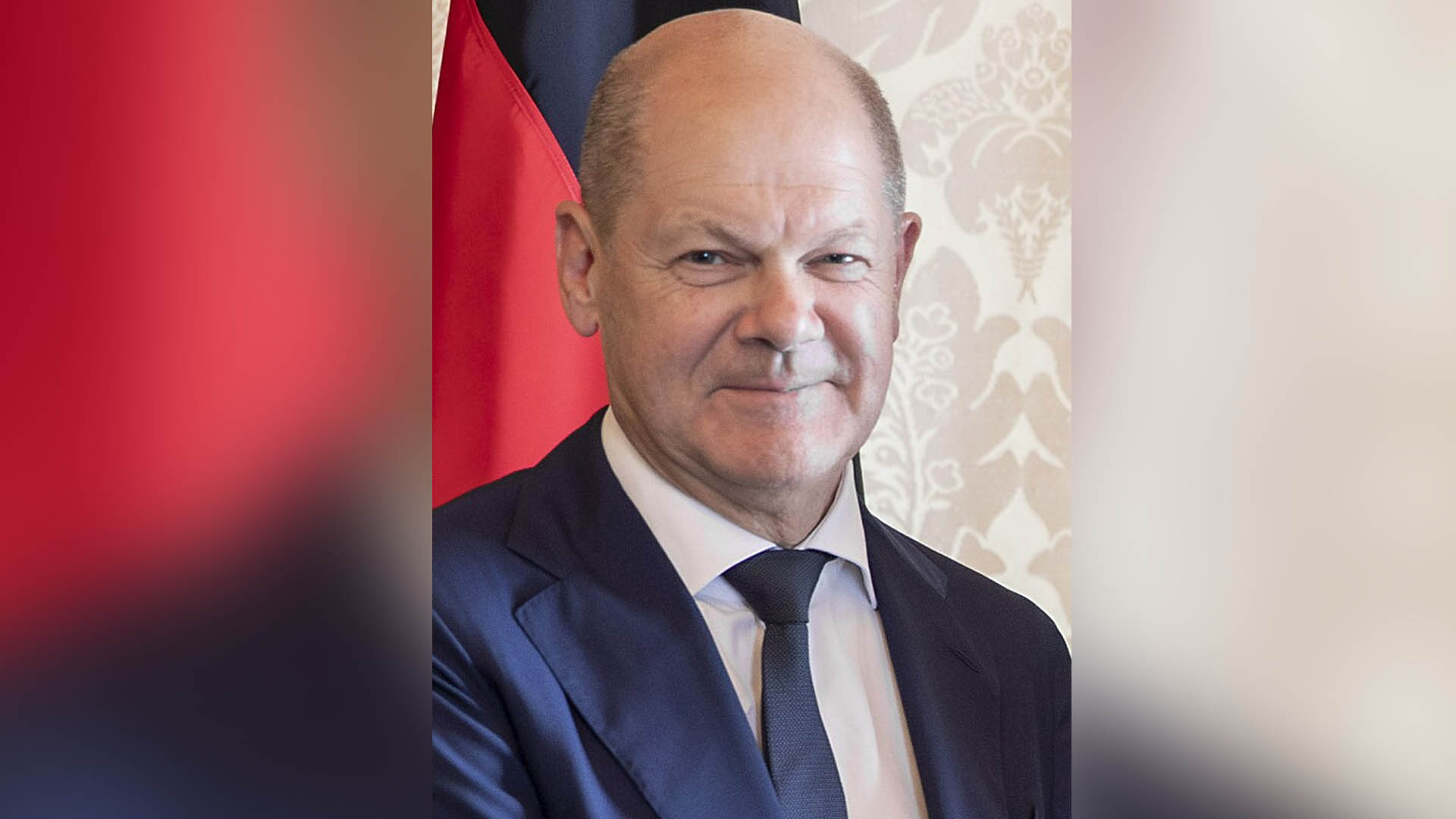
In a firm stance against extremism, German Chancellor Olaf Scholz and probable successor Friedrich Merz, addressed parliament on Tuesday, pledging no collaboration with the far-right before the national elections on February 23. Scholz emphasized, "Never, really never will we make common cause with the extreme right," and criticized Merz for allegedly reneging on his non-cooperation promise after the Alternative for Germany (AfD) supported his recent motion. This move shattered a longstanding taboo against far-right cooperation.
Current polls show the AfD in second place behind Merz's CDU/CSU bloc, which is expected to secure the largest vote share. Meanwhile, the SPD has dropped to 15.5%. Despite these shifts, no major party plans to form a coalition with the AfD, suggesting protracted negotiations post-election.
In response to Scholz, Merz reiterated his rejection of any alignment with the AfD. He accused Scholz's now-defunct three-way coalition, which collapsed in November over budget disputes, of inadvertently bolstering the AfD through policies perceived as defying public sentiment.


 Google News