

Riding the Wave: Russia's Delivery Revolution
Elena and Viktor traded conventional jobs for courier work as Russia's delivery sector soars post-COVID-19, driven by e-commerce. The financial benefits are enticing, surpassing traditional wages. With flexible work and a decent income, many embrace this shift. The trend includes students and entrepreneurs seeking side incomes.
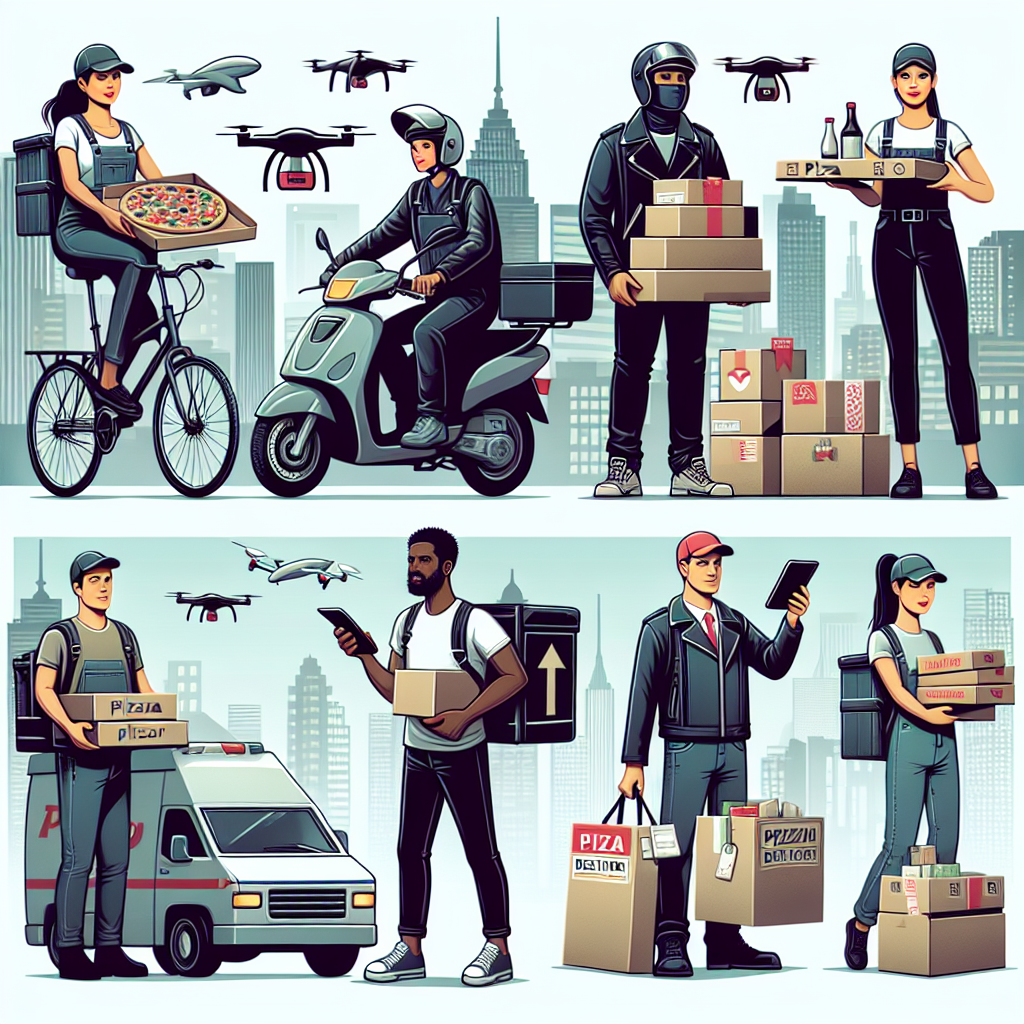
Elena and Viktor's apartment is dominated by vibrant rucksacks and bicycles, embodying their shift from traditional jobs to full-time courier work. The logistics sector in Russia has surged, spurred by e-commerce growth post-COVID-19, with a 2024 market expansion of 34% to 54.4 billion roubles according to Rosstat data.
Kashayedova left her job as a boiler operator to pursue courier work, valuing the financial and personal freedom it provides. "In many regions, courier services pay three to four times more," she shared, noting the appeal of decent earnings without managerial oversight.
The boom in delivery jobs extends beyond traditional workers, drawing students like Polina Kalinichenko and entrepreneurs like Roman Kolesnikov, who manage delivery operations alongside personal endeavors. The evolving market reflects broadened participation and increasing consumer demand.
ALSO READ
-
WTO Sets Up Panel on EU Carbon Border Rules as Russia Challenges Restrictions
-
Hidden Dangerous Goods Spark IATA Call for Stronger Safety Across Air Cargo Chains
-
From Training to Trading: Why Real Customer Demand Could Accelerate SME Digital Transformation
-
Russia’s Reach Beyond Borders Leaves Exiled Critics Living in Fear, UN Expert Warns
-
Ukraine Faces Another Bitter Winter as UN Inquiry Warns of Deepening Civilian Harm


 Google News