

Dube-Ncube to Open Major Infrastructure Projects at University of Venda
The IEG programme — now entering its seventh cycle, pending final approval — has been one of government’s most critical tools for restoring equity in the higher education system.
- Country:
- South Africa
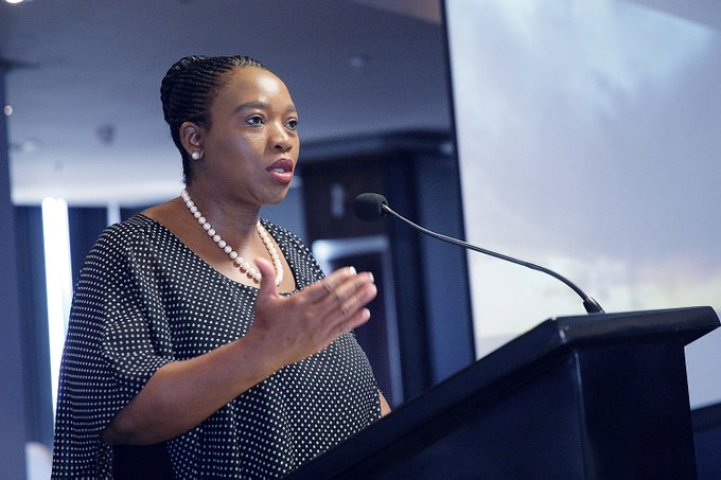
Deputy Minister of Higher Education and Training, Dr Nomusa Dube-Ncube, will on Friday officiate the opening of several major infrastructure developments at the University of Venda (UNIVEN) in Thohoyandou, Limpopo — a significant milestone in government's sustained drive to modernise and strengthen South Africa's public university system.
The projects form part of the Department of Higher Education and Training's (DHET) long-term investment under the Infrastructure and Efficiency Grant (IEG), introduced in 2007/08 to eradicate historical underdevelopment, upgrade outdated facilities and ensure universities can meet modern teaching, learning and research demands.
Billions Invested to Modernise Higher Education
The IEG programme — now entering its seventh cycle, pending final approval — has been one of government's most critical tools for restoring equity in the higher education system. Across cycles 1 to 6, a combined R33.088 billion has been channelled to 24 public universities through the IEG and the National Treasury's Budget Facility for Infrastructure (BFI).
UNIVEN, one of the country's eight Historically Disadvantaged Institutions (HDIs), has received R1.367 billion over this period. This represents 4.13% of the national allocation and reflects a deliberate effort to correct long-standing structural inequalities in higher education access, infrastructure quality and institutional capacity.
In addition to IEG funding, the university is also supported through the Sibusiso Bengu Development Programme (SB-DP), with the institution contributing further resources from its own budget to accelerate development.
New Facilities Strengthen UNIVEN's Academic and Research Capabilities
Friday's official opening marks the completion of several high-impact infrastructure projects that will significantly enhance student access, academic delivery and institutional efficiency. These include:
-
Faculty of Health Sciences Building: A state-of-the-art facility designed to produce more healthcare professionals to serve rural communities in Limpopo and beyond.
-
Punda Maria Road and Bridge Project: A crucial upgrade to campus mobility, safety and access, improving transport flow for students, staff and visitors.
-
Main Administration Building: A modernised hub for governance, student services and institutional operations.
-
Advanced Nursing Science Simulation Building: Equipped with cutting-edge simulation technology to train nurses in real-world scenarios, helping address South Africa's nursing shortage.
These developments align with national goals to strengthen academic infrastructure, expand enrolment, and support high-demand fields such as health sciences, nursing and engineering.
Strengthening HDIs for a Future-Ready Higher Education System
During her visit, Dr Dube-Ncube is expected to meet with UNIVEN leadership to discuss strategies for long-term partnerships aimed at building a smart, accessible and future-ready institution. The discussions will form part of broader efforts to uplift all eight HDIs, ensuring they can compete academically, attract top talent and drive innovation.
Government has repeatedly stressed that infrastructure improvement must go hand-in-hand with enhanced teaching capacity, digital readiness, research support and student well-being.
As South Africa continues its pursuit of a more equitable and globally competitive higher education system, the developments at UNIVEN represent tangible evidence of progress — and a commitment to ensuring that universities serving historically marginalised communities are equipped for the future.
ALSO READ
-
Maldives Moves Towards National Centre to Open Doors for Students and Professionals
-
Deepening Funding Cuts Push Nearly 6 Million Refugee Children Out of School
-
Poltava University Reopens With Safer, Greener Spaces for Nearly 3,000 Campus Users
-
How Students With Motor Disabilities View AI Through Lens of Academic Confidence
-
Beyond Green Promises: What Universities Need to Make Sustainability Part of Learning


 Google News