

The Lost Shtetl: Rekindling Lithuania's Forgotten Jewish Legacy
The Lost Shtetl Museum in Šeduva, Lithuania, opens to commemorate the Jewish community wiped out in WWII. It highlights shtetl life and the Holocaust's impact. The museum is an educational tool, reflecting on history's lessons and Lithuania's complex past surrounding local complicity in the massacre.
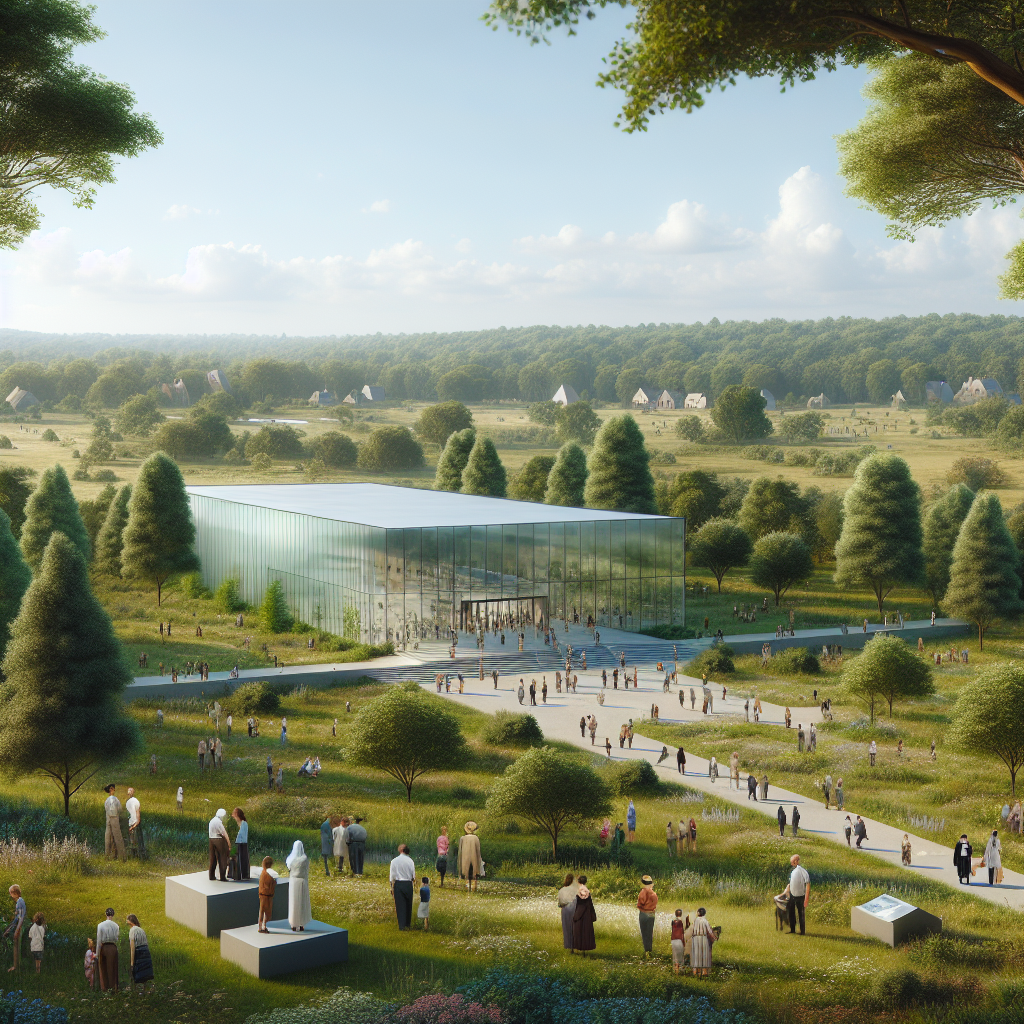
In a quiet corner of Lithuania near Vilnius, the Lost Shtetl Museum opens its doors to spotlight the nearly vanished Jewish community of Šeduva, tragically decimated during World War II. The museum, a symbol of memory and education, addresses the execution of over 600 Jews during a two-day massacre in August 1941.
Amidst revealing local complicity and exploring shtetl life, the museum serves as a poignant educational resource. Designed by Finnish architect Rainer Mahlamäki, the museum exhibits explore aspects of Jewish heritage, from religious practices to social dynamics, using artifacts and witness testimonies.
The initiative underscores the importance of Holocaust education, inviting visitors to reflect on the past's lessons. As Lithuania reckons with its history, the museum stands as a beacon of remembrance and understanding, encouraging meaningful dialogue about one of history's darkest periods.


 Google News