

FACTBOX-EU countries seek deals on laws to fight climate change
European Union countries will attempt to strike deals on a raft of new climate change policies this week, including tougher targets to expand renewable energy and a 2035 end to the sale of new fossil fuel-powered cars. Taken together, the package of laws are designed to deliver the 27-country EU's target of reducing net greenhouse gas emissions by 55% from 1990 levels by 2030.
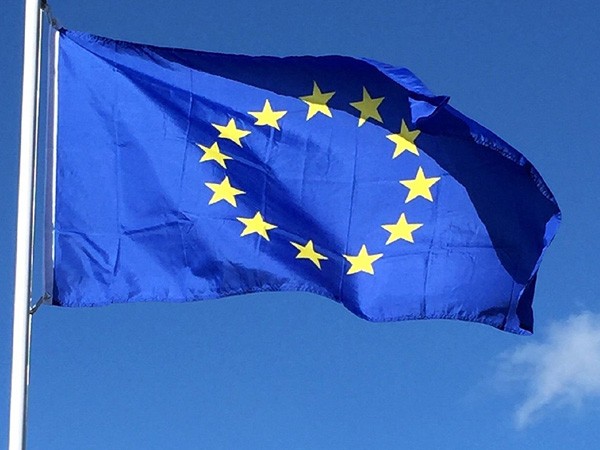
European Union countries will attempt to strike deals on a raft of new climate change policies this week, including tougher targets to expand renewable energy and a 2035 end to the sale of new fossil fuel-powered cars.
Taken together, the package of laws is designed to deliver the 27-country EU's target of reducing net greenhouse gas emissions by 55% from 1990 levels by 2030. Brussels is touting the policies as the key for countries to swap Russian fossil fuels for locally produced green energy. But with countries facing soaring inflation, draft agreements show some may be weaker than the original versions proposed by the European Commission.
What ministers agree will set their position for upcoming negotiations with the EU Parliament to agree on the final laws. RENEWABLES, ENERGY SAVINGS
Energy ministers on Monday agreed on laws on more ambitious targets to expand renewable energy and save more power. Ministers backed targets proposed by Brussels last year to derive 40% of energy from renewable sources and cut consumption by 9% against expected levels by 2030.
Brussels proposed even higher targets last month in a bid to cut reliance on Russian fossil fuels, but ministers approved the original proposals and plan to consider the upgraded versions in later negotiations. Countries weakened other elements of the laws, for example by delaying to 2035 a proposed 2030 target for half of the hydrogen used by industry to come from renewable sources, with a less ambitious 30% goal put forward for 2030 instead, diplomats said.
CARBON MARKET OVERHAUL Environment ministers take up the climate negotiations on Tuesday. Their biggest task is to agree on an upgrade of the EU's carbon market, the bloc's main emissions-cutting policy, which forces industry and power plants to buy CO2 permits when they pollute.
Countries plan to accept core elements of the Commission's proposal - to reduce the market's supply of permits faster each year and phase out free CO2 permits for industries by 2035, according to a draft agreement. They may also back plans to add shipping to the scheme - albeit in 2027, a year later than Brussels proposed - and make it easier for the EU to intervene in the market in response to CO2 price spikes.
NEW CARBON MARKET Among the most divisive proposals is a new EU carbon market imposing CO2 costs on polluting fuels used in buildings and transport.
The scheme has split countries, with Germany among its supporters, while some central and eastern countries worry it could raise household energy bills. Any deal is expected to hinge on whether countries can agree on a new fund using revenues from the scheme to help poorer households switch to clean energy, diplomats said.
A draft compromise proposal, seen by Reuters, would also launch the new market in 2027. The European Commission had proposed 2026. CLEAN CARS BY 2035
Transport produces a quarter of Europe's planet-heating emissions. The EU has proposed a 100% cut in CO2 emissions from new cars by 2035 - effectively banning new combustion engine car sales unless carmakers can transform them to be carbon-free. This proposal is heading for tense talks after Germany's finance minister said last week the EU's biggest car market would not support it. Italy, Portugal, Slovakia, Bulgaria, and Romania also called to delay the phaseout to 2040 and have a 90% car CO2 cut by 2035 instead.
NATIONAL EMISSIONS TARGETS, CARBON SINKS Ministers will also debate upgrades to the national targets Brussels sets to cut emissions in sectors like transport and buildings. They will consider a separate law requiring countries to cultivate forests, and wetlands and improve soil health to store more CO2 in natural "carbon sinks".
ALSO READ
-
Belize Communities Take the Lead in New Push for Jobs, Skills and Stronger Futures
-
Hotter Years, More Cavities? Understanding Link Between Climate and Dental Health
-
Europe’s Rare Earth Wake-Up Call: Turning Years of Research Into Factories That Last
-
Lebanon’s Small Business Owners Build Skills and Market Links With EU and ILO Support
-
Poltava University Reopens With Safer, Greener Spaces for Nearly 3,000 Campus Users


 Google News